10 Common Air Filter Myths Debunked
Key Takeaways
- Understanding air filter myths helps make informed procurement decisions.
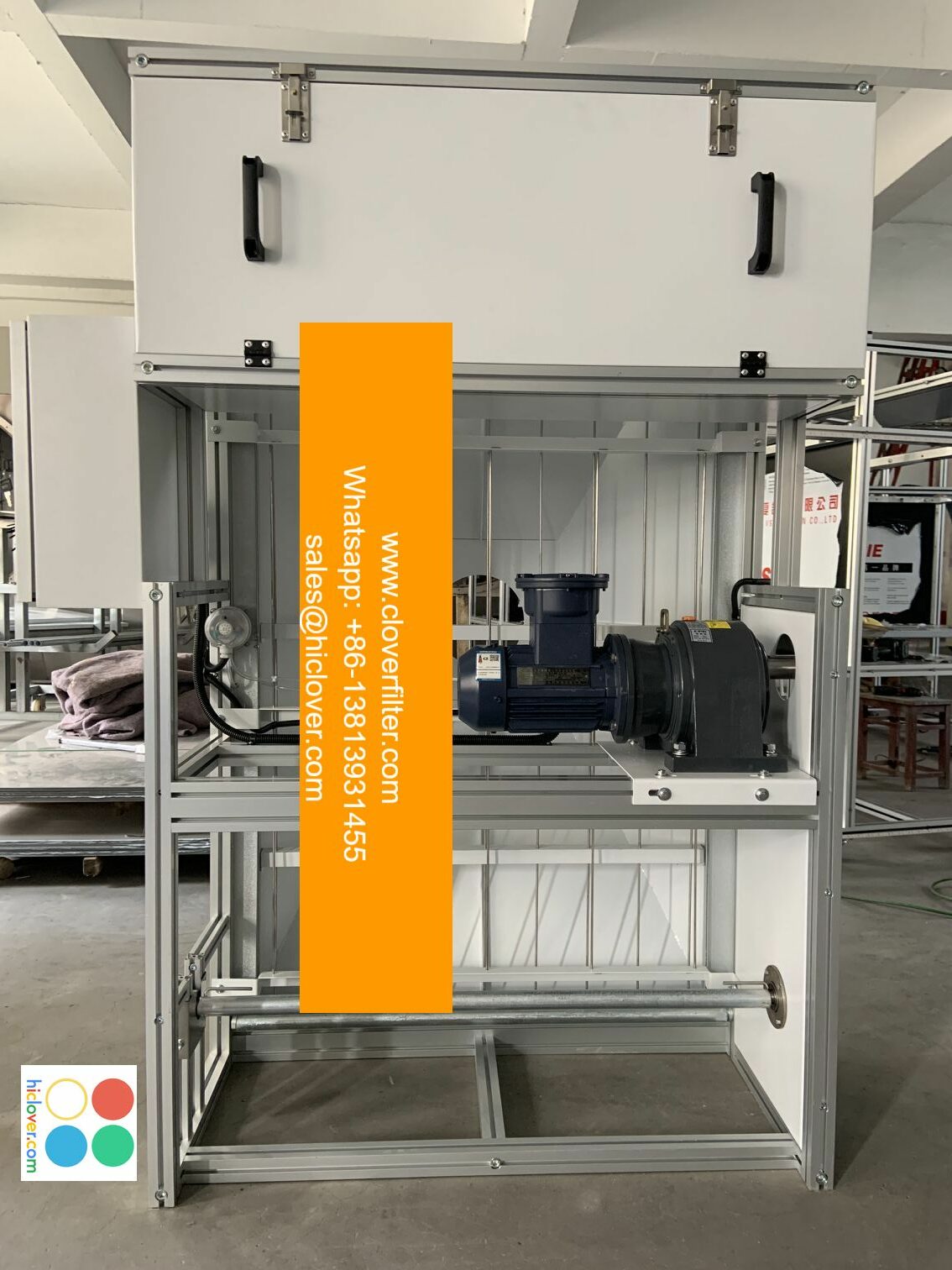
- An Automatic Roll Air Filter offers unique benefits for industrial applications.
- Maintenance reduction and energy savings are critical considerations in choosing filters.
- Common misconceptions can lead to suboptimal air quality management.
- Complying with industry standards ensures effective filtration and energy efficiency.
- Ignoring Specifications: Always assess your airflow and filtration requirements.
- Overlooking Maintenance Requirements: Schedule regular inspections to maintain efficiency.
- Not Considering Filter Type: Each application needs a suitable filter type for optimal results.
- Neglecting to Monitor Pressure Drop: Regular checks on pressure can save costs and improve performance.
- Failing to Train Staff: Ensure operators understand how to manage and maintain the filtration system.
- Choosing Based on Price Alone: Consider long-term implications rather than just up-front costs.
- Mismatched Filters for Space: Make sure the selected filter is sized correctly for the air handling unit (AHU).
-
Data Center: A leading tech company upgraded to an Automatic Roll Air Filter to manage dust and heat load efficiently. The result was a 30% reduction in energy costs associated with cooling systems.
-
Battery Factory: A lithium battery manufacturing plant adopted CloverFilter’s Automatic Roll Air Filter. The controlled particulate from processes improved safety and compliance with industry standards.
-
Paint Shop: A paint manufacturer utilized high-quality filters to capture paint particulates, significantly improving air quality and compliance with emissions standards by implementing Automatic Roll Air Filters.
-
Textile and Steel/Cement Plants: In facilities with high particulate outputs, CloverFilter’s Automatic Roll Air Filters provided consistent air quality control, resulting in notable reductions in product spoilage and machine wear.
- Airflow Range: Ensure compatibility with specific HVAC system requirements.
- Face Velocity: High velocities may require different filter types to minimize pressure drop.
- Media Size: Select adequate width and length for your installation.
- Frame Size: Ensures a secure fit over the air handling system.
- Control Options: Automated systems can enhance operational efficiency.
- Power Supply: Check compatibility with existing electrical systems.
- Installation Location: Filters can be positioned in fresh air intakes, returns, or processes.

Myth 1: All Filters Are the Same
One of the most prevalent misunderstandings is that all air filters perform similarly. In reality, filters come in various types, such as bag filters, panel filters, and V-banks, each suited to different applications. For highly specialized environments, like cleanrooms or battery plants, investing in an Automatic Roll Air Filter from CloverFilter can result in significantly enhanced efficiency and particulate control.
Myth 2: Higher MERV Ratings Always Mean Better Filtration

While a higher MERV (Minimum Efficiency Reporting Value) rating indicates better particulate capture, it doesn’t always translate into optimal performance for all settings. For example, an Automatic Roll Air Filter may balance MERV performance with lower pressure drops, providing effective filtration without overworking your HVAC systems.
Myth 3: Maintenance Is Too Costly
Many believe that the maintenance of advanced air filtration systems, like Automatic Roll Air Filters, is exorbitantly expensive. However, these filters are designed to reduce maintenance efforts through automated roll media advance logic. This means less frequent handling and higher operational uptime, ultimately leading to cost savings.
Myth 4: All Air Filter Videos Show the Same Information
While many air filter videos aim for educational purposes, they can often omit crucial information relevant to specific applications. Choosing the right filter is context-dependent, requiring a focused understanding of airflow range, face velocity, and installation location. CloverFilter provides specific insights tailored to your needs.
Myth 5: Bigger Filters Are Always Better
Contrary to popular belief, a larger filter is not always synonymous with superior performance. The effectiveness of an air filter also hinges on its design and application. The Automatic Roll Air Filter excels in providing reliable service in diverse settings, available in various frame sizes and media dimensions to meet precise requirements.
Myth 6: You Don’t Need to Monitor Filter Differential Pressure
Ignoring differential pressure readings can lead to premature filter replacement and inefficient operation. Regularly monitoring differential pressure, especially with systems like the CloverFilter Automatic Roll Air Filter, allows you to optimize filter changes and maintain the desired airflow, enhancing energy savings and reducing operational costs.
Myth 7: All Filters Are Too Noisy
While some filter types can produce noise during operation, filters like the Automatic Roll Air Filter are designed to minimize sound, ensuring a quieter environment in sensitive applications, such as hospitals and data centers.
Myth 8: Air Filters Don’t Impact Energy Consumption
An advanced air filtration system significantly influences energy efficiency. Filters that create excessive pressure drops require more energy to maintain airflow. The roll media in an Automatic Roll Air Filter helps to limit resistance, facilitating energy savings across HVAC systems.
Myth 9: You Can Use the Same Filter for Every Environment
Each application comes with unique filtration needs; a one-size-fits-all approach rarely yields optimal results. For instance, in lithium battery plants, specialized filters that control specific particulates are essential. The Automatic Roll Air Filter from CloverFilter can be customized to meet different needs, improving air quality and operational safety.
Myth 10: Once Installed, Filters Don’t Need Monitoring
Air filters require regular evaluation post-installation. Proactive monitoring allows facility managers to measure airflow resistance, adjust maintenance schedules, and ensure compliance with relevant standards such as ISO 16890 or MERV.
Common Mistakes & How to Avoid Them
Real-World Scenarios
Selection Guide for Filters
Choosing the right air filter is vital. Here’s a practical guide for procurement managers and facility engineers:
Key Selection Parameters
Comparison Table
| Filter Type | Best Use Case | Maintenance | Pressure Drop Behavior | Operating Cost | Typical Risk/Downside |
|---|---|---|---|---|---|
| Automatic Roll Air Filter | Versatile industrial applications | Low; automated media advance | Low | Moderate; long-term savings | Initial higher investment |
| Bag Filter | General-purpose filtration | Moderate; frequent inspection needed | Moderate | Moderate | Can be bulkier |
| Panel Filter | Residential or light commercial | High; regular replacements needed | High | Low; but frequent costs | Limited efficiency |
| V-bank | High airflow demands | Low; less frequent changes | Moderate | Moderate | Higher space requirement |
For more information about advanced air filtration solutions tailored to your application, visit CloverFilter.
Meta Description: Discover the truth behind common air filter myths to improve procurement decisions. Learn how CloverFilter’s Advanced Roll Air Filter delivers efficiency.
For any specific inquiries on air filtration solutions or to learn more about CloverFilter, reach out through our contact page at CloverFilter.
It looks like you entered “Prompt.” Could you provide more details or specify what kind of prompt you are looking for? Whether it’s a writing prompt, a question, or something else, I’m here to help!
