10 Signs Your Air Filter Needs Immediate Replacement

Key Takeaways:
- Regular air filter maintenance is crucial for optimum air quality.
- Signs of a failing filter include increased energy bills and visible dust accumulation.
- Automatic Roll Air Filters provide efficient air filtration with minimal manual intervention.
- Understanding airflow, pressure drop, and media type is essential for filter selection.
- Compliance with industry standards can enhance air quality assurance.
- Avoid common mistakes to ensure long-term efficiency and performance.
- Airflow Range: Match the filter’s specifications with your system’s airflow requirements.
- Face Velocity: Ensure that the face velocity aligns with operational standards.
- Media Width/Length: Choose a filter size that fits your installation constraints.
- Frame Size: Compatibility with HVAC equipment is crucial for effective sealing and performance.
- Control Options: Evaluate whether you need automated or manual control features.
- Power Supply: Ensure electrical compatibility for models requiring external power.
- Installation Location: Select a filter suitable for fresh air intake, return ducts, or process applications.
- Neglecting Regular Inspections: Schedule regular checks to avoid unforeseen replacements.
- Ignoring MERV Ratings: Choose filters based on operational requirements rather than generic ratings.
- Overstressing HVAC Systems: Don’t push your system beyond its designed capacity due to a clogged filter.
- Wrong Filter Size: Measure correctly to avoid bypass and inefficiencies.
- Inadequate Knowledge of Differential Pressure: Monitor pressure to determine the best time for replacement.
- Using Filters Outside Specifications: Ensure filters are appropriate for the specific systems to prevent damage.
- Failing to Document Maintenance: Keep a log to track filter changes and maintenance schedules.
- Relying Solely on Visuals: Regularly test performance through airflow monitoring.
- Choosing Cost over Quality: Recognize the long-term savings of investing in high-quality filters.
- Neglecting Automation Features: Use automatic filters like the CloverFilter Automatic Roll Air Filter to streamline maintenance.
-
Data Center: A major data center switched to the CloverFilter Automatic Roll Air Filter to enhance airflow and reduce operating costs. The automation feature allowed for maintenance reduction and significantly improved cooling efficiency.
-
Battery Factory: In a lithium battery manufacturing facility, the air quality improved markedly after replacing traditional filters with CloverFilter’s automatic systems, reducing pollutants and enhancing worker safety.
-
Paint Shop: A local paint shop adopted the Automatic Roll Air Filter, which not only improved air intake cleanliness but also minimized overspray contamination, leading to better compliance and reduced waste.
-
Textile/Steel/Cement Plant: Implementing CloverFilter systems in a cement plant resulted in improved particulate control and compliance with industry standards, significantly reducing operational costs related to system downtime.
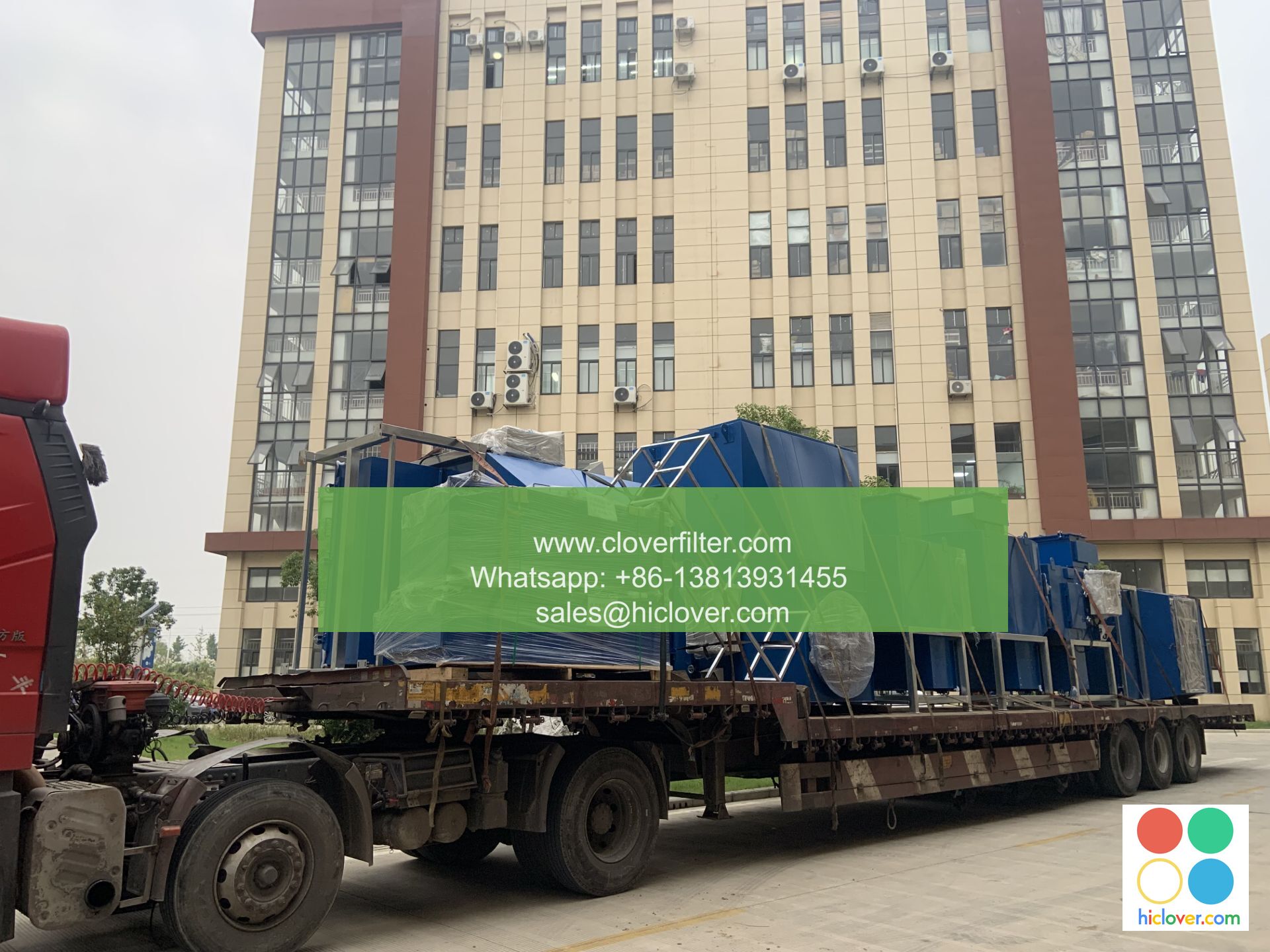
Understanding Automatic Roll Air Filters
An Automatic Roll Air Filter is a sophisticated filtration solution designed to improve air quality in HVAC systems, particularly in demanding environments like factories and cleanrooms. These filters operate using a roll media advance logic, where the filter material is automatically fed as needed, thus optimizing its lifespan and performance. When differential pressure levels indicate reduced airflow or increased resistance, the filter activates its timer mode to replace the used media seamlessly.

These filters are typically installed in the fresh air intake, return ducts, or process air applications. They serve as essential components in systems requiring MERV-rated particulate control, ensuring compliance with standards like ISO 16890.
Signs You Need to Replace Your Air Filter
1. Increased Energy Bills
One of the first indicators that your air filter needs maintenance is a noticeable spike in your energy bills. When air filters clog, HVAC systems work harder, increasing energy consumption.
2. Visible Dust Build-Up
If you can see dust accumulating on surfaces near air vents or in common areas, it’s likely that your air filter is not capturing particulate matter effectively.
3. Unpleasant Odors
Musty or chemical odors emanating from HVAC vents can signal that your air filter has become saturated and is no longer performing its duty.
4. Poor Airflow
If certain areas in your facility experience inconsistent airflow or reduced ventilation, this might indicate that your air filter is clogged and requires replacement.
5. Health Issues Among Employees
In industrial environments, poor air quality can manifest in increased respiratory problems or allergies among employees, often due to ineffective filtering.
6. Visual Inspection Shows Wear
A simple visual inspection can reveal if your air filter appears torn or deteriorated. Damaged filters must be replaced to maintain air quality.
7. Frequent Maintenance Intervals
If you find yourself regularly changing filters more often than recommended, it can indicate that your air filter is not performing efficiently.
8. MERV Rating Decrease
Monitoring the MERV rating of your air filter can help determine when it needs replacement. A drop in its efficiency indicates it’s time for a new filter.
9. Noise from the HVAC System
Unusual sounds from your HVAC system may occur if air filters are clogged, leading to increased strain on system components.
10. Filter Age
If your air filter has surpassed its expected lifespan, it’s time to replace it regardless of its appearance.
Practical Selection Guide for Air Filters
When selecting the correct air filter for your applications, consider the following factors:
Comparison of Filter Types
| Filter Type | Best Use Case | Maintenance | Pressure Drop Behavior | Operating Cost | Typical Risk/Downside |
|---|---|---|---|---|---|
| Automatic Roll Air Filter | High particulate areas | Low due to automation | Steady | Medium | Initial setup cost |
| Bag Filter | General industrial use | Moderate | Variable | Low | Frequent replacements |
| Panel Filter | Light commercial | High | Low | Low | Saturation becomes rapid |
| V-bank Filter | Applications needing low resistance | High | Consistent | Medium | Space requirements |
Common Mistakes & How to Avoid Them
Real-World Scenarios
Frequently Asked Questions (FAQ)
Q1: How do I know what size air filter to purchase?
A1: Measure the duct dimensions and select a filter that fits snugly without gaps.
Q2: What is the typical lifespan of an Automatic Roll Air Filter?
A2: Lifespan varies based on usage and environment; generally, it can last between 6 to 12 months.
Q3: How often should air filters be inspected?
A3: Filters should be inspected monthly, particularly in high-use or particulate-heavy environments.
Q4: Are there maintenance costs with automatic filters?
A4: While automatic filters reduce manual efforts, occasional checks for functionality are still required.
Q5: Can I find the MERV rating for my filter?
A5: The MERV rating will usually be listed in the specific product documentation or can be obtained by request.
Q6: How do I improve the air quality in my facility?
A6: Besides replacing filters, ensure proper ventilation, monitor humidity levels, and regularly clean ducts.
Meta Description: Discover 10 signs that indicate your air filter needs immediate replacement and learn about effective air filter maintenance practices with CloverFilter solutions.
For high-performance air filtration solutions and expert advice, contact CloverFilter at CloverFilter Contact.
It looks like you may want to provide a specific prompt or topic for discussion. Could you please clarify or specify what you’d like to talk about or explore?
