5 Ways Air Filters Can Slash Your Utility Bills
Key Takeaways:
- Air filter cost savings can significantly reduce operational expenses.
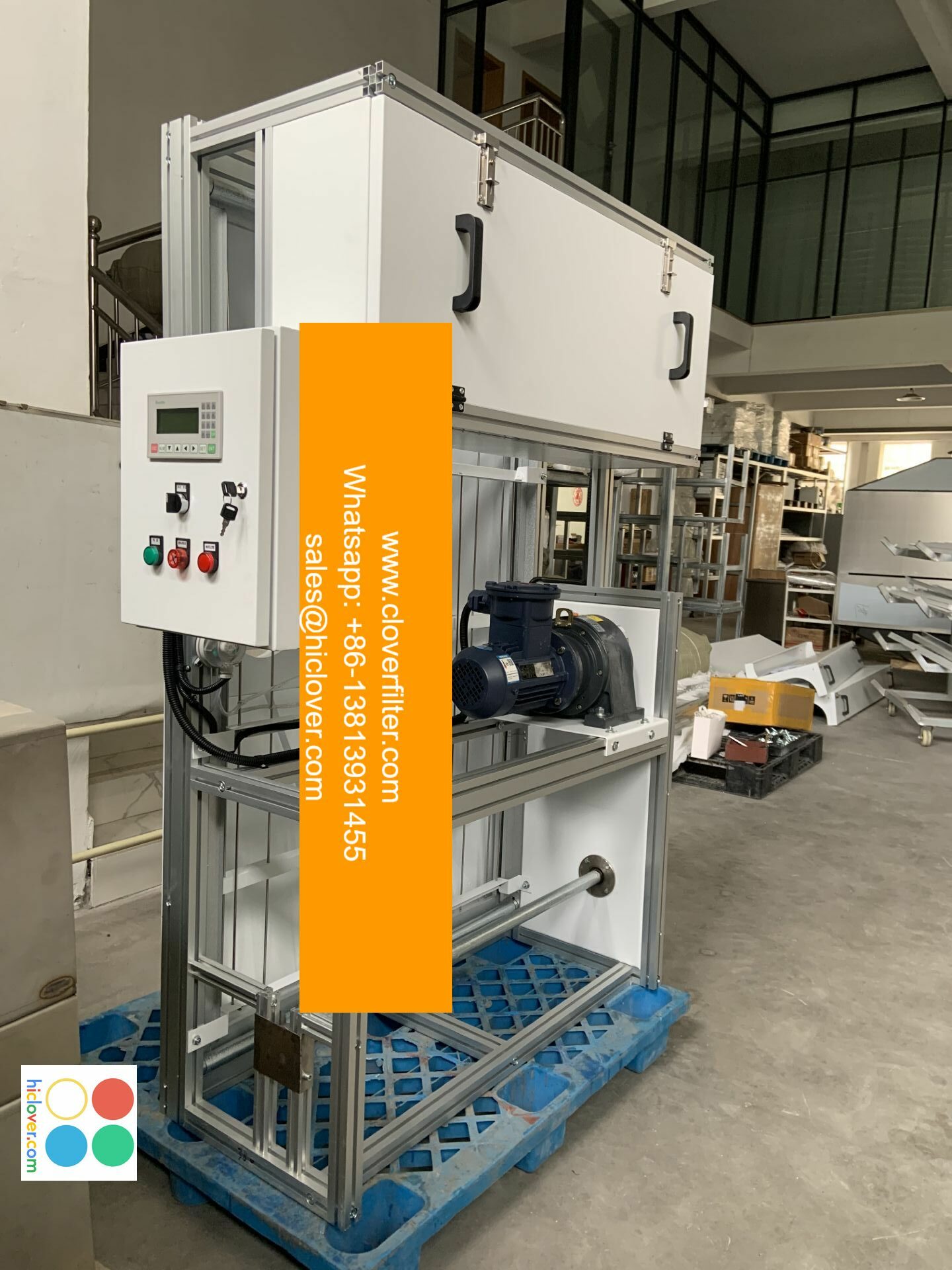
- Automatic Roll Air Filters optimize clean air intake and energy efficiency.
- Regular maintenance cuts down on total energy costs.
- Proper selection of filters enhances effectiveness and longevity.
- Compliance with standards can lead to better performance and savings.
- Airflow Range: Ensure compatibility with your HVAC system’s requirements.
- Face Velocity: Understand the recommended face velocity to optimize airflow.
- Media Width/Length: Choose a size that fits your installation requirements and volume needs.
- Frame Size: Align with existing setups to eliminate additional costs.
- Control Options: Evaluate whether you need manual or automatic control adjustments.
- Power Supply: Ensure compatibility with your available electrical infrastructure.
- Installation Location: Determine if the filter is needed at fresh air intake, return, or process areas.
- Selecting filters without considering the specific airflow needs.
- Neglecting to measure differential pressure regularly.
- Only focusing on initial costs instead of long-term savings.
- Waiting too long to replace filters.
- Using filters without matching MERV ratings to application.
- Overlooking proper installation locations leading to inefficiencies.
- Not training staff on proper filter maintenance and replacement.

Understanding Automatic Roll Air Filters
Automatic Roll Air Filters serve a critical role in maintaining air quality while offering significant air filter cost savings for industrial applications. These filters utilize a roll media system that advances as the filter gets dirty, which is triggered by differential pressure metrics. With a timer mode option, these filters ensure optimal performance by regularly advancing the media to expose clean surfaces, minimizing energy usage and reducing the load on HVAC systems.

In HVAC systems and Air Handling Units (AHUs), this technology filters fresh air intake, improving the overall air quality while maintaining energy efficiency. The ability to manage particulate control with precise monitoring makes Automatic Roll Air Filters a preferred choice for industries needing reliable filtration solutions.
How Air Filter Cost Savings are Achieved
1. Optimized Energy Consumption
When filters are clean, HVAC systems can operate with greater efficiency, consuming less energy. Dirty filters restrict airflow, forcing the system to work harder, which can lead to increased energy costs. An Automated Roll Air Filter can help maintain that crucial cleanliness.
2. Reduced Maintenance Needs
Regular upkeep of air filters is essential. Automatic Roll Air Filters minimize maintenance efforts by replacing only the media deemed necessary when the differential pressure indicates it’s time for a change, ensuring consistent performance with reduced labor.
3. Recirculation Efficiency
Utilizing filters that are designed for specific airflow ranges — such as those offered by CloverFilter — can enhance recirculation efficiency. This is particularly important in environments like cleanrooms and data centers, where controlled airflow is vital.
4. Longevity of HVAC Equipment
Using high-quality filters can extend the lifespan of HVAC equipment by alleviating strain from pollutants. Air filters that effectively manage particulate control offer peace of mind and decrease the frequency of replacements.
5. Compliance Leads to Financial Benefits
Maintaining compliance with industry standards such as ISO 16890 and MERV ratings ensures that your filtration system is effective, which can also result in lower insurance premiums and operational costs.
Practical Selection Guide for Automatic Roll Air Filters
Selecting the correct Automatic Roll Air Filter requires understanding key specifications. Here’s a simple guide:
Comparison Table: Filter Types
| Type | Best Use Case | Maintenance | Pressure Drop Behavior | Operating Cost | Typical Risk/Downside |
|---|---|---|---|---|---|
| Automatic Roll Air Filter | Variable flow systems | Low | Consistent, minimal | Low | Initial investment higher |
| Bag Filter | High dust loads | Moderate | Moderate | Moderate to high | Potential for tearing |
| Panel Filter | General applications | High | Variable, can be high | Moderate | Short lifespan |
| V-bank | Industrial applications | Variable | High | Moderate | Space-consuming |
Common Mistakes & How to Avoid Them
Real-World Scenarios
Data Center Efficiency Improvement
In a data center, using Automatic Roll Air Filters reduced energy costs by 25% while maintaining strict humidity and temperature control. The implementation allowed for tighter control of particulate contamination, leading to significantly longer equipment lifespans.
Lithium Battery Factory Quality Control
At a lithium battery manufacturing facility, installing CloverFilter’s Automatic Roll Air Filters improved air quality, leading to better product output. The company noted a decrease in maintenance time by 30%, contributing to substantial operational savings.
Paint Shop Cleanliness Management
A paint shop transitioned to Automatic Roll Air Filters and experienced 40% less overspray waste. The reduced strain on HVAC equipment resulted in a notable drop in energy costs, while enhanced filtration improved paint application quality.
Textile Mill Air Quality
In a textile mill, implementing an Automatic Roll Air Filter system led to improved workplace air efficiency, yielding a 15% reduction in energy bills. Enhanced air quality contributed to better worker health and productivity.
FAQ Section
Q1: How often should I replace my air filters?
A1: It varies by application, but regular monitoring of differential pressure can inform you when to replace them.
Q2: What MERV rating is ideal for industrial applications?
A2: Generally, a MERV rating between 8 and 13 meets most industrial filtration needs.
Q3: Can Automatic Roll Air Filters handle high dust loads?
A3: Yes, they are designed for variable flow systems and can manage significant dust loads effectively.
Q4: What is the impact of dirty filters on HVAC performance?
A4: Dirty filters restrict airflow, forcing the HVAC system to consume more energy.
Q5: Are CloverFilter products compliant with air quality standards?
A5: CloverFilter products are designed to meet industry standards, with compliance details available upon request.
Q6: How do I select the right filter type for my facility?
A6: Consider factors like airflow requirements, pressure drop behavior, and operational cost.
Conclusion
Investing in the right air filtration solution — like the Automatic Roll Air Filter from CloverFilter — directly leads to air filter cost savings and enhanced energy efficiency. By optimizing air quality management in your facility, you not only reduce utility bills but also bolster operational performance. For personalized consultation on filter selection and installation, visit CloverFilter or reach out through our contact page.
Meta Description: Discover 5 ways air filters can reduce utility bills through effective filtration strategies and learn about CloverFilter’s Automatic Roll Air Filters.
For more information on how CloverFilter can enhance your air quality solutions, contact us at CloverFilter.
It looks like you might have a specific request or topic in mind! Could you please provide more details or clarify what you’re looking for? Whether it’s a writing prompt, a question, or something else, I’d be happy to help!
