Understanding Your Air Filter Distribution Options: A Beginner’s Guide
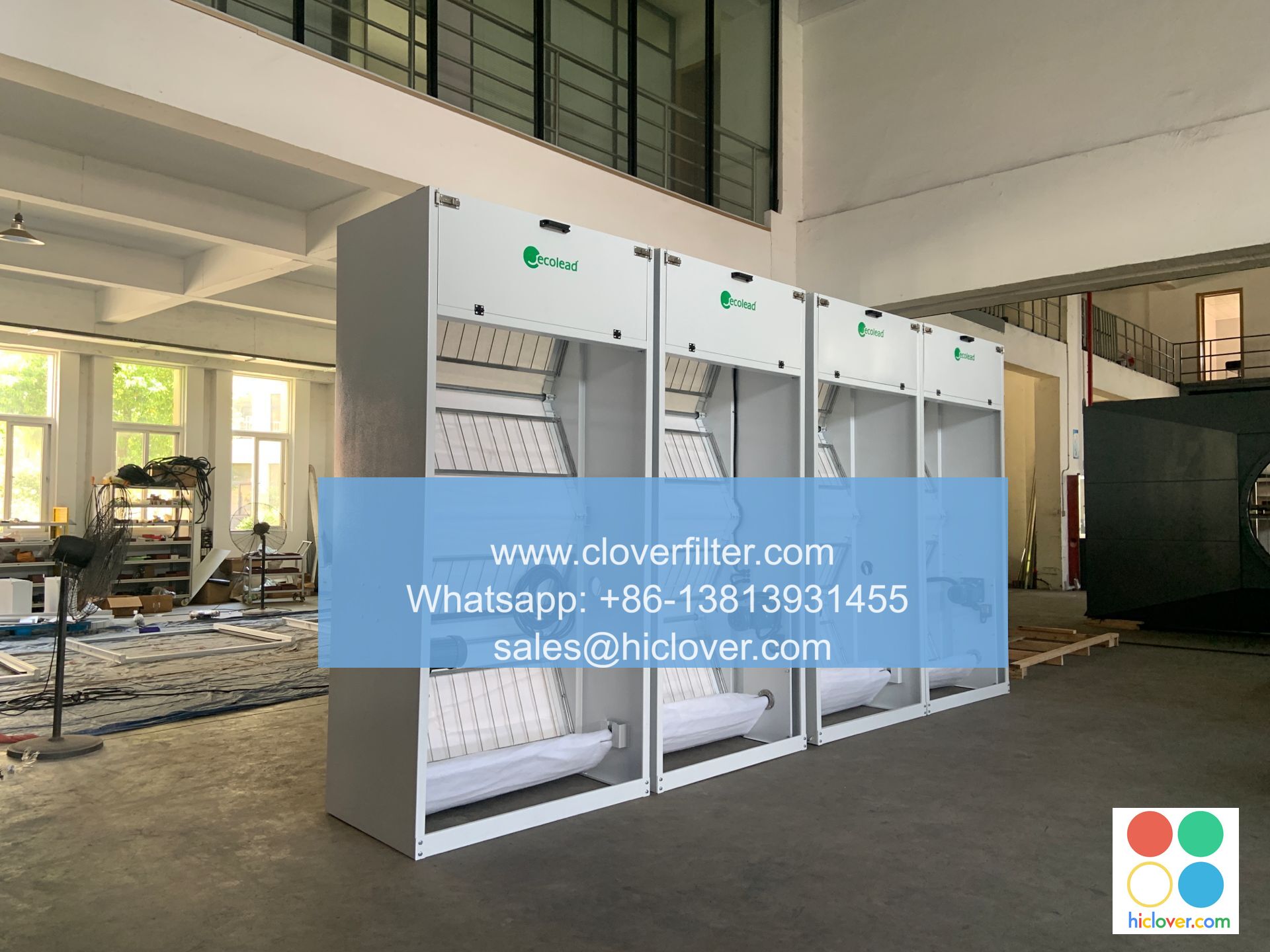
Understanding Your Air Filter Distribution Options: A Beginner’s Guide
What are Air Filters?

Air filters are devices that purify the air we breathe by removing impurities, allergens, and pollutants. They are an essential component in various industries, including industrial, commercial, and residential settings. With so many air filter options available, it can be overwhelming to choose the right one for your specific needs. In this article, we’ll break down the different types of air filter distribution options to help you make an informed decision.
Types of Air Filter Distribution Options
1. In-Duct Air Filters
In-duct air filters are designed to be installed directly into the ductwork of your HVAC system. They are typically rectangular in shape and have a rectangular opening that allows air to flow through. In-duct filters are available in various sizes and are often used in commercial and industrial settings.
2. Box-Style Air Filters

Box-style air filters are designed to be installed in a rectangular casing that fits into your HVAC system. They have a rectangular opening and are often used in residential and commercial applications.
3. Panel-Style Air Filters
Panel-style air filters are designed to be installed in the return air ducts of your HVAC system. They are typically flat and rectangular in shape and are often used in residential and commercial applications.
4. MERV Air Filters
MERV (Minimum Efficiency Reporting Value) air filters are a type of air filter that is designed to capture particles as small as 3-10 microns. They are often used in commercial and industrial settings where strict air quality standards are required.
5. HEPA Air Filters
HEPA (High Efficiency Particulate Air) air filters are designed to capture particles as small as 0.3 microns. They are often used in residential and commercial applications where high air quality is essential.
Key Considerations for Choosing the Right Air Filter
- CADR (Clean Air Delivery Rate): Look for filters with a high CADR rating for improved air quality.
- MERV Rating: Consider the MERV rating for residential or commercial applications.
- Filter Material: Choose filters made from high-quality materials, such as fiberglass or activated carbon.
- Maintenance: Choose filters that are easy to clean and maintain.
Common Applications for Air Filters
- Residential Homes: In-duct, box-style, and panel-style air filters are often used in residential homes to improve indoor air quality.
- Commercial Buildings: MERV and HEPA air filters are often used in commercial buildings to maintain high air quality and meet strict air quality standards.
- Industrial Settings: HEPA and MERV air filters are often used in industrial settings to capture large amounts of particulate matter and improve air quality.
Conclusion
Choosing the right air filter distribution option depends on the specific needs of your home, office, or industrial setting. By understanding the different types of air filter distribution options, CADR, MERV rating, filter material, and maintenance requirements, you can make an informed decision and improve indoor air quality. Whether you’re a homeowner, business owner, or facility manager, investing in the right air filter can have a significant impact on your health, productivity, and environment.
It seems you’re trying to start a conversation! I’m here to listen and help with any questions or topics you’d like to discuss. What’s on your mind? A specific topic you’d like to explore, or just a light conversation?
