Advanced Air Filter Designs for Improved Particle Capture
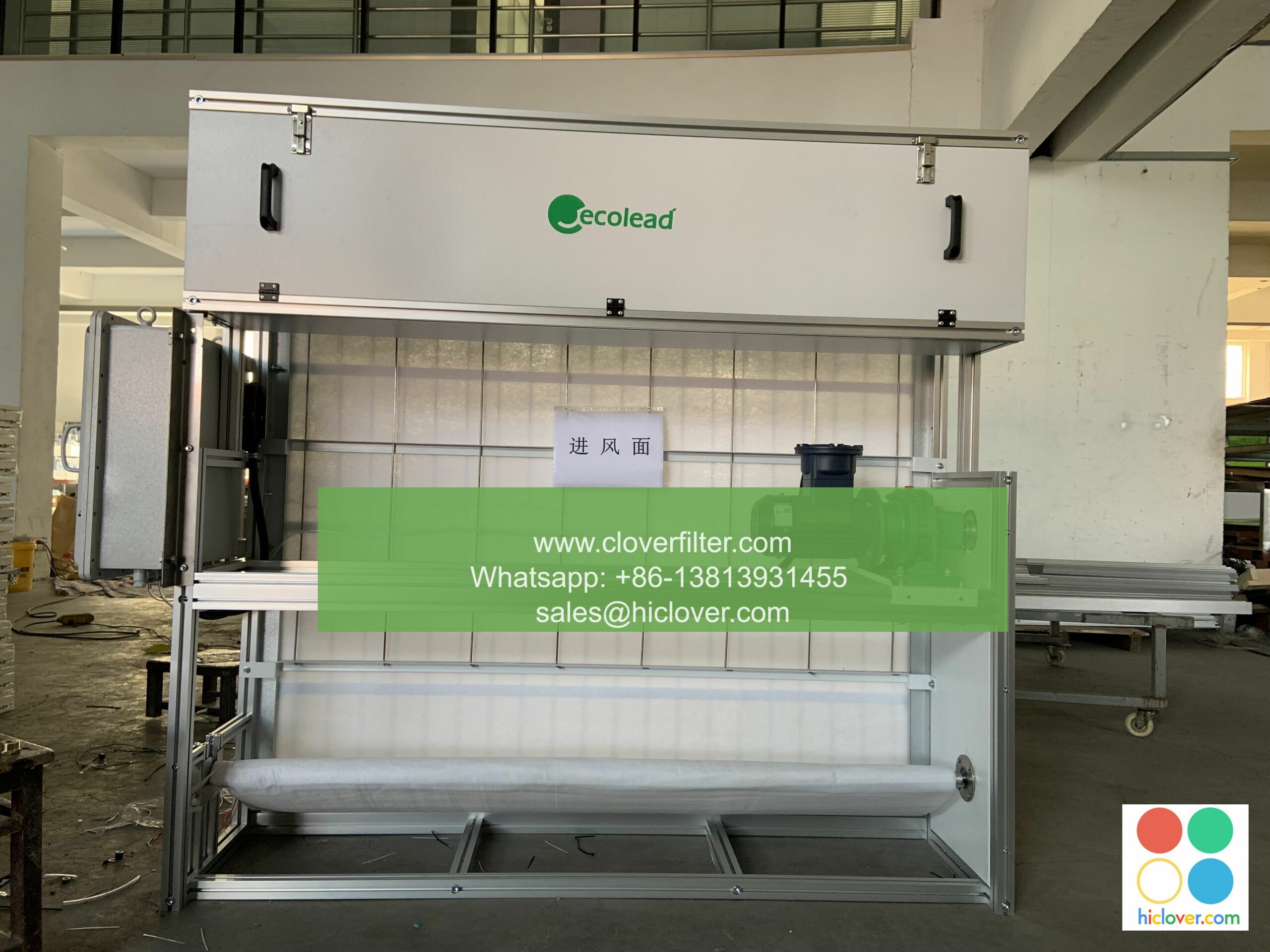
Advanced Air Filter Designs for Improved Particle Capture: Boosting Efficiency and Sustainability
Introduction
Air filters play a crucial role in ensuring the quality of air we breathe, both in our homes and in industries. Traditional air filters have been effective but have limitations in terms of particle capture efficiency and replacement frequency. Advanced air filter designs have emerged as a solution to address these issues, offering improved performance, sustainability, and energy efficiency. In this article, we’ll explore the latest advancements in air filter technology, highlighting key features, benefits, and application areas.

The Need for Advanced Air Filter Designs
Conventional air filters, such as fiberglass and polyester-based filters, have been dominant in the market. However, they have limitations:
- Inadequate particle capture efficiency (up to 20-30% of particles remain unfiltered)
- High maintenance and replacement frequency (every 1-3 months)
- Low air flow rates (little air volume can pass through)
- Modified fiber structures, such as nanofiber and microfiber, offer superior particle capture efficiency (up to 99.97% of particles 0.3 microns or larger)
- Activated carbon and zeolite enhance oil and gas absorption, reducing filter replacement frequency
- Electrostatic precipitation grabs particles using electrostatic charges
- Washable and reusable filters reduce waste and replacement costs
- Incremental filtration: Gradual changes in pore size and structure to capture a wider range of particles
- Multiple stage filtration: Sequential filtration to target different types of contaminants (e.g., dust, pollen, and bacteria)
- Smart sensors: Integrated sensors monitor filter condition, air quality, and filter replacement needs
- Commercial and residential HVAC systems: Improve indoor air quality and reduce energy consumption
- Industrial manufacturing: Enhance particulate matter removal, reduce maintenance intervals, and boost production
- Medical and biopharmaceutical: Ensure aseptic environments, precision, and reduced contamination
- Aerospace and commercial aerospace: Meet stringent particulate matter removal requirements
- Reducing waste: Washable and reusable filters minimize replacement costs and waste generation
- Energy efficiency: Improved air flow rates and lower replacement frequencies decrease energy consumption
- Minimal environmental impact: Reduced material usage and extended filter lifespan minimize environmental footprint

Advantages of Advanced Air Filters
Advanced air filters utilize innovative materials and designs to overcome these limitations:
Key Features and Design Elements
Advanced air filter designs incorporate the following features to enhance performance:
Application Areas
Advanced air filter designs cater to various industries, including:
Sustainability Benefits
Advanced air filter designs contribute to a more sustainable future by:
Conclusion
Advanced air filter designs offer a significant leap forward in terms of particle capture efficiency, sustainability, and energy efficiency. As the demand for cleaner air grows, these innovative filters become increasingly important for industries and individuals alike. By adopting advanced air filter solutions, we can enjoy a healthier, safer, and more sustainable environment for generations to come.
I’m here to help! It seems like you’re looking for something, but I’m not quite sure what. Would you like to ask me a question, give me a task, or maybe chat about a particular topic?
