Understanding Energy Star Certified Air Filters

Understanding Energy Star Certified Air Filters: A Guide to Energy-Efficient Indoor Air Quality
Indoor air pollution is a growing concern, and it’s not just limited to outdoor pollutants. Indoor air quality is significantly affected by the circulating air, and that’s where air filters come in. Energy Star certified air filters are designed to improve indoor air quality while reducing energy consumption. In this article, we’ll delve into the world of Energy Star certified air filters, explaining what they are, how they work, and their applications.
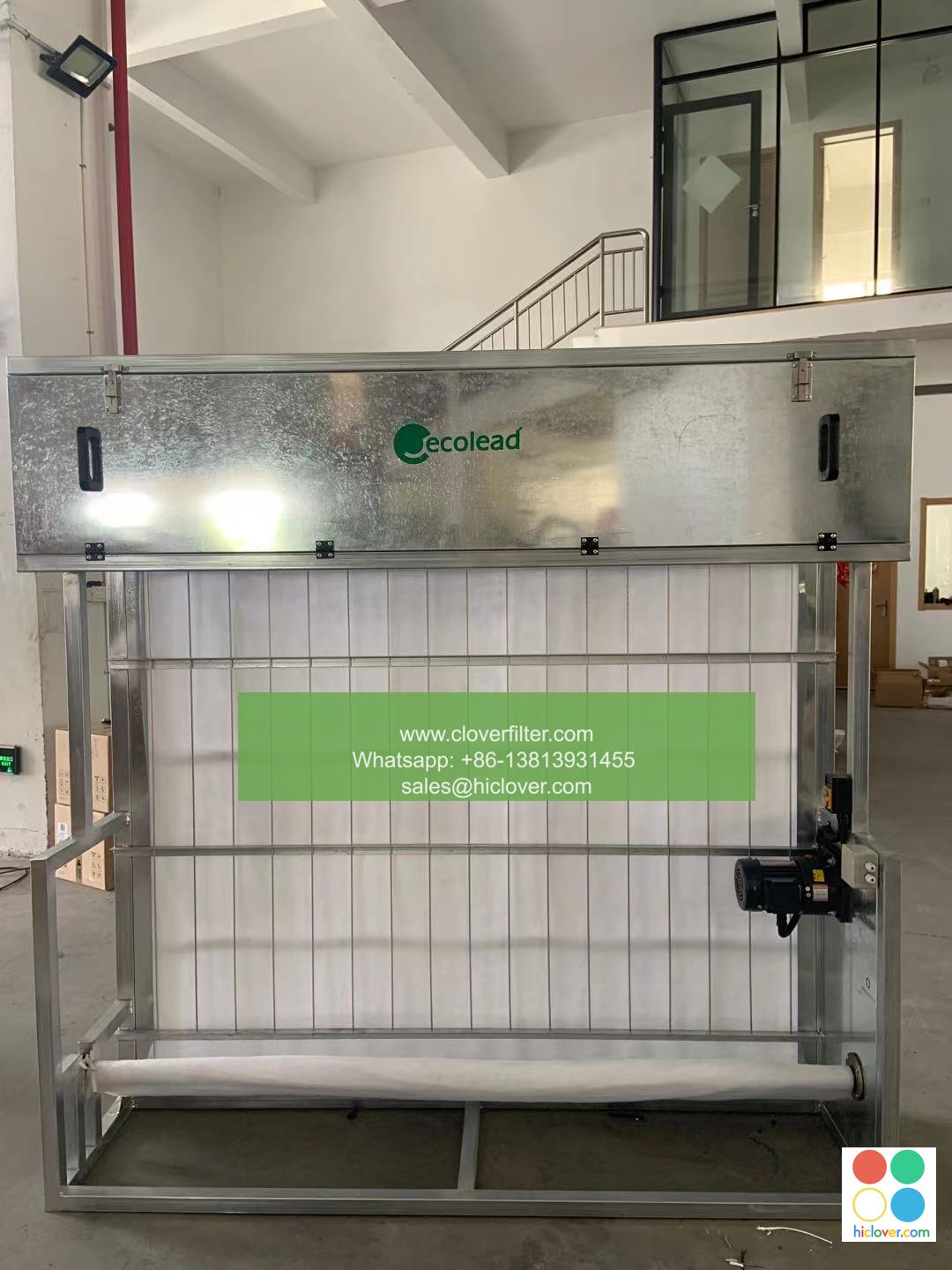
What is an Energy Star Certified Air Filter?
Energy Star certified air filters are designed to meet energy efficiency standards set by the U.S. Environmental Protection Agency. These filters are designed to filter out 90% of particles as small as 0.3 microns, including dust, pollen, and other airborne pollutants. Energy Star certified air filters are also designed to minimize air resistance, ensuring maximum airflow and energy efficiency.
How do Energy Star Certified Air Filters Work?
Energy Star certified air filters work by using a unique combination of technologies to capture pollutants while minimizing air resistance. These filters typically consist of a pleated or electrostatically charged media that captures pollutants as air passes through.
Key Benefits of Energy Star Certified Air Filters
- Improved Indoor Air Quality: Energy Star certified air filters capture 90% of particles as small as 0.3 microns, ensuring cleaner and healthier indoor air.
- Energy Efficiency: Energy Star certified air filters are designed to minimize air resistance, reducing the energy required to power air circulation systems.
- Longer Filter Life: Energy Star certified air filters are designed to capture pollutants more effectively, extending the life of the filter and reducing maintenance costs.
- Residential Buildings: Energy Star certified air filters are ideal for residential buildings, where indoor air quality is a top priority.
- Commercial Buildings: Commercial buildings, such as offices and shopping centers, can benefit from Energy Star certified air filters to improve indoor air quality and energy efficiency.
- Industrial Settings: Industrial settings, such as factories and warehouses, can use Energy Star certified air filters to capture pollutants and improve indoor air quality.
- Healthcare Facilities: Healthcare facilities, such as hospitals and clinics, require high-quality air filters to minimize the risk of airborne pathogens.
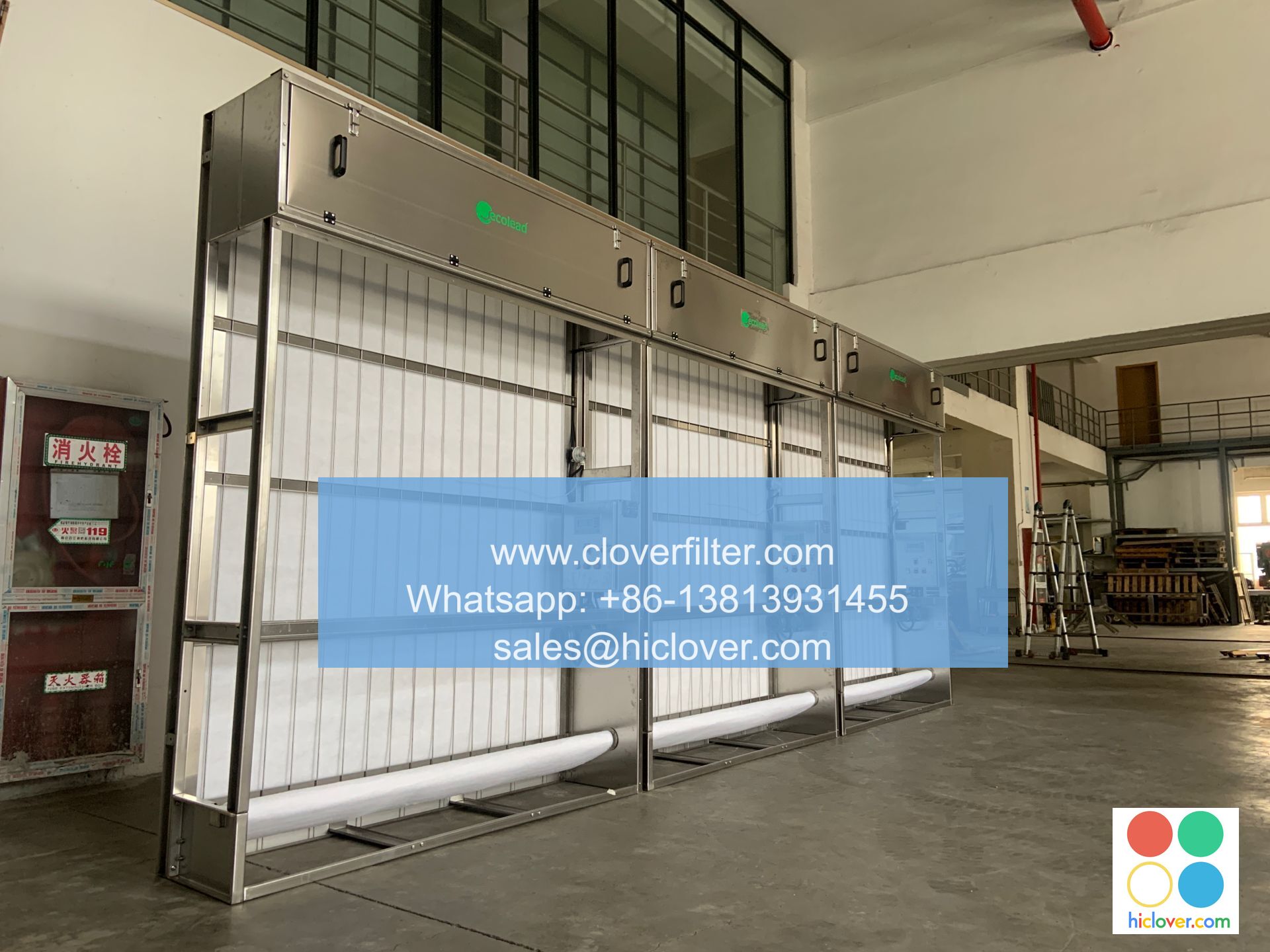
Application Areas for Energy Star Certified Air Filters
In conclusion, Energy Star certified air filters are designed to improve indoor air quality while reducing energy consumption. By capturing 90% of particles as small as 0.3 microns, Energy Star certified air filters provide a comprehensive solution for improving indoor air quality. With their unique combination of technologies and benefits, Energy Star certified air filters are an essential component for any building, regardless of its size or usage.
I’d be happy to help with a prompt! What would you like to talk about or generate?
