Tips for Replacing Your Air Filter Contacts Correctly
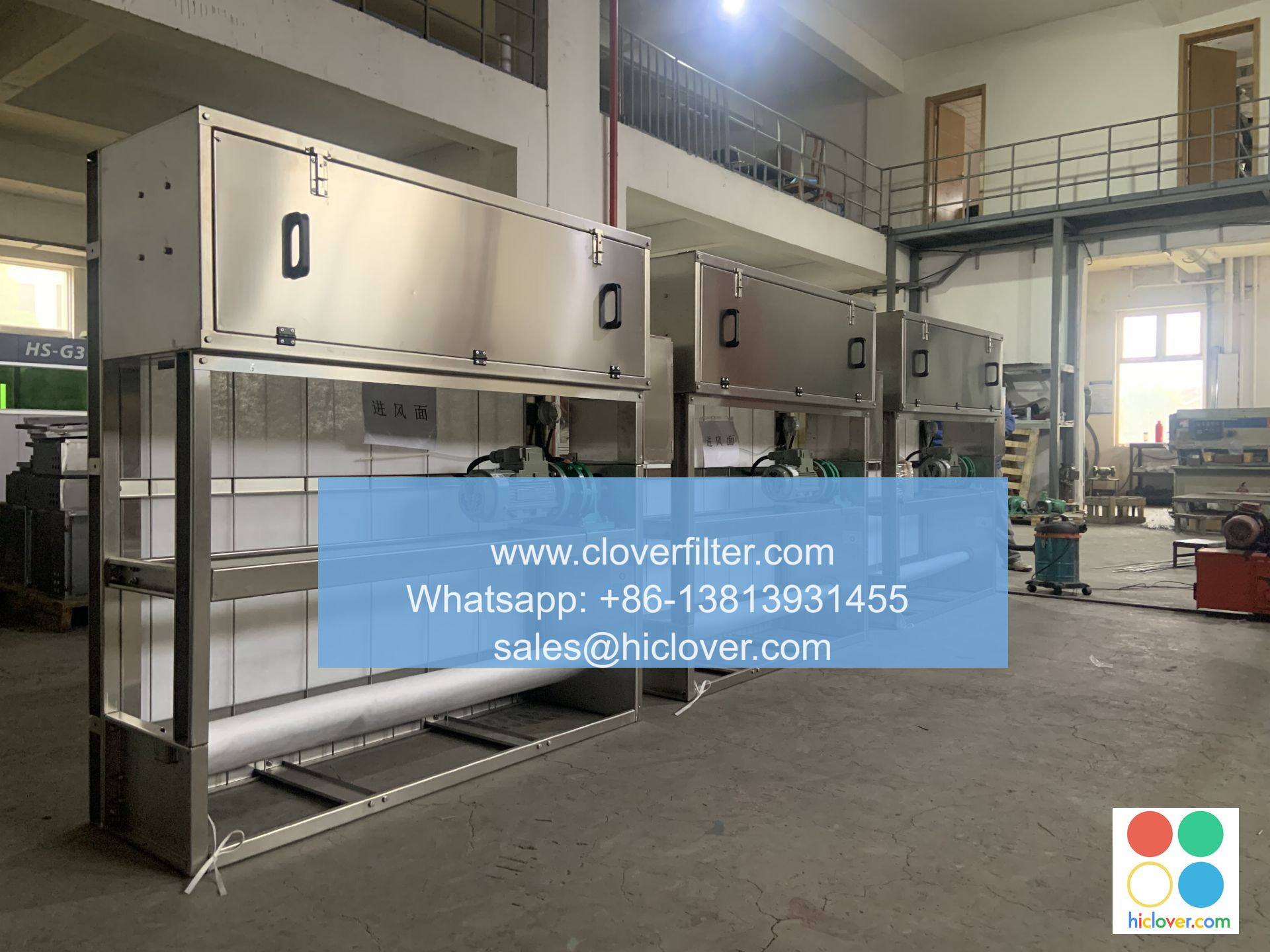
Understanding the Importance of Correct Air Filter Maintenance
Proper air filter replacement is crucial for maintaining a healthy and safe indoor environment. Regular replacement of air filters can help remove pollutants, allergens, and other debris from the air, improving indoor air quality and reducing the risk of respiratory problems. However, replacing air filters incorrectly can lead to decreased effectiveness, reduced airflow, and even damage to your HVAC system. In this article, we will provide tips for replacing your air filter contacts correctly, highlighting various application areas and emphasizing the importance of correct maintenance.
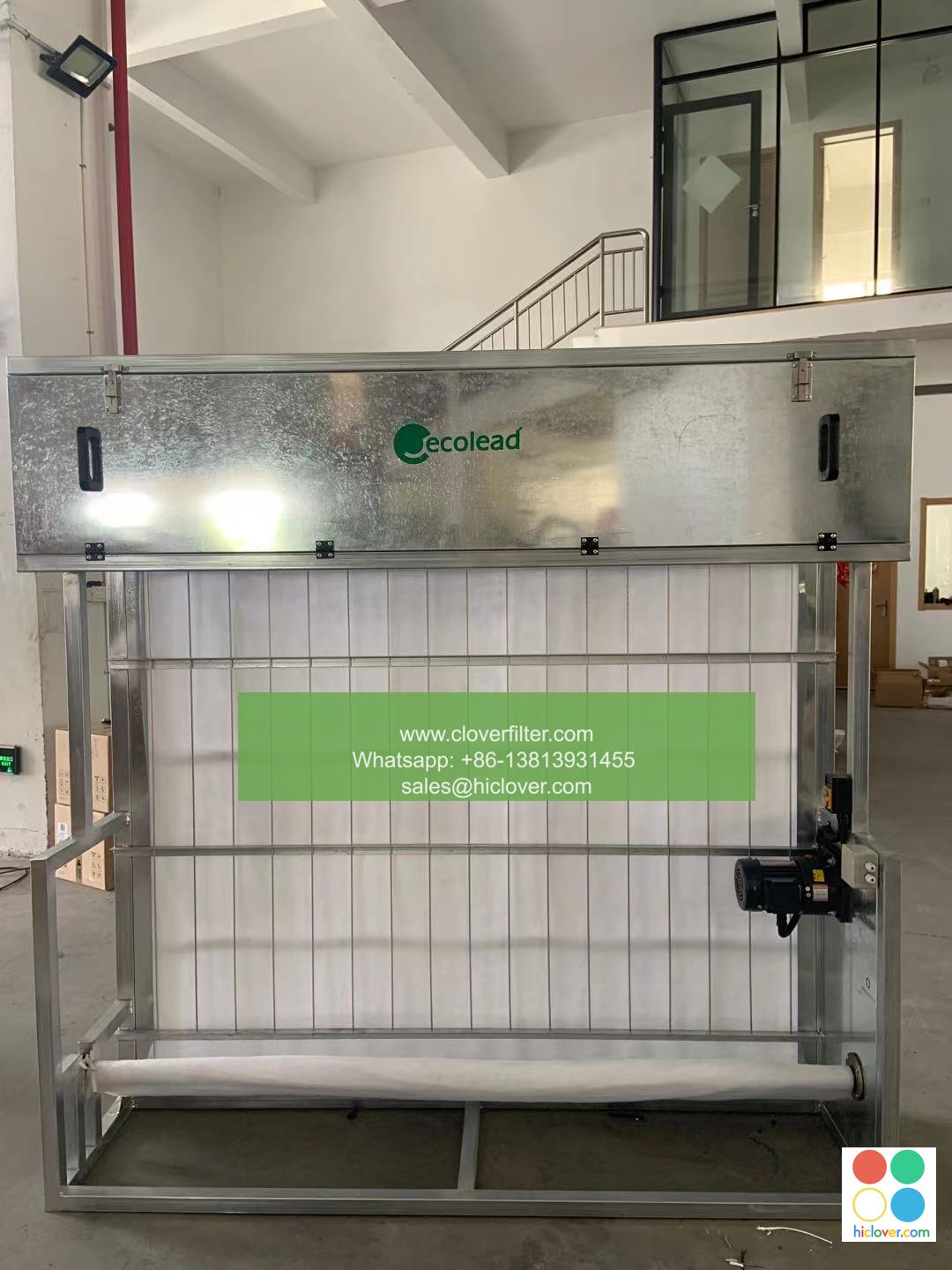
Choosing the Right Air Filter
Before replacing your air filter, it’s essential to choose the right one for your specific needs. Consider the following factors when selecting an air filter:
- Room Size and Airflow: Choose a filter with the correct MERV rating for your room size and airflow needs.
- Indoor Air Quality: Select a filter designed for improving indoor air quality, such as a HEPA filter.
- Pet Owners: Consider a filter with an antimicrobial coating to reduce pet dander and odors.
- Allergy Sufferers: Choose a filter with a high MERV rating to capture 99.97% of particles as small as 0.3 microns.
- Check Filter Condition: Regularly inspect your air filter for visible signs of damage, such as tears or holes, and replace it if necessary.
- Clean Filter Housings: Periodically clean the filter housing to maintain airflow and prevent damage.
- Replace Filters Frequently: Replace filters every 1-3 months, depending on usage and recommendations from the manufacturer.
- Residential Properties: Replace air filters every 1-3 months, especially in homes with pets or smokers.
- Commercial Properties: Replace air filters every 1-3 months, or as recommended by the manufacturer, to ensure optimal indoor air quality and reduce energy costs.
- Industrial Settings: Replace air filters every 1-3 months, or as recommended by the manufacturer, to maintain safe working conditions and reduce downtime due to equipment failure.
- [Downloadable PDF]: Air Filter Replacement Guide
- [Infographic]: Correct Air Filter Replacement Techniques
- [Blog Post]: The Importance of Air Filter Maintenance for Improved Indoor Air Quality
Replacing Your Air Filter
Replacing your air filter is a straightforward process that requires some basic tools and attention to detail.
Step 1: Turn Off the Power
Before starting the replacement process, turn off the power to the HVAC system at the circuit breaker or fuse box. This will ensure your safety while working on the system.
Step 2: Locate the Filter
Find the air filter housing in your HVAC system, which is usually located in the return air duct or near the furnace. Remove any screws, clips, or latches holding the housing in place.
Step 3: Remove the Old Filter
Carefully pull out the old filter and take note of its orientation and any tabs or notches. Take a photo or make a diagram to reference for reinstallation.
Step 4: Inspect the Filter Housing
Inspect the filter housing for any dirt, debris, or dust buildup. Clean the housing with a soft brush or cloth to ensure smooth airflow.
Step 5: Install the New Filter
Insert the new filter, ensuring it’s properly seated and aligned with any tabs or notches. Make sure it’s not twisted or bent, which can reduce airflow.
Step 6: Replace the Filter Housing
Reattach the filter housing, ensuring it’s securely fastened with screws, clips, or latches. Turn on the power to the HVAC system at the circuit breaker or fuse box.
Additional Tips and Considerations
Air Filter Replacement in Different Applications
Conclusion
Replacing your air filter correctly is crucial for maintaining a healthy and safe indoor environment. By following these tips and considering your specific application area, you can ensure optimal air quality, reduce energy costs, and prolong the life of your HVAC system. Remember to choose the right air filter for your needs, inspect the filter housing regularly, and replace filters frequently to maintain a breathable and healthy indoor space.
Additional Resources
I’m here to help! What would you like to talk about or what would you like me to help you with?
