How to Check the Compatibility of Your Air Filter
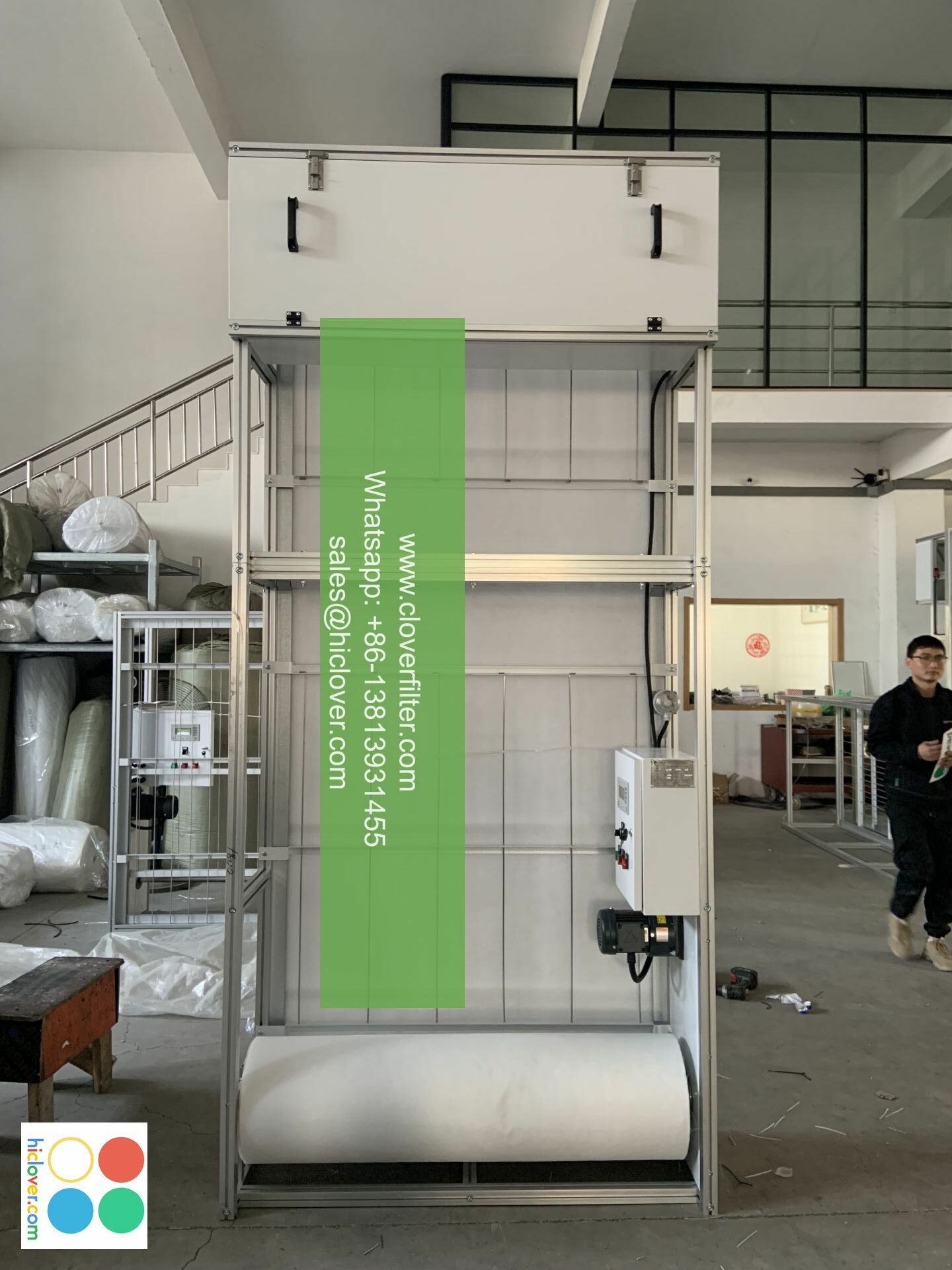
Ensuring the compatibility of your air filter is crucial for maintaining the indoor air quality, heating, ventilation, and air conditioning (HVAC) system efficiency, and overall energy efficiency of your home or building. In this article, we will guide you through the process of checking the compatibility of your air filter, highlighting various application areas and key considerations.
Understanding Air Filter Types and Sizes
Before checking the compatibility of your air filter, it’s essential to understand the different types and sizes available. Air filter types include HEPA filters, activated carbon filters, pleated filters, and electrostatic filters, each designed for specific air purification applications. Air filter sizes vary, and it’s crucial to choose a filter that fits your air handling unit or HVAC system to ensure optimal performance and energy efficiency.
Checking Air Filter Compatibility
To check the compatibility of your air filter, follow these steps:
* Check the filter size: Ensure the air filter is the correct size for your air handling unit or HVAC system. You can find the filter size on the manufacturer’s website or in the owner’s manual.
* Verify the filter type: Choose an air filter that is designed for your specific application area, such as residential, commercial, or industrial.
* Check the MERV rating: The Minimum Efficiency Reporting Value (MERV) rating indicates the filter’s ability to capture particulate matter. Ensure the MERV rating is suitable for your indoor air quality needs.
* Consider the filter’s air flow rate: Choose an air filter that can handle the air flow rate of your HVAC system to prevent reduced system performance and increased energy consumption.
Application Areas and Key Considerations
Air filters are used in various application areas, including:
* Residential: Home air filtration systems require filters that can capture allergens, pet dander, and dust particles.
* Commercial: Office buildings and shopping centers require filters that can handle high air flow rates and capture odors and particulate matter.
* Industrial: Manufacturing facilities and warehouses require filters that can capture hazardous particles and chemical fumes.
When selecting an air filter, consider the following key considerations:
* Filter maintenance: Choose a filter that is easy to clean and replace to ensure optimal performance and extended filter life.
* Filter cost: Balance the filter cost with the benefits of improved indoor air quality and energy efficiency.
* Warranty and certifications: Look for filters with warranties and certifications from reputable organizations, such as ASHRAE and UL.

Conclusion
Checking the compatibility of your air filter is essential for maintaining indoor air quality, HVAC system efficiency, and energy efficiency. By understanding the different types and sizes of air filters, checking the compatibility, and considering various application areas and key considerations, you can choose the right air filter for your specific needs. Remember to regularly maintain and replace your air filter to ensure optimal performance and extended filter life.
It seems like you’re looking for a prompt to start our conversation. Here are a few ideas across different topics:
- Imagination and Storytelling: Imagine a world where gravity doesn’t exist. How would people adapt, and what would be the most significant challenges for society?
- Science and Technology: What are your thoughts on space exploration? Should humanity focus on colonizing other planets, or are there more pressing issues on Earth that need our attention first?
- Culture and History: What’s the most interesting historical event you’ve learned about recently? How do you think it has influenced the world we live in today?
- Personal Development: If you could learn any new skill or subject in the next year, what would it be and why? How do you plan to make time for it?
- Environmental Sustainability: What small changes can individuals make in their daily lives to contribute to a more sustainable future? Do you think these efforts can collectively make a significant difference?
Feel free to pick one that interests you, or if you have something entirely different in mind, I’m here to chat!
