Research and Development in Air Filter Production

The air filter production industry has witnessed significant advancements in recent years, driven by the increasing demand for clean air and the need to combat air pollution. Research and Development (R&D) plays a crucial role in this industry, as manufacturers strive to create innovative and efficient air filtration systems. In this article, we will explore the latest trends and developments in R&D in air filter production, highlighting various application areas and key technologies.
Improving Filtration Efficiency with Nanotechnology and Membrane Technology
One of the key areas of focus in air filter R&D is the development of high-efficiency particulate air (HEPA) filters with improved filtration efficiency and airflow rates. Researchers are exploring the use of nanotechnology and membrane technology to create filters with smaller pores and increased surface areas. These advancements enable the capture of smaller particles, including ultrafine particles and volatile organic compounds (VOCs), which are harmful to human health.
Application Areas: HVAC Systems, Air Purifiers, and Cleanrooms
The improved air filters developed through R&D find applications in various industries, including:
* HVAC systems: High-efficiency air filters are used in heating, ventilation, and air conditioning systems to improve indoor air quality and reduce energy consumption.
* Air purifiers: Portable air purifiers and whole-house air purification systems utilize advanced air filters to remove pollutants and allergens from the air.
* Cleanrooms: Highly efficient air filters are used in cleanrooms to maintain ultra-clean environments for manufacturing and research applications.
Sustainable Air Filter Production with Eco-Friendly Materials
Another important aspect of air filter R&D is the development of eco-friendly materials and sustainable production processes. Researchers are exploring the use of biodegradable materials, recyclable materials, and low-VOC materials to reduce the environmental impact of air filter production. Additionally, manufacturers are implementing circular economy principles to minimize waste and promote recycling.
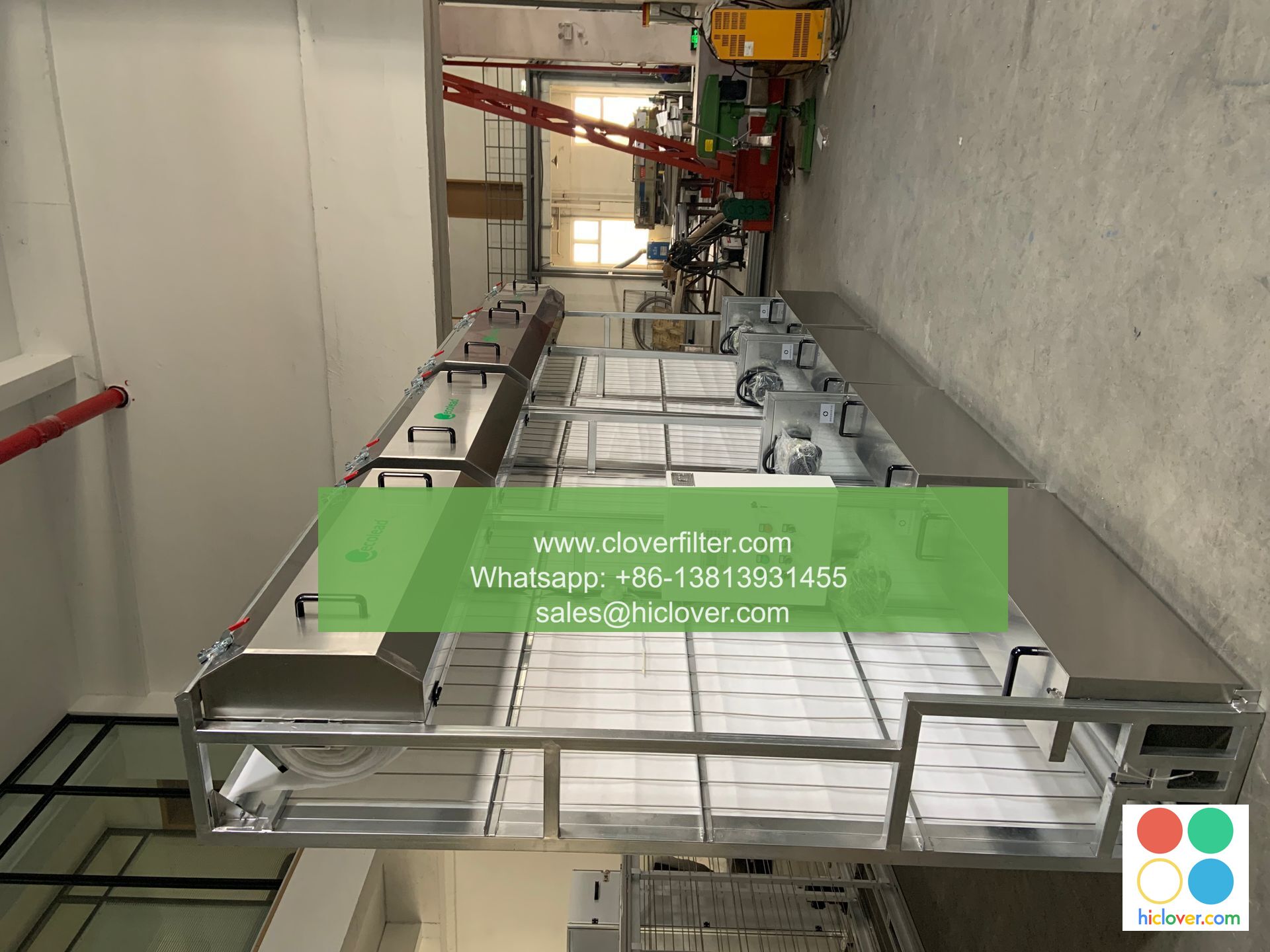
Application Areas: Automotive, Aerospace, and Industrial Sector
The sustainable air filters developed through R&D find applications in various sectors, including:
* Automotive: Eco-friendly air filters are used in vehicle air intake systems and cabin air filters to improve fuel efficiency and reduce emissions.
* Aerospace: High-performance air filters are used in aircraft engines and spacecraft life support systems to ensure reliable operation and crew safety.
* Industrial sector: Sustainable air filters are used in industrial processes, such as chemical processing and pharmaceutical manufacturing, to improve product quality and reduce environmental impact.
Smart Air Filters with IoT and Sensor Technology
The integration of Internet of Things (IoT) technology and sensor technology is another significant trend in air filter R&D. Smart air filters can monitor and adjust to changing air quality conditions, providing real-time feedback and optimization opportunities. These advanced air filters can be integrated with building management systems (BMS) and smart home systems to create intelligent and responsive indoor environments.
Application Areas: Smart Buildings, Smart Homes, and Wearable Technology
The smart air filters developed through R&D find applications in various areas, including:
* Smart buildings: Intelligent air filters are used in commercial and industrial buildings to optimize energy efficiency and improve occupant health.
* Smart homes: Smart air purifiers and air quality monitoring systems are used in residential applications to create healthy and comfortable living environments.
* Wearable technology: Portable air quality monitors and wearable air purifiers are used to protect individuals from air pollution in urban and industrial environments.
In conclusion, the air filter production industry is witnessing significant advancements in R&D, driven by the need for clean air and sustainable technologies. The development of high-efficiency air filters, eco-friendly materials, and smart air filters with IoT and sensor technology is transforming various application areas, including HVAC systems, air purifiers, cleanrooms, automotive, aerospace, industrial sector, smart buildings, smart homes, and wearable technology. As the industry continues to evolve, we can expect to see even more innovative and efficient air filtration solutions that improve indoor air quality, reduce environmental impact, and promote human health and well-being. It seems like you forgot to include the prompt. Please go ahead and provide it, and I’ll do my best to assist you!
