Should You Use Separate Air Filters in Your Home Based on Room Sizes?
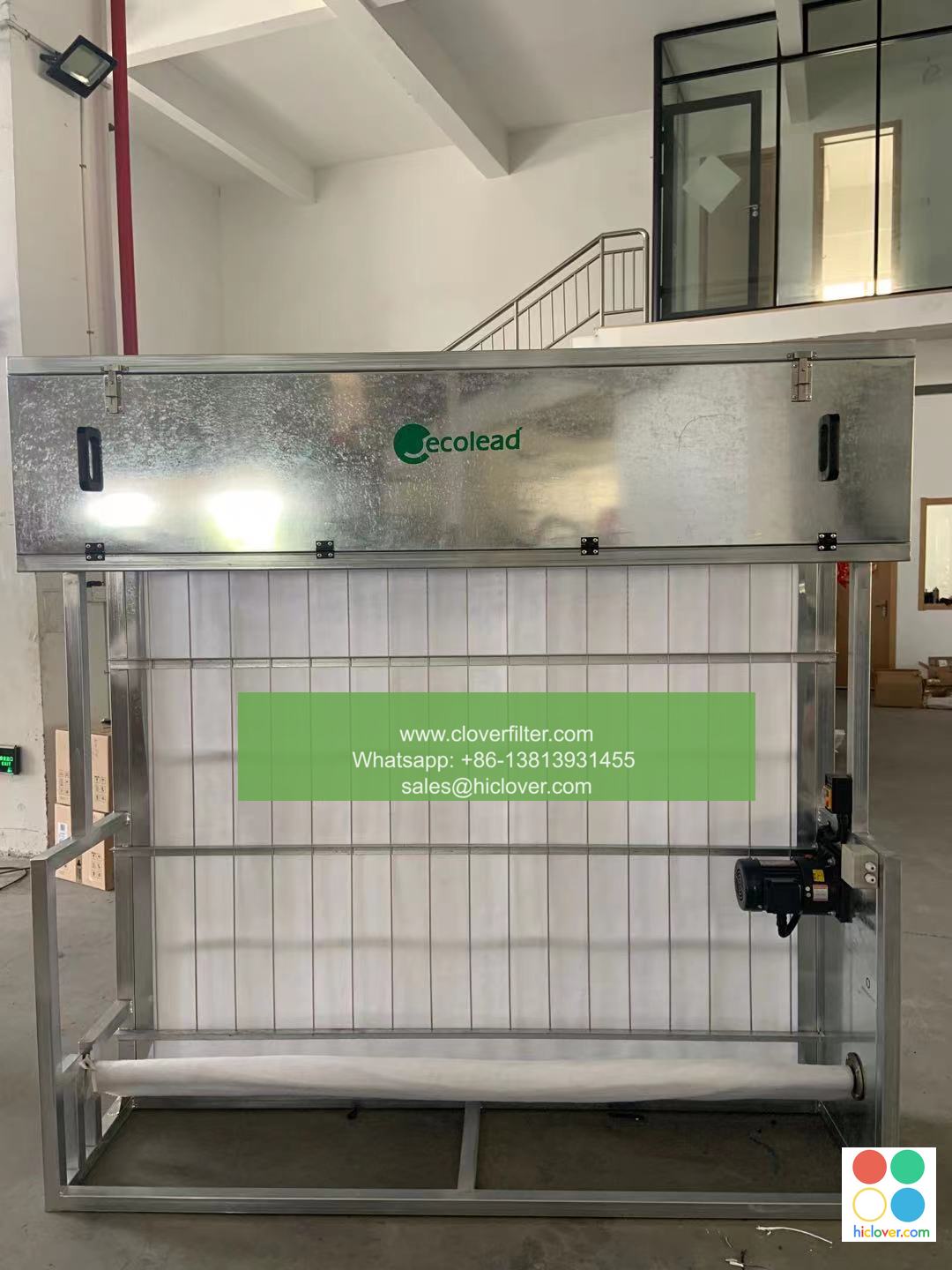
As homeowners, we strive to create a healthy and comfortable living environment. One crucial aspect of achieving this is maintaining good indoor air quality. With the plethora of air purification systems and air filter technologies available, it can be challenging to determine the best approach for your home. In this article, we will explore the concept of using separate air filters in your home based on room sizes and discuss the benefits and drawbacks of this approach.
Understanding the Importance of Air Filtration
Effective air filtration is vital for removing airborne pollutants, such as dust, pollen, and pet dander, from the air. A well-designed air filtration system can help alleviate allergy symptoms, reduce asthma attacks, and promote overall well-being. However, the air filtration needs of each room in your home may vary depending on factors such as room size, occupancy, and activities.
Considerations for Room-Specific Air Filtration
When deciding whether to use separate air filters in your home based on room sizes, consider the following factors:
* Room size and layout: Larger rooms or rooms with high ceilings may require more powerful air filters to effectively remove airborne pollutants.
* Occupancy and activity levels: Rooms with high occupancy or activities that generate more airborne pollutants, such as cooking or pet ownership, may benefit from separate air filters.
* Air exchange rates: Rooms with lower air exchange rates, such as bedrooms or home offices, may require more frequent air filter replacements or separate air filters to maintain optimal indoor air quality.
Benefits of Using Separate Air Filters
Using separate air filters in your home based on room sizes can offer several benefits, including:
* Improved indoor air quality: By tailoring air filtration to the specific needs of each room, you can create a healthier and more comfortable living environment.
* Increased energy efficiency: Using separate air filters can help reduce the load on your HVAC system, leading to energy savings and extended equipment life.
* Enhanced flexibility: Separate air filters allow you to customize air filtration for each room, making it easier to address specific indoor air quality concerns.
Challenges and Limitations
While using separate air filters can offer benefits, there are also challenges and limitations to consider:
* Higher upfront costs: Purchasing and installing separate air filters for each room can be more expensive than using a single, whole-house air filtration system.
* Increased maintenance requirements: Separate air filters require more frequent maintenance, including filter replacements and cleaning.
Application Areas for Separate Air Filters
Separate air filters can be particularly useful in the following application areas:
* Bedrooms: Using separate air filters in bedrooms can help create a healthy sleep environment and reduce allergy symptoms.
* Home offices: Separate air filters can help improve indoor air quality in home offices, reducing distractions and promoting productivity.
* Kitchens: Using separate air filters in kitchens can help remove cooking fumes and grease particles, improving indoor air quality and reducing the risk of fire hazards.
In conclusion, using separate air filters in your home based on room sizes can be an effective way to optimize indoor air quality and create a healthier living environment. By considering the specific air filtration needs of each room and weighing the benefits and drawbacks of separate air filters, you can make an informed decision that meets your unique needs and promotes overall well-being. Whether you’re looking to improve allergy symptoms, reduce asthma attacks, or simply create a more comfortable living space, separate air filters can be a valuable addition to your indoor air quality strategy.
It seems like you’re looking for a prompt to start a conversation or explore an idea. Here are a few options across different categories:
Technology
- AI Ethics: How do you think artificial intelligence should be regulated to ensure it serves humanity’s best interests?
- Future Gadgets: What innovative gadget do you wish existed, and how would it improve daily life?
- Cybersecurity: What measures can individuals and organizations take to protect themselves from cyber threats?
Environment
- Sustainability: What steps can individuals take to reduce their carbon footprint and contribute to a more sustainable future?
- Climate Change: How do you think global efforts to combat climate change are progressing, and what more needs to be done?
- Conservation: Which endangered species do you think deserves more attention, and how can we work towards its conservation?
Society and Culture
- Social Justice: What movements or causes do you think are most critical in the current social landscape, and how can people get involved?
- Cultural Exchange: How can we foster greater understanding and appreciation between different cultures, and what benefits can come from cultural exchange?
- Mental Health: What are some effective ways to support mental health awareness and reduce stigma around mental health issues?
Personal Development
- Goal Setting: What strategies are most effective for setting and achieving personal goals, and how can setbacks be overcome?
- Learning New Skills: What’s the most challenging skill you’ve tried to learn, and what resources or strategies helped you succeed?
- Productivity: How do you manage your time and prioritize tasks to maximize productivity in your daily life?
Entertainment
- Books vs. Movies: Which do you prefer, and why? Do adaptations ever live up to the original material?
- Gaming: What makes a video game truly engaging, and are there any games that you think have a particularly compelling narrative or gameplay mechanic?
- Music: How does music influence your mood or productivity, and are there any genres or artists you find especially impactful?
Feel free to pick any of these prompts or suggest a different direction you’re interested in exploring!
