How Air Filters Can Impact Your Respiratory Health
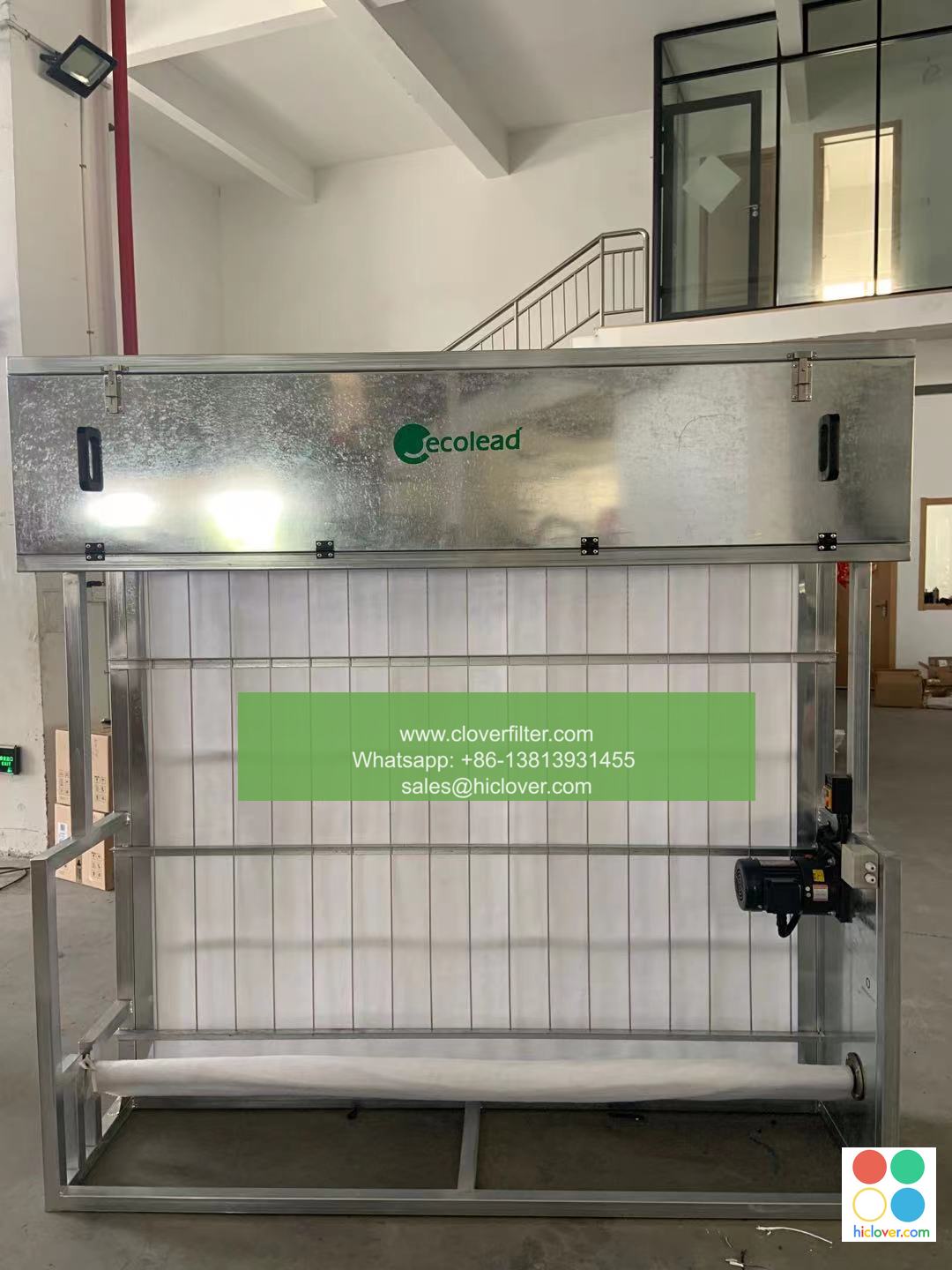
As we go about our daily lives, it’s easy to overlook the importance of the air we breathe. However, the quality of the air we inhale has a significant impact on our respiratory health. One crucial factor in maintaining good air quality is the use of air purification systems and high-efficiency air filters. In this article, we’ll explore the ways in which air filters can affect our respiratory well-being and highlight various application areas where they can make a significant difference.
Indoor Air Pollution: A Growing Concern
Indoor air pollution is a growing concern, with particulate matter (PM), volatile organic compounds (VOCs), and other pollutants contributing to poor air quality. These pollutants can come from various sources, including heating and cooling systems, cooking, and indoor furnishings. Prolonged exposure to poor indoor air quality can lead to respiratory issues, such as asthma, chronic obstructive pulmonary disease (COPD), and other breathing problems.
The Role of Air Filters in Improving Respiratory Health
Air filters play a critical role in removing pollutants and allergens from the air, thereby improving indoor air quality and reducing the risk of respiratory problems. By capturing particulate matter, bacteria, and viruses, air filters can help prevent the spread of airborne diseases and alleviate allergy symptoms. Some of the key benefits of using air filters include:
* Reduced exposure to pollutants: Air filters can remove up to 99.97% of particles as small as 0.3 microns, including dust, pollen, and pet dander.
* Improved lung function: By reducing the amount of pollutants in the air, air filters can help improve lung function and reduce the risk of respiratory issues.
* Relief from allergy symptoms: Air filters can help remove allergens from the air, providing relief from congestion, sneezing, and itching.
Application Areas for Air Filters
Air filters have a wide range of applications, including:
* Home air purification systems: Installing air filters in your home can help improve indoor air quality and reduce the risk of respiratory problems.
* Commercial HVAC systems: Air filters can be used in commercial HVAC systems to improve indoor air quality and reduce the risk of airborne diseases.
* Industrial environments: Air filters can be used in industrial environments to remove pollutants and hazardous materials from the air.
* Medical facilities: Air filters can be used in medical facilities to remove bacteria, viruses, and other microorganisms from the air.

Conclusion
In conclusion, air filters play a vital role in maintaining good respiratory health by removing pollutants and allergens from the air. By understanding the importance of air filtration and its various application areas, we can take steps to improve indoor air quality and reduce the risk of respiratory problems. Whether you’re looking to improve the air quality in your home, commercial building, or industrial environment, air filters are an essential tool in the fight against indoor air pollution and respiratory disease. It seems like you’re ready to start but haven’t specified what you’d like to talk about or ask. Could you please provide more details or clarify your question? I’m here to help with a wide range of topics, from science and history to entertainment and technology. What’s on your mind today?
