The Ultimate Guide to Kitchen Air Filters: What You Need to Know
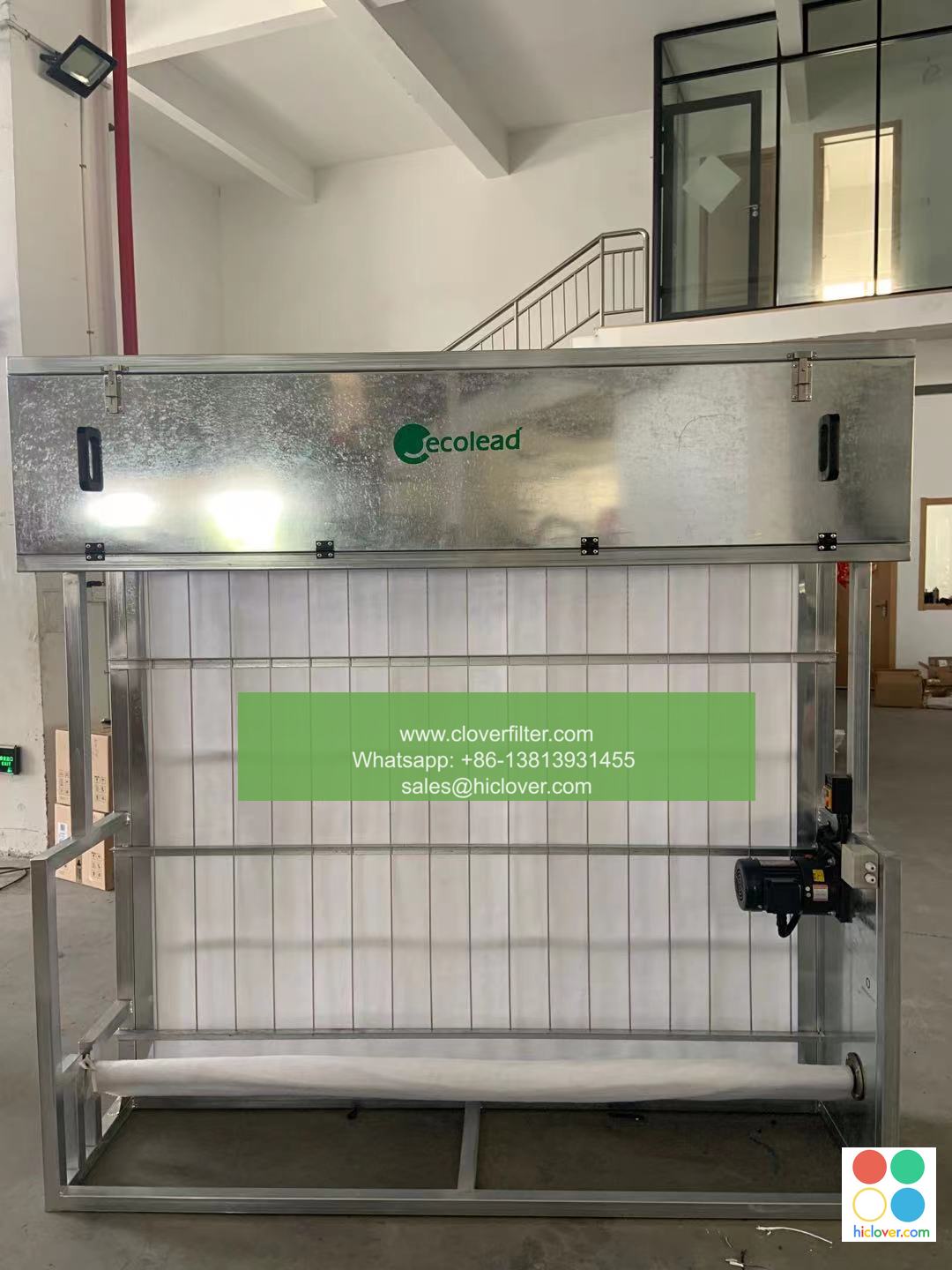
As a homeowner, maintaining good indoor air quality is crucial for your health and wellbeing. One often overlooked aspect of indoor air quality is the kitchen, where cooking fumes, grease particles, and odors can circulate and contaminate the air. This is where kitchen air filters come in – a vital component in maintaining a healthy kitchen environment. In this article, we will delve into the world of kitchen air filters, exploring their importance, types, and application areas.
Why Kitchen Air Filters Matter
Kitchen air filters are designed to capture airborne pollutants, allergens, and irritants that can exacerbate respiratory issues, such as asthma and allergies. By removing these contaminants, kitchen air filters can improve indoor air quality, reduce cooking smells and grease residue, and create a more comfortable cooking environment. Additionally, kitchen air filters can help prolong the life of your kitchen appliances and ventilation systems by preventing the buildup of grease and debris.
Types of Kitchen Air Filters
There are several types of kitchen air filters available, each with its own unique characteristics and benefits. Some of the most common types include:
* Activated Carbon Filters: Effective in capturing odors, gases, and volatile organic compounds (VOCs).
* HEPA Filters: Designed to capture 99.97% of particles as small as 0.3 microns, including dust, pollen, and bacteria.
* Electrostatic Filters: Use electrostatic charges to attract and capture particles and allergens.
* UV Light Filters: Utilize ultraviolet light to kill bacteria, viruses, and other microorganisms.
Application Areas for Kitchen Air Filters
Kitchen air filters can be applied in various areas to maximize their effectiveness. Some of the most common application areas include:
* Range Hoods: Installing a kitchen air filter in your range hood can help capture cooking fumes and grease particles at the source.
* Ventilation Systems: Integrating a kitchen air filter into your ventilation system can help remove airborne pollutants and allergens from the air.
* Recirculating Cooktops: Using a kitchen air filter with a recirculating cooktop can help capture cooking odors and particles without venting to the outside.
* Island Range Hoods: Installing a kitchen air filter in an island range hood can help improve air quality and reduce cooking smells in open-plan kitchens.

Choosing the Right Kitchen Air Filter
When selecting a kitchen air filter, consider the following factors:
* Filter Efficiency: Look for filters with high MEF (Minimum Efficiency Reporting Value) ratings to ensure effective particle capture.
* Filter Maintenance: Choose filters with washable or replaceable components to minimize maintenance costs.
* Compatiblity: Ensure the filter is compatible with your kitchen appliances and ventilation system.
* Noise Level: Opt for filters with low noise levels to minimize disruption during cooking.
By understanding the importance of kitchen air filters and selecting the right type for your needs, you can create a healthier kitchen environment and enjoy a more comfortable cooking experience. Remember to regularly maintain and replace your kitchen air filter to ensure optimal performance and indoor air quality. It seems like you haven’t provided a specific prompt for me to work with. Could you please provide more details or clarify what kind of information or help you’re looking for? Whether it’s a question, a topic to discuss, or a problem to solve, I’m here to assist you!
