Historical Perspectives on Air Filter Evolution
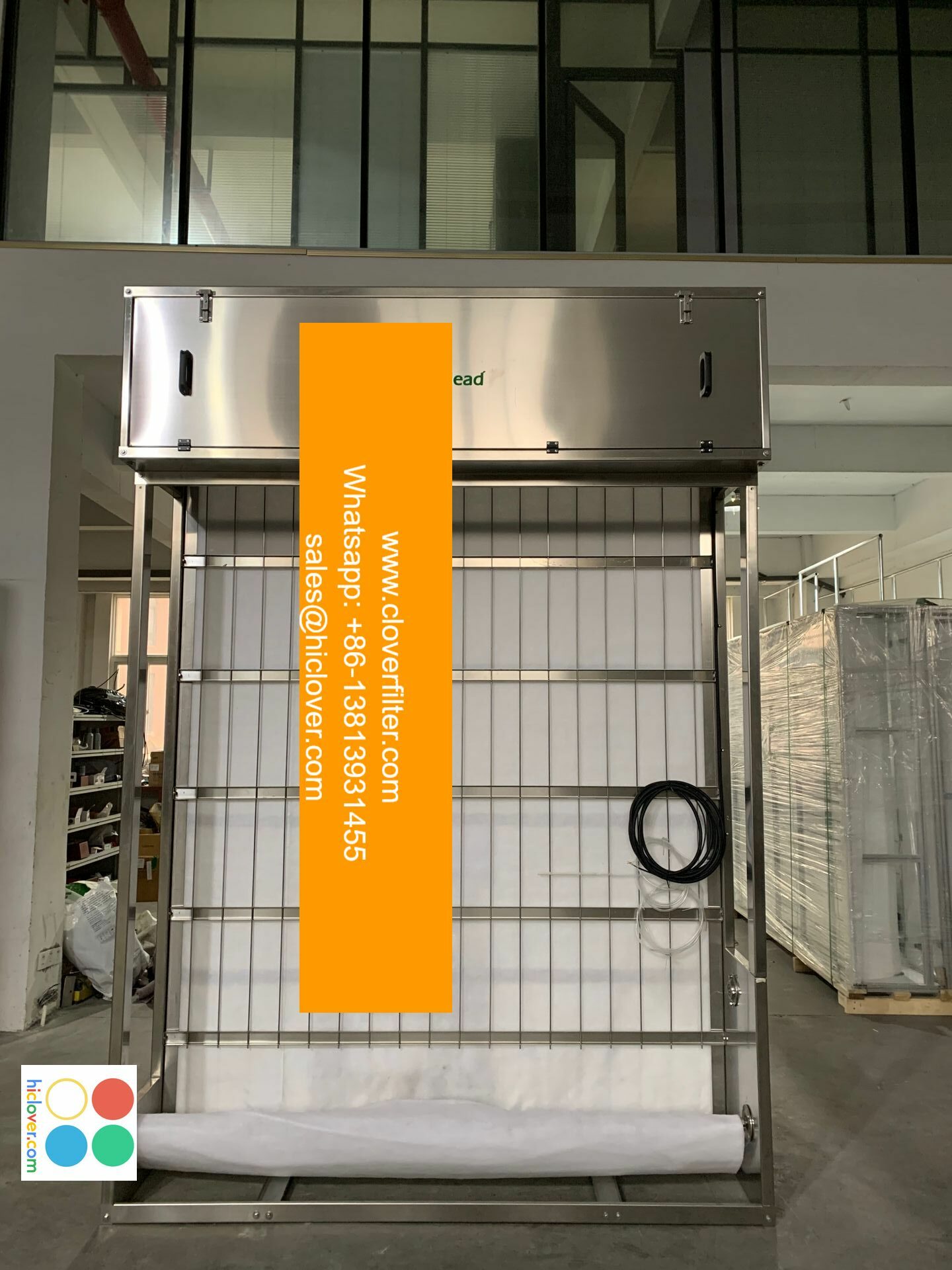
The evolution of air filters has been a long and winding road, paved with advancements in technology, industrial hygiene, and environmental science. From humble beginnings to the sophisticated systems of today, air filters have played a crucial role in maintaining indoor air quality, protecting human health, and supporting various industrial applications. In this article, we will delve into the historical perspectives on air filter evolution, highlighting key milestones, and application areas that have driven innovation.
Early Beginnings: Basic Air Filtration Systems
The earliest air filtration systems date back to the late 19th century, when cotton filters were used to remove dust and particulate matter from the air. These basic systems were primarily used in industrial settings, such as textile mills and coal mines, to protect workers from respiratory hazards. As the Industrial Revolution gained momentum, the need for more efficient air filtration systems grew, driving innovation and the development of new technologies.
Mid-20th Century Advancements: HEPA Filters and Activated Carbon
The mid-20th century saw significant advancements in air filter technology, with the introduction of HEPA (High Efficiency Particulate Air) filters and activated carbon. HEPA filters, developed in the 1940s, were designed to capture 99.97% of particles as small as 0.3 microns, making them an ideal solution for cleanrooms, medical facilities, and other high-purity applications. Activated carbon, on the other hand, was used to remove gases and volatile organic compounds (VOCs) from the air, improving indoor air quality and reducing health risks.
Modern Developments: Electrostatic Precipitators and Nanofiber Filters
In recent decades, air filter technology has continued to evolve, with the development of electrostatic precipitators and nanofiber filters. Electrostatic precipitators use electrostatic charges to attract and capture particulate matter, making them highly effective in industrial applications, such as power plants and cement factories. Nanofiber filters, on the other hand, utilize nanotechnology to create ultra-fine fibers that can capture even smaller particles, including viruses and bacteria.

Application Areas: From Residential to Industrial
Air filters have a wide range of applications, from residential to industrial. In homes and offices, air filters are used to maintain good indoor air quality, reducing allergies and respiratory problems. In industrial settings, air filters are used to protect workers from hazardous particles and gases, improve process efficiency, and reduce equipment damage. Additionally, air filters are used in medical facilities, cleanrooms, and laboratories to maintain sterile environments and prevent contamination.
Conclusion: The Future of Air Filter Evolution
As we look to the future, it is clear that air filter evolution will continue to be driven by advances in technology, environmental science, and industrial hygiene. The development of new materials, nanotechnology, and artificial intelligence will play a crucial role in shaping the next generation of air filters. With a growing focus on sustainability, energy efficiency, and indoor air quality, the demand for innovative air filter solutions will only continue to grow, driving innovation and improvement in this critical field. It seems like you didn’t include a prompt. Could you please provide more details or specify what you would like to talk about or ask? I’m here to help with a wide range of topics!
