Understanding OSHA Regulations for Air Filter Standards
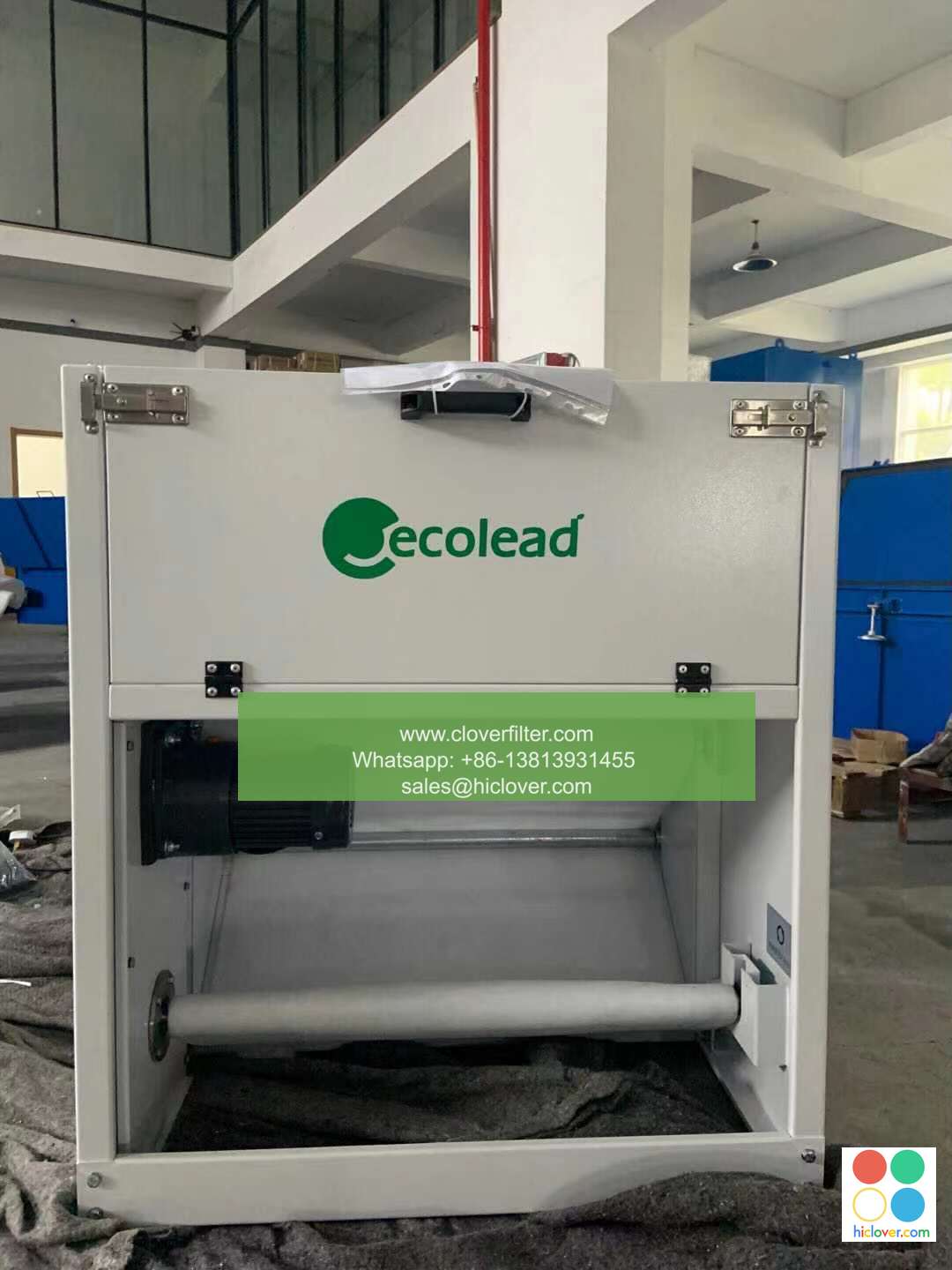
The Occupational Safety and Health Administration (OSHA) sets and enforces standards for air filter systems in various industries to ensure a safe and healthy work environment. Air filtration systems, industrial air filters, and HEPA filters are critical components in maintaining clean air quality and reducing indoor air pollution. In this article, we will delve into the OSHA regulations and standards for air filter systems, highlighting various application areas and industry-specific requirements.
Air Filter Standards and OSHA Regulations

OSHA regulates air filter systems under the 29 CFR 1910.94 standard, which outlines the requirements for ventilation and air cleaning systems in the workplace. The standard emphasizes the importance of air filtration in removing harmful airborne contaminants, such as particulates, gases, and vapors, from the air. Employers must ensure that their air filter systems meet the OSHA standards for efficiency, maintenance, and testing.
Key Components of OSHA Air Filter Regulations
Several key components are essential to understanding OSHA air filter regulations:
- Filter Efficiency: OSHA requires air filters to have a minimum efficiency rating of 95% for particulate matter (PM) and 99.97% for ultra-fine particles.
- Filter Maintenance: Regular filter maintenance and replacement are crucial to ensure the filter system operates effectively and efficiently.
- Testing and Certification: Air filter systems must be tested and certified by a third-party organization, such as the National Institute for Occupational Safety and Health (NIOSH) or the American Society of Heating, Refrigerating and Air-Conditioning Engineers (ASHRAE).
- Healthcare facilities: HEPA filters and ultra-fine particle filters are required to prevent the spread of airborne diseases and infections.
- Manufacturing facilities: Industrial air filters and dust collection systems are necessary to control particulate matter and hazardous materials.
- Laboratories: Fume hoods and air purification systems are essential for chemical and biological laboratories to minimize exposure to hazardous substances.
- Commercial buildings: Air filtration systems and HVAC systems must be designed and installed to provide clean air quality and prevent indoor air pollution.
- Develop and implement a comprehensive air filter maintenance program.
- Train employees on air filter safety and maintenance procedures.
- Conduct regular air quality testing to ensure the air filter system is operating effectively.
Application Areas and Industry-Specific Requirements
OSHA air filter regulations apply to various industries, including:
Compliance and Enforcement
Employers must comply with OSHA air filter regulations to avoid citations and fines. OSHA conducts inspections and audits to ensure employers are meeting the standards and regulations. Employers can take the following steps to ensure compliance:
In conclusion, understanding OSHA regulations for air filter standards is crucial for maintaining a safe and healthy work environment. By complying with the regulations and standards, employers can prevent indoor air pollution, reduce exposure to hazardous substances, and ensure clean air quality for their employees. Whether you are in healthcare, manufacturing, laboratories, or commercial buildings, it is essential to design, install, and maintain an effective air filter system that meets the OSHA standards and regulations.
Prompt
