The Truth About Filter Efficiency: Separating Fact from Fiction
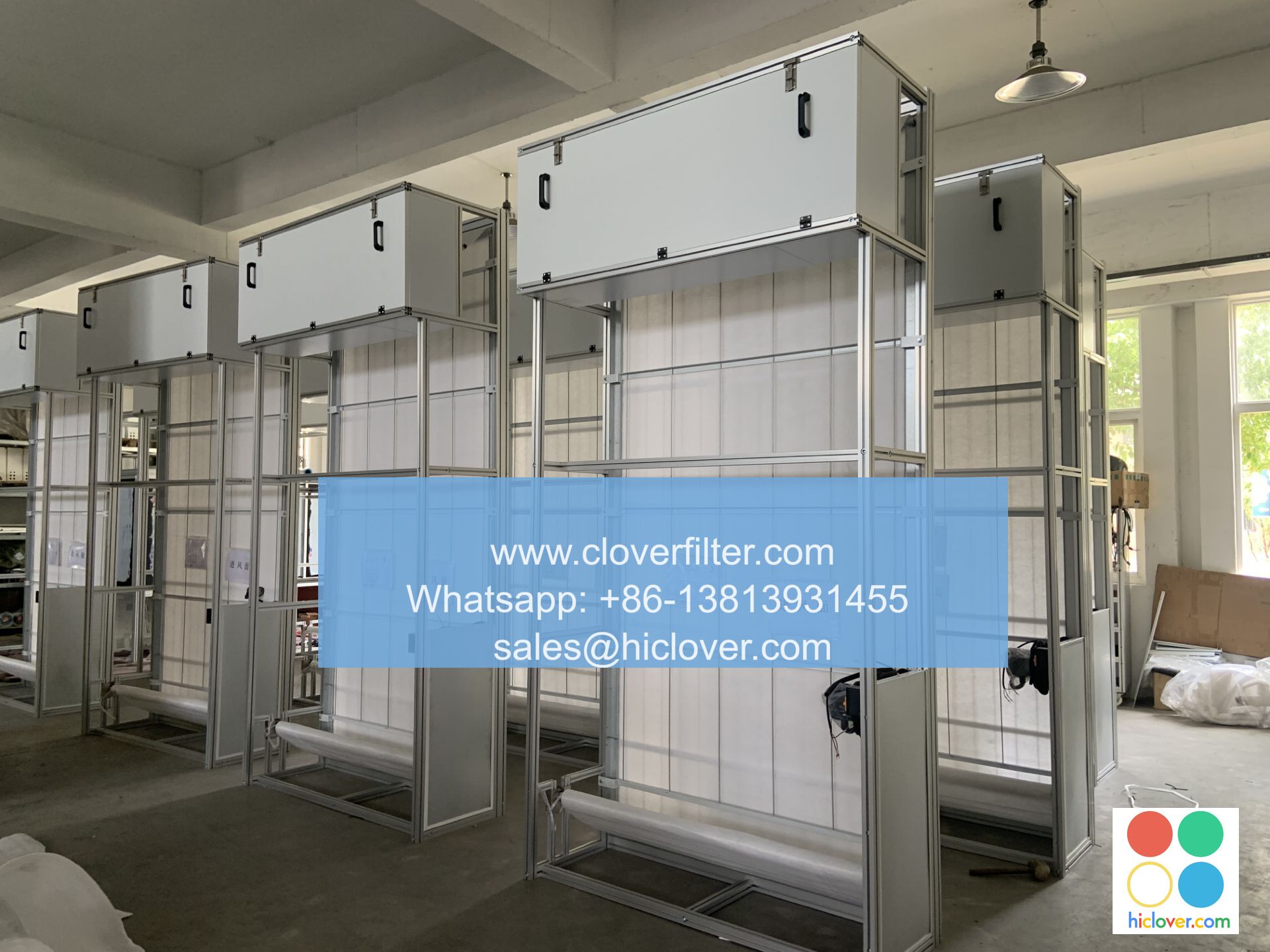
Filter efficiency is a critical aspect of various industries, including air purification, water treatment, and industrial filtration. With the increasing demand for clean air and water, the importance of filter efficiency cannot be overstated. However, there are many misconceptions and myths surrounding filter efficiency, making it essential to separate fact from fiction. In this article, we will delve into the world of filter efficiency, exploring its key aspects, application areas, and technological advancements.
Understanding Filter Efficiency
Filter efficiency refers to the ability of a filter to remove particulate matter, contaminants, and impurities from a fluid (liquid or gas). It is typically measured by the filter’s capture rate, which is the percentage of particles removed from the fluid. Filter efficiency is crucial in indoor air quality applications, where it helps to remove allergens, bacteria, and viruses from the air.
Myths and Misconceptions
There are several myths and misconceptions surrounding filter efficiency. One common myth is that a filter’s MERV rating (Minimum Efficiency Reporting Value) is the only factor to consider when evaluating its efficiency. However, MERV ratings only provide a general idea of a filter’s ability to remove particulate matter and do not account for other important factors such as air flow rate and filter media. Another misconception is that HEPA filters (High Efficiency Particulate Air) are 100% efficient, when in fact, they are designed to remove 99.97% of particles as small as 0.3 microns.
Application Areas
Filter efficiency plays a vital role in various industries, including:
* Air purification: Filter efficiency is critical in indoor air quality applications, where it helps to remove allergens, bacteria, and viruses from the air.
* Water treatment: Filter efficiency is essential in drinking water treatment applications, where it helps to remove contaminants and impurities from water.
* Industrial filtration: Filter efficiency is crucial in industrial processes, where it helps to remove particulate matter and contaminants from gases and liquids.

Technological Advancements
The filtration industry has witnessed significant technological advancements in recent years, including the development of nanofiber filters, membrane filters, and biological filters. These advancements have improved filter efficiency, reduced energy consumption, and increased cost-effectiveness. Additionally, the use of smart filtration systems and Internet of Things (IoT) technology has enabled real-time monitoring and optimization of filter efficiency.
Conclusion
In conclusion, filter efficiency is a complex and multifaceted topic that requires careful consideration of various factors, including capture rate, air flow rate, and filter media. By separating fact from fiction and understanding the key aspects of filter efficiency, we can make informed decisions about the application areas and technological advancements that are best suited to our needs. As the demand for clean air and water continues to grow, the importance of filter efficiency will only continue to increase, driving innovation and improvement in the filtration industry. It seems like you’re ready to start a conversation or ask a question, but you haven’t provided a specific prompt yet. What’s on your mind? Would you like to talk about a particular topic, ask for advice, or maybe engage in a fun conversation? I’m here to help and look forward to hearing from you!
