New Methods for Air Filter Testing and Evaluation
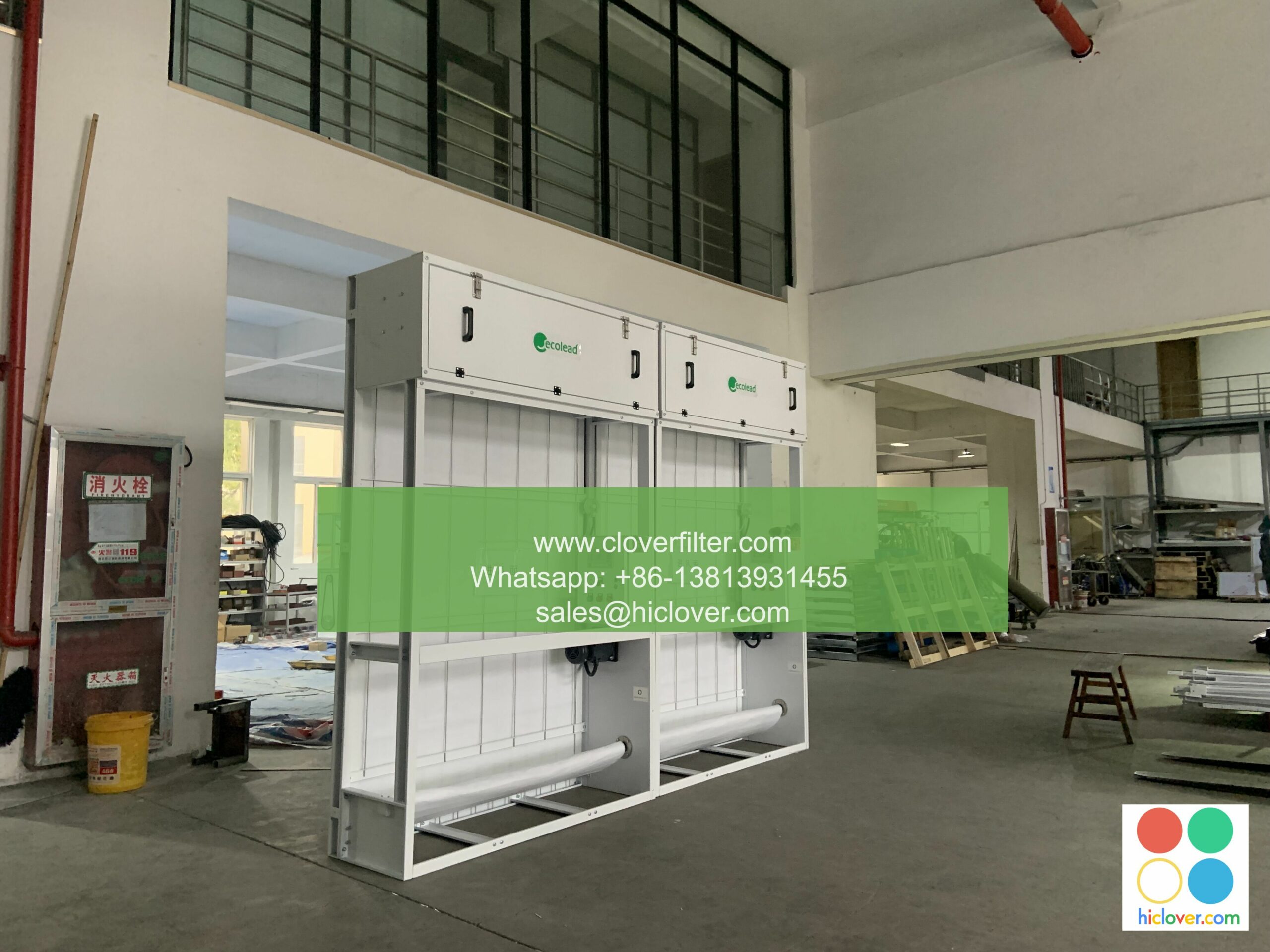
The importance of air quality cannot be overstated, and air filters play a critical role in maintaining clean and healthy air in various environments, including residential, commercial, and industrial settings. With the increasing awareness of indoor air quality (IAQ) and the need to mitigate the effects of airborne pollutants, the development of new methods for air filter testing and evaluation has become a priority. This article delves into the latest techniques and technologies used in the assessment of air filters, highlighting their energy efficiency, filtration performance, and indoor air quality improvement capabilities.
Advanced Testing Methods
Traditional methods for testing air filters often focus on basic parameters such as particulate matter (PM) removal efficiency and airflow resistance. However, newer approaches incorporate more sophisticated testing protocols that evaluate the filter’s ability to capture a wide range of pollutants, including volatile organic compounds (VOCs), nitrogen dioxide (NO2), and ozone (O3). These advanced methods utilize gas sensors, particle counters, and spectroscopic analysis to provide comprehensive data on filter performance under various operating conditions.
Application Areas
The application of new air filter testing and evaluation methods extends to multiple fields, where maintaining high-quality indoor air is crucial:
– Healthcare Facilities: To prevent the spread of airborne infections and ensure patient safety.
– Commercial Buildings: Enhancing occupant comfort and productivity by providing clean air.
– Residential Areas: Protecting families from indoor air pollutants and improving overall well-being.
– Industrial Settings: Safeguarding workers from hazardous airborne contaminants and improving industrial hygiene.
Digital Solutions and AI in Filter Testing
The integration of digital technologies and artificial intelligence (AI) in air filter testing represents a significant leap forward. Machine learning algorithms can analyze vast amounts of data collected from sensors and testing equipment to predict filter performance, identify trends, and optimize filter maintenance schedules. Moreover, cloud-based platforms enable remote monitoring and real-time feedback, facilitating proactive maintenance and reducing downtime.

Benefits of Advanced Air Filter Testing
The adoption of new methods for air filter testing and evaluation offers several benefits, including:
– Improved Indoor Air Quality (IAQ): By ensuring filters are functioning optimally.
– Enhanced Energy Efficiency: Through the selection of filters that balance filtration performance with minimal energy consumption.
– Extended Filter Lifespan: Predictive maintenance based on advanced testing data can reduce waste and lower replacement costs.
– Compliance with Regulations: Facilitating adherence to air quality standards and indoor air quality guidelines.
The evolution of air filter testing and evaluation methods is pivotal in the quest for cleaner, healthier indoor environments. By leveraging advanced technologies, digital solutions, and AI, industries can ensure their air filters are not only effective but also efficient and sustainable. As research and development continue, we can expect even more innovative approaches to emerge, further enhancing our ability to improve indoor air quality, reduce environmental impact, and promote public health. Prompt
