Proper Storage for Air Filters
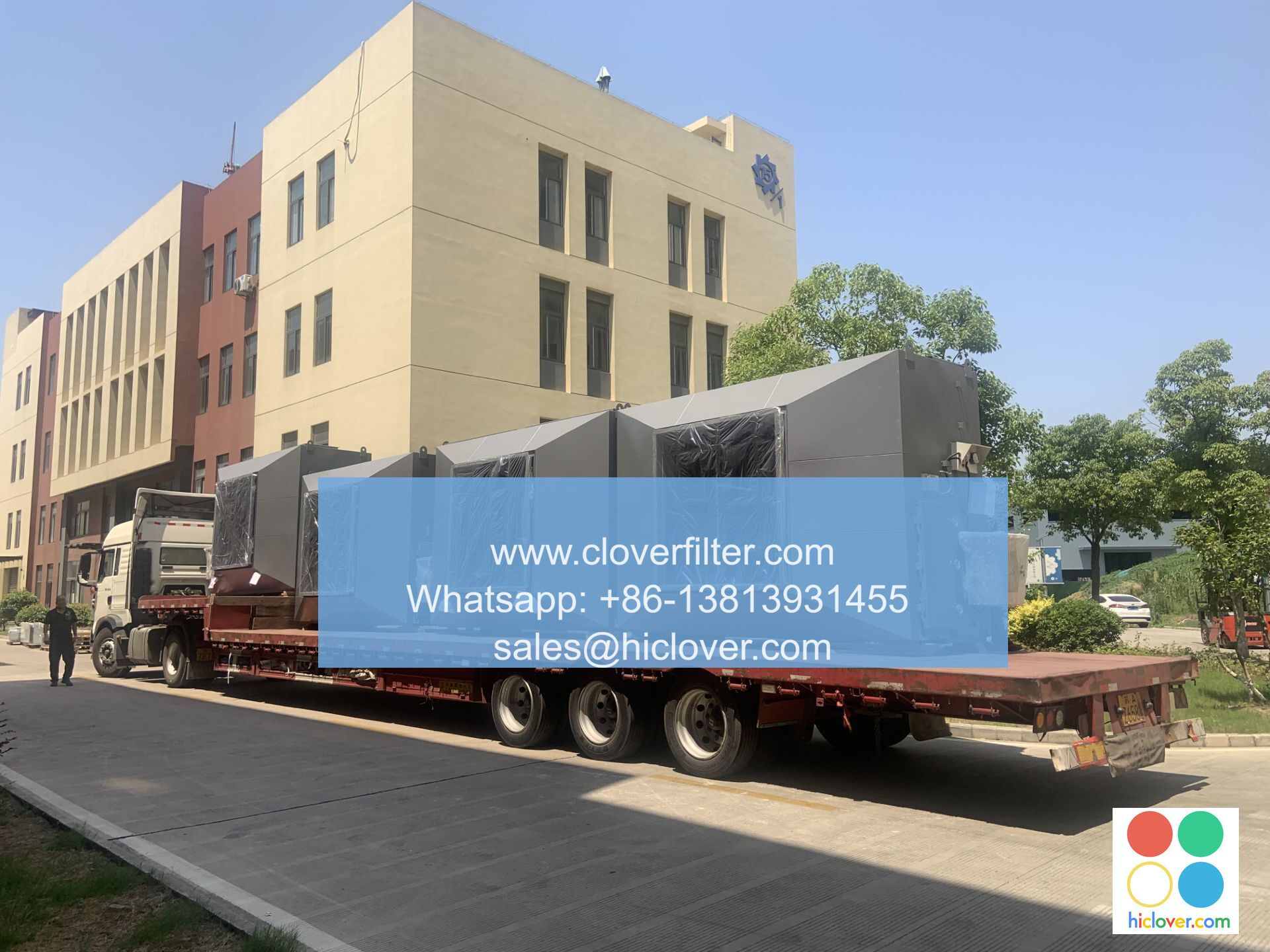
Proper storage for air filters is a crucial aspect of maintaining indoor air quality, preventing contamination, and ensuring the efficiency of heating, ventilation, and air conditioning (HVAC) systems. In this article, we will highlight the importance of proper storage for air filters and discuss various application areas where they are used.
##
Why Proper Storage Matters
Air filters are designed to capture airborne particles, including dust, pollen, and other allergens, and prevent them from circulating in the air. However, if air filters are not stored properly, they can become contaminated, which can lead to a decrease in their efficacy and potentially even harbor mold and bacteria. Proper storage for air filters is essential to maintain their quality and ensure they continue to filter the air effectively.
##
Storage Conditions for Air Filters
To store air filters properly, it is essential to keep them in a clean and dry environment, away from direct sunlight and moisture. The storage area should be well-ventilated to prevent the buildup of static electricity, which can attract dust and other particles. Additionally, air filters should be stored in their original packaging or in a sealed container to prevent exposure to dust and other contaminants.
##
Application Areas for Air Filters
Air filters are used in a variety of application areas, including:
* Residential HVAC systems to improve indoor air quality and reduce allergens
* Commercial HVAC systems to maintain a healthy and comfortable work environment
* Industrial settings to remove airborne contaminants and improve worker safety
* Medical facilities to prevent the spread of infections and maintain a sterile environment
* Automotive systems to improve engine performance and reduce emissions
##
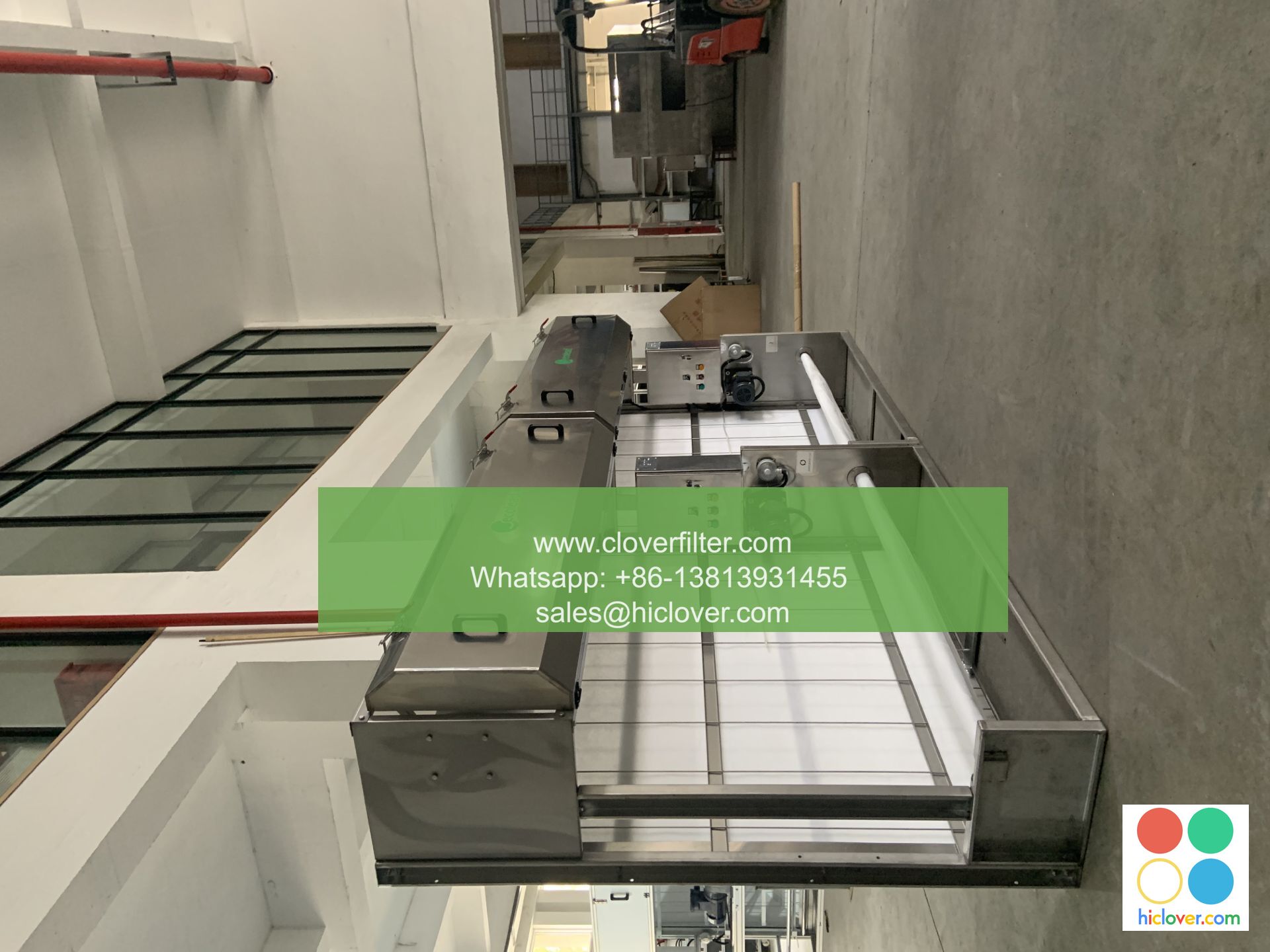
Best Practices for Storing Air Filters
To ensure the quality and efficacy of air filters, it is essential to follow best practices for storage, including:
* Labeling and dating air filters to ensure easy identification and rotation
* Storing air filters in a clean and dry environment to prevent contamination
* Keeping air filters away from direct sunlight to prevent degradation
* Using original packaging or sealed containers to prevent exposure to dust and other contaminants
By following these best practices and storing air filters properly, individuals can help maintain indoor air quality, improve the efficiency of HVAC systems, and reduce the risk of contamination. Whether in residential, commercial, or industrial settings, proper storage for air filters is essential for maintaining a healthy and comfortable environment. It seems like you didn’t provide a specific prompt for me to work with. Could you please provide more details or specify a task you’d like me to assist you with? I’m here to help with a wide range of topics, from answering questions and generating text to providing information or helping with creative ideas. What’s on your mind today?
