Air Filter Logistics: A Guide to Replacing Air Filters in Industrial Settings
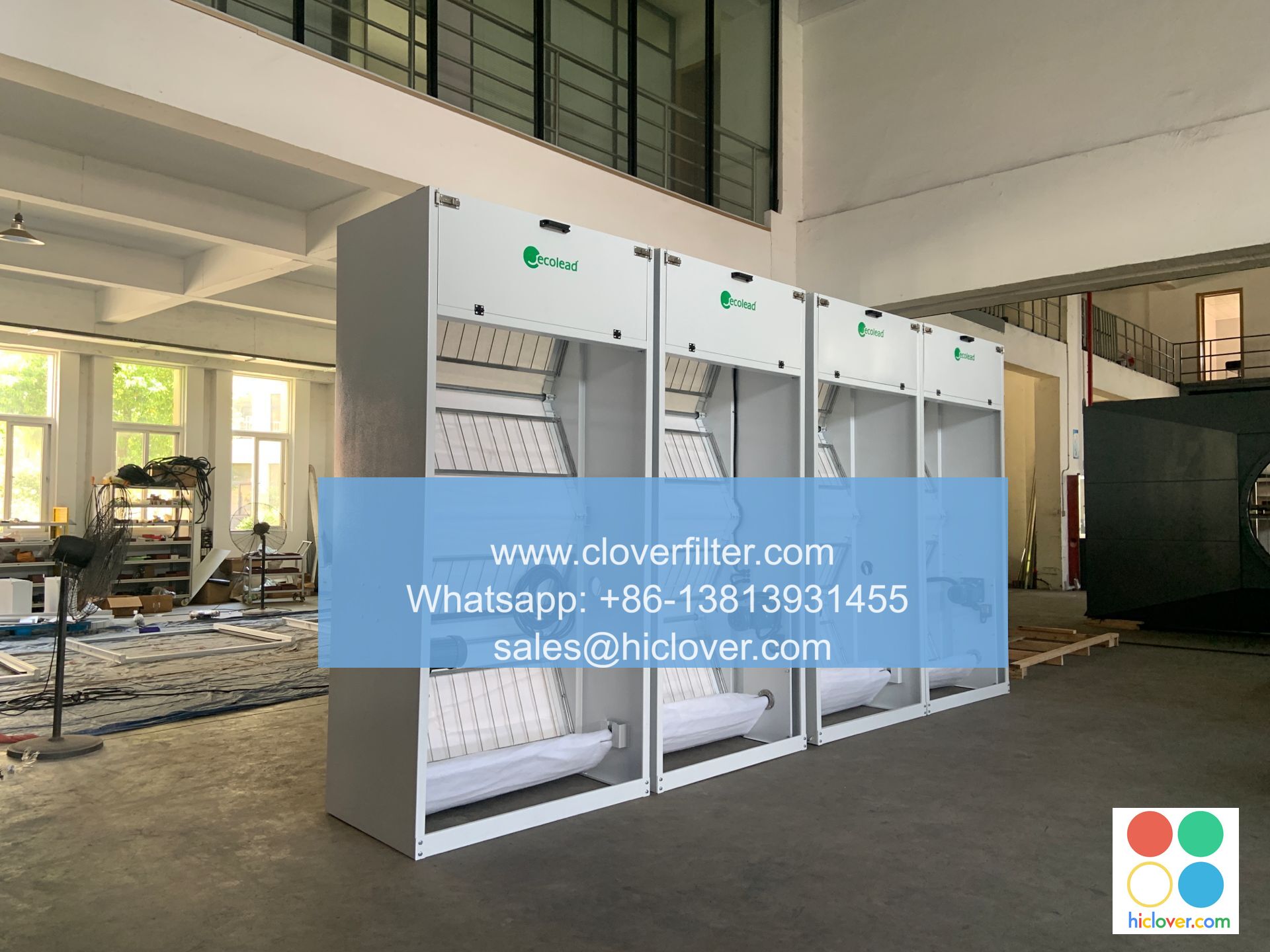
Proper air filtration is crucial in industrial settings to ensure the quality of air, prevent equipment damage, and maintain a healthy work environment. Air filter logistics play a vital role in this process, as it involves the planning, implementation, and maintenance of air filtration systems. In this article, we will discuss the importance of replacing air filters in industrial settings and provide a comprehensive guide on how to do it efficiently.
Why Replace Air Filters in Industrial Settings?
Replacing air filters in industrial settings is essential for several reasons:
* Indoor Air Quality (IAQ): Air filters help remove pollutants, dust, and other contaminants from the air, improving the overall indoor air quality.
* Equipment Protection: Air filters prevent dust and debris from damaging equipment, reducing downtime and maintenance costs.
* Energy Efficiency: Clean air filters can improve the energy efficiency of HVAC systems, reducing energy consumption and costs.
* Compliance with Regulations: Replacing air filters is crucial for compliance with occupational health and safety regulations, such as those set by OSHA.
Air Filter Replacement Schedules
The frequency of air filter replacement depends on various factors, including:
* Air Quality Monitoring: Regular monitoring of air quality can help determine the optimal replacement schedule.
* Equipment Type: Different types of equipment, such as HEPA Filters, Activated Carbon Filters, and Pre-Filters, have varying replacement schedules.
* Environmental Conditions: Factors like temperature, humidity, and air pollution levels can affect the replacement schedule.
Best Practices for Replacing Air Filters
To ensure efficient air filter replacement, follow these best practices:
* Develop a Maintenance Schedule: Create a schedule to track and replace air filters at regular intervals.
* Use Compatible Replacement Filters: Ensure that replacement filters are compatible with the existing filtration system.
* Train Maintenance Personnel: Provide training on proper air filter replacement procedures to maintenance personnel.
* Keep Records: Maintain accurate records of air filter replacements, including dates, times, and filter types.

Application Areas for Air Filter Logistics
Air filter logistics is critical in various industrial settings, including:
* Manufacturing Facilities: Air filters are used to remove pollutants and contaminants from the air, ensuring a clean and safe working environment.
* Pharmaceutical Industry: Air filters are used to maintain sterile environments and prevent contamination.
* Food Processing Plants: Air filters are used to remove contaminants and prevent spoilage.
* Healthcare Facilities: Air filters are used to maintain a clean and healthy environment for patients and staff.
Conclusion
Air filter logistics is a critical aspect of maintaining a clean and healthy environment in industrial settings. By understanding the importance of replacing air filters, developing a maintenance schedule, and following best practices, industries can ensure efficient air filter replacement and improve overall air quality. Remember to consider various Application Areas, such as Manufacturing Facilities, Pharmaceutical Industry, Food Processing Plants, and Healthcare Facilities, when implementing air filter logistics strategies. By doing so, industries can improve Indoor Air Quality (IAQ), reduce Energy Consumption, and maintain compliance with OSHA Regulations. It looks like you didn’t provide a prompt. Please go ahead and give me something to work with, such as a question, topic, or task, and I’ll do my best to assist you!
