Air Filter Regulations and the Environment
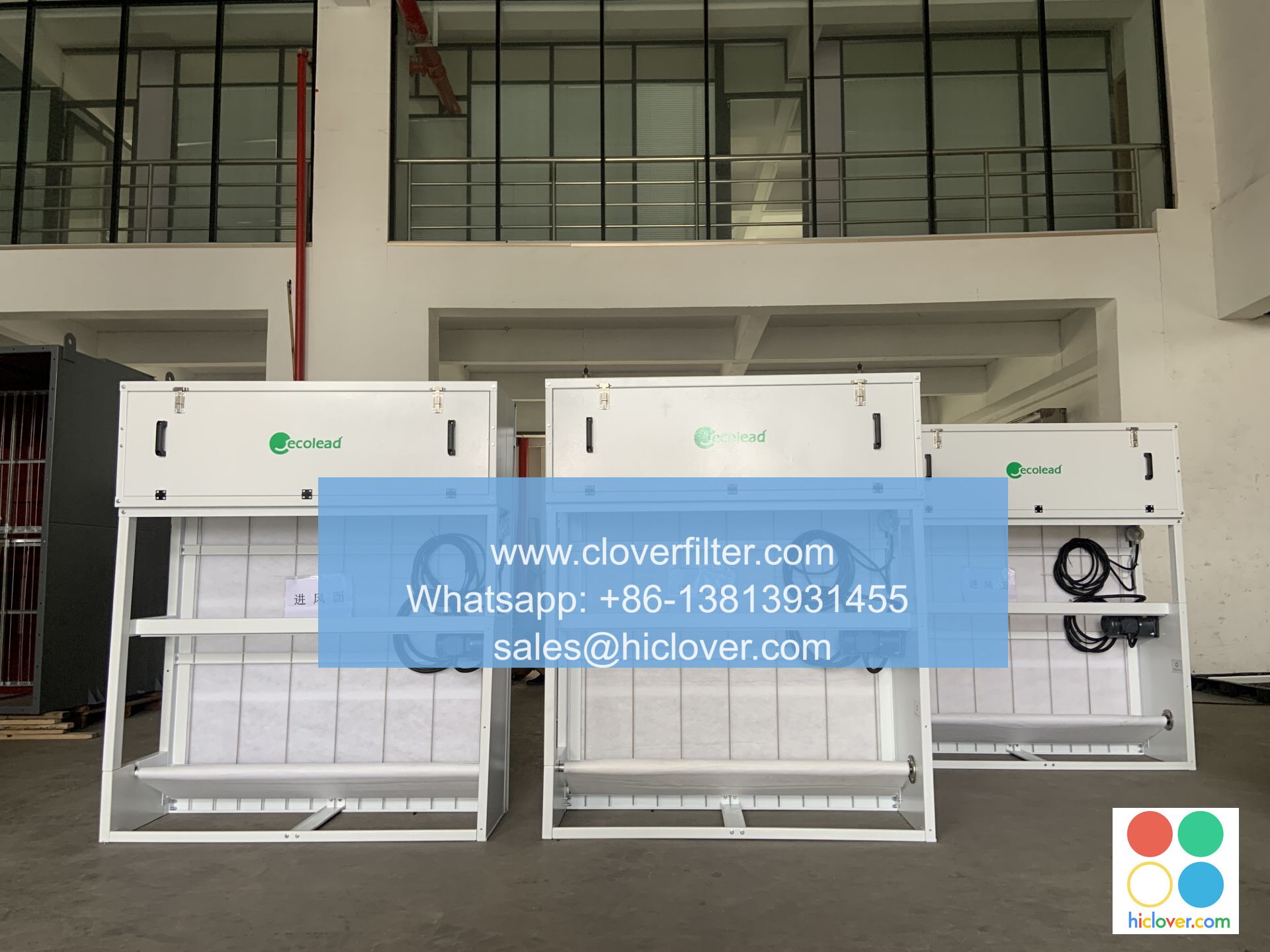
The importance of air quality management cannot be overstated, especially in the context of environmental protection and public health. Air filters play a vital role in maintaining good air quality, and air filter regulations are essential to ensure that these devices are effective and safe. In this article, we will explore the connection between air filter regulations and the environment, highlighting various application areas and the impact of these regulations on indoor air quality and outdoor air quality.
The Role of Air Filters in Environmental Protection
Air filters are designed to remove particulate matter (PM), gases, and volatile organic compounds (VOCs) from the air, improving air quality and reducing the negative impacts of air pollution on human health and the environment. HEPA filters, activated carbon filters, and UV air purifiers are some examples of air filters used in various application areas, including industrial settings, commercial buildings, and residential homes.
Air Filter Regulations: Standards and Guidelines
Air filter regulations are established to ensure that air filters meet certain standards and guidelines for efficiency, safety, and environmental sustainability. Some of the key regulations and standards include:
* ASHRAE Standards for ventilation and air filtration in buildings
* EPA regulations for air quality and emissions
* ISO standards for air filter testing and certification
These regulations and standards play a crucial role in promoting clean air and reducing the environmental impacts of air pollution.
Application Areas: Indoor and Outdoor Air Quality
Air filter regulations have a significant impact on both indoor air quality and outdoor air quality. In industrial settings, air filters are used to remove hazardous pollutants and particulate matter from the air, improving worker health and safety. In commercial buildings, air filters are used to maintain good indoor air quality, reducing the risk of respiratory problems and other health issues. In residential homes, air filters are used to remove allergens, pet dander, and other pollutants from the air, improving indoor air quality and reducing the risk of respiratory problems.

Conclusion: Air Filter Regulations and Environmental Sustainability
In conclusion, air filter regulations play a vital role in promoting environmental sustainability and public health. By establishing standards and guidelines for air filter efficiency, safety, and environmental sustainability, these regulations help to reduce the negative impacts of air pollution on human health and the environment. As we move forward, it is essential to continue to develop and implement effective air filter regulations, highlighting the importance of air quality management in various application areas, including industrial settings, commercial buildings, and residential homes. Prompt
