The Science Behind Air Filter Assemblies and Their Effectiveness
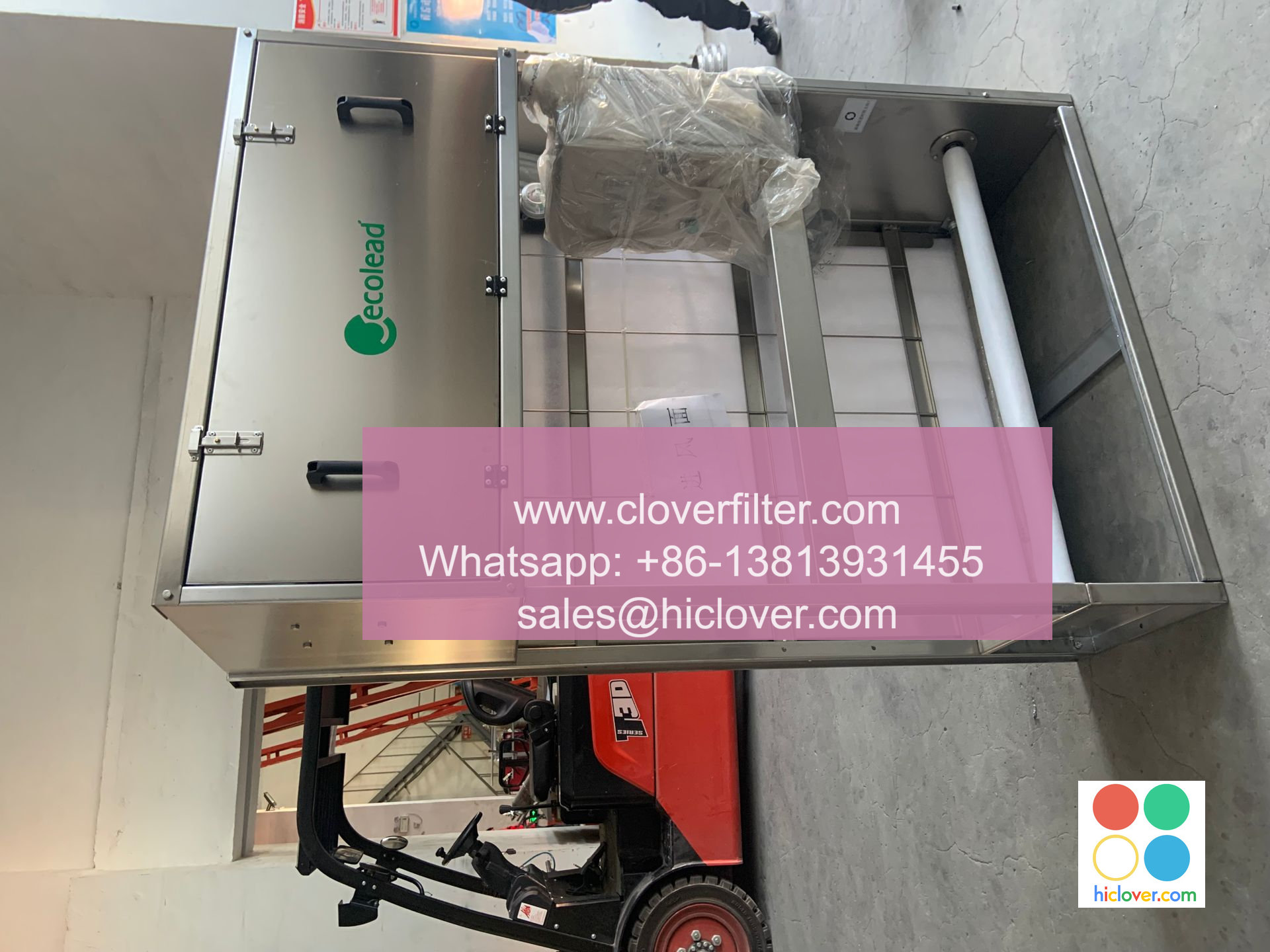
Air filter assemblies are a crucial component in maintaining indoor air quality, reducing airborne contaminants, and preventing equipment damage. The science behind these assemblies is rooted in the principles of filtration technology, aerodynamics, and materials science. In this article, we will delve into the efficacy of air filter assemblies and their applications in various industries, including HVAC systems, cleanrooms, and industrial processes.
Principles of Filtration
Air filter assemblies operate on the principle of mechanical filtration, where airborne particles are captured by a filter medium, such as fiberglass, polyester, or activated carbon. The filter efficiency depends on various factors, including particle size, airflow rate, and filter pore size. The most effective air filters are those that can capture particles as small as 0.3 microns, which is the size of most bacteria and viruses.
Types of Air Filter Assemblies
There are several types of air filter assemblies, each designed for specific applications and industries. These include:
* Pre-filters: designed to capture large particles and protect downstream filters
* HEPA filters: high-efficiency particulate air filters that capture 99.97% of particles as small as 0.3 microns
* Activated carbon filters: designed to capture gases and odors
* ULPA filters: ultra-low penetration air filters that capture 99.999% of particles as small as 0.12 microns
Applications of Air Filter Assemblies
Air filter assemblies have a wide range of applications in various industries, including:
* HVAC systems: to improve indoor air quality and reduce energy consumption
* Cleanrooms: to maintain ultra-clean environments for pharmaceutical and electronic manufacturing
* Industrial processes: to prevent equipment damage and reduce downstream contamination
* Healthcare facilities: to reduce infection transmission and improve patient outcomes
* Aerospace and defense: to protect sensitive equipment and ensure mission-critical operations

Evaluating the Effectiveness of Air Filter Assemblies
The effectiveness of air filter assemblies can be evaluated using various metrics, including:
* Filter efficiency: measured by the percentage of particles captured
* Pressure drop: measured by the change in air pressure across the filter
* Airflow rate: measured by the volume of air flowing through the filter
* Service life: measured by the time between filter replacements
By understanding the science behind air filter assemblies and their effectiveness, industries can select the most suitable filters for their specific applications and improve indoor air quality, reduce energy consumption, and prevent equipment damage. As filtration technology continues to evolve, we can expect to see even more advanced air filter assemblies that can capture an even wider range of airborne particles and gases. Prompt
