Air Filter Technologies
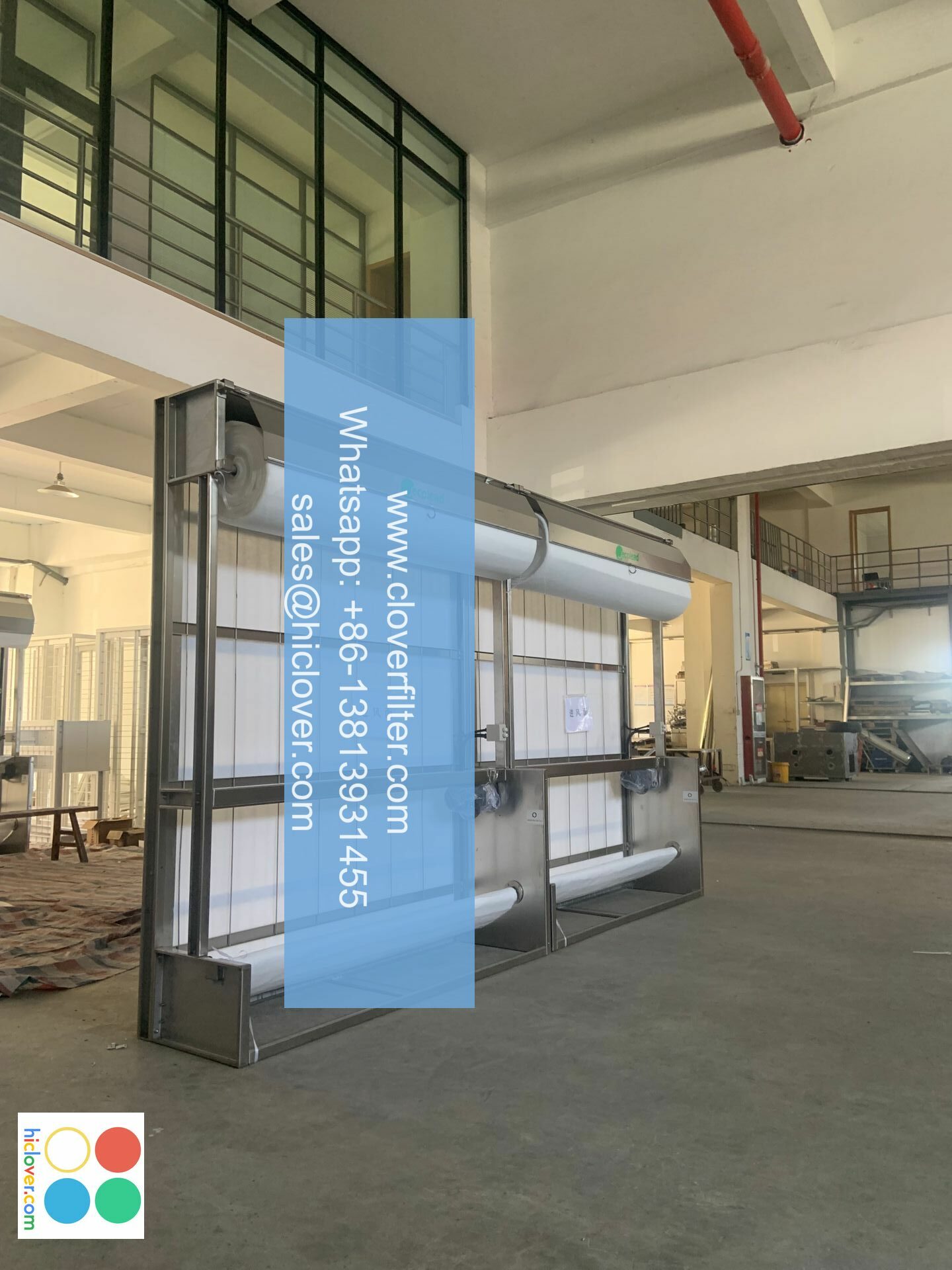
The importance of air filter technologies cannot be overstated, particularly in the context of indoor air quality (IAQ) and energy efficiency. With the increasing awareness of the impact of air pollution on human health and the environment, the demand for advanced air filtration systems has grown significantly. In this article, we will delve into the latest air filter technologies, their applications, and the benefits they offer.
Types of Air Filter Technologies
There are several types of air filter technologies available, each with its unique characteristics and advantages. Some of the most common types include:
* HEPA (High Efficiency Particulate Air) filters, which are capable of capturing 99.97% of particles as small as 0.3 microns, making them ideal for applications where high-quality air filtration is required.
* Activated carbon filters, which are effective in removing gases, odors, and volatile organic compounds (VOCs) from the air.
* Electrostatic filters, which use an electrostatic charge to attract and trap particles and pollutants.
* UV (Ultraviolet) filters, which utilize ultraviolet light to inactivate bacteria, viruses, and other microorganisms.
Application Areas of Air Filter Technologies
Air filter technologies have a wide range of applications across various industries, including:
* Residential and commercial HVAC (heating, ventilation, and air conditioning) systems, where they help improve IAQ and reduce energy consumption.
* Industrial and manufacturing processes, where they are used to remove hazardous particles and gases from the air.
* Healthcare facilities, where they play a critical role in preventing the spread of infections and diseases.
* Aerospace and automotive industries, where they are used to maintain clean air and prevent electronic component failure.
* Food processing and packaging facilities, where they help prevent contamination and maintain product quality.
Benefits of Air Filter Technologies
The benefits of air filter technologies are numerous and significant. Some of the most notable advantages include:
* Improved indoor air quality, which can help reduce the risk of respiratory problems and other health issues.
* Increased energy efficiency, which can lead to cost savings and reduced
* Extended equipment life, which can help reduce maintenance costs and minimize downtime.
* Enhanced product quality, which can help maintain customer satisfaction and brand reputation.
* Compliance with regulations, which can help companies avoid fines and penalties associated with air pollution and occupational health and safety.

Future Developments in Air Filter Technologies
As the demand for clean air and energy efficiency continues to grow, researchers and manufacturers are working to develop even more advanced air filter technologies. Some of the emerging trends and innovations include:
* Nanofiltration, which uses
* Biological air filtration, which utilizes microorganisms to break down pollutants and odors.
* Smart air filtration systems, which use artificial intelligence and IoT (Internet of Things) sensors to optimize air quality and energy efficiency.
In conclusion, air filter technologies play a vital role in maintaining indoor air quality, energy efficiency, and occupational health and safety. With the ongoing development of new and innovative air filter technologies, we can expect to see even more effective and efficient solutions for a wide range of applications. As we move forward, it is essential to prioritize the adoption of these technologies to create a healthier, more sustainable, and more environmentally friendly future. It seems like you started to give a prompt, but it didn’t come through. Could you please provide more details or clarify what you’re looking for?
