Air Filter Quality Control: A Guide to Filter Testing
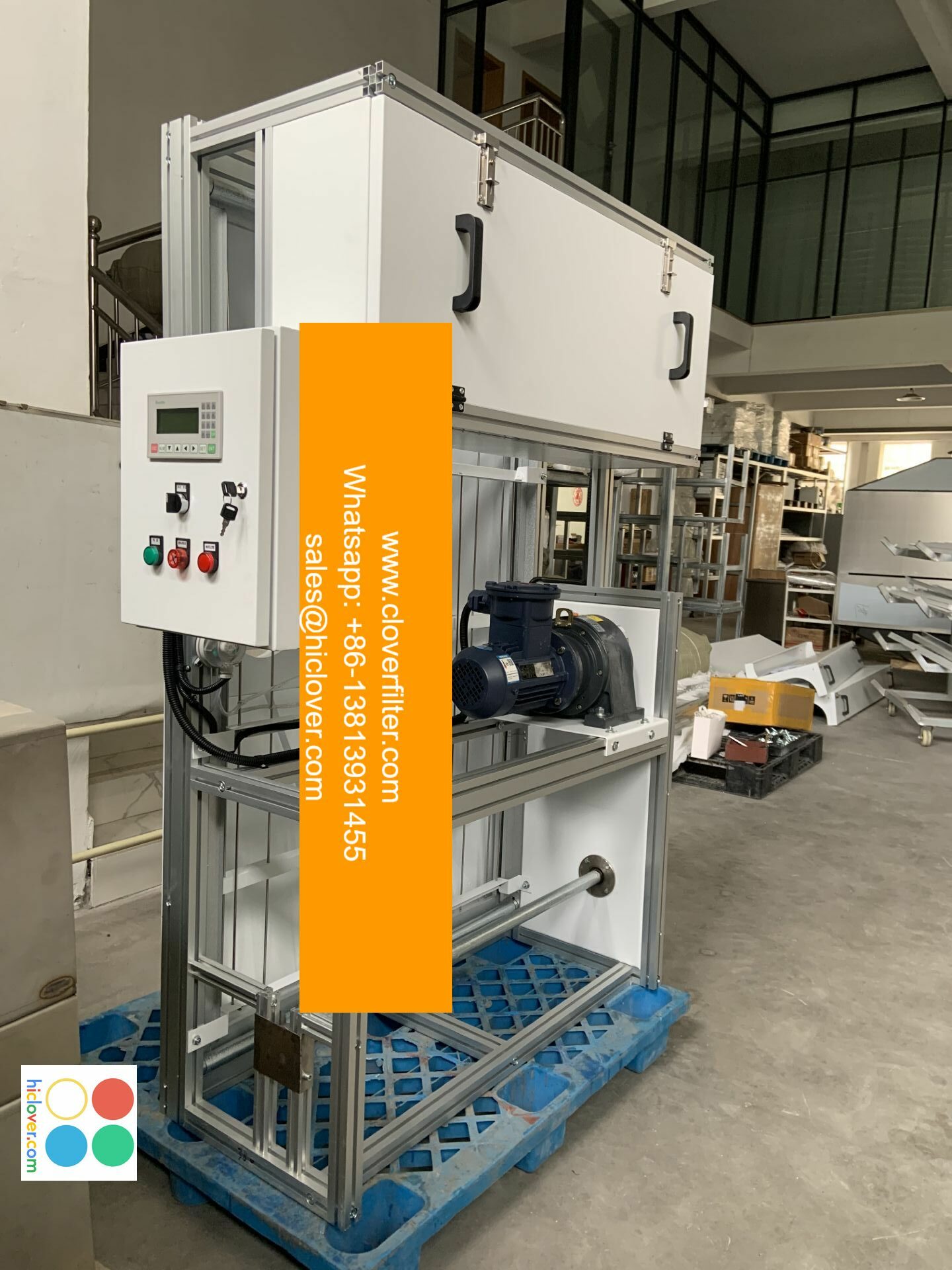
Air filter quality control is a crucial aspect of ensuring the indoor air quality and heating, ventilation, and air conditioning (HVAC) system performance. A well-designed and well-tested air filter can significantly improve the air purification efficiency and reduce energy consumption. In this article, we will discuss the importance of air filter quality control, the different types of filter testing methods, and their applications in various industries.
Introduction to Air Filter Quality Control
Air filter quality control involves a series of tests and evaluations to determine the filtration efficiency, pressure drop, and durability of an air filter. These tests are essential to ensure that the air filter meets the required standards and regulations, such as those set by the American Society of Heating, Refrigerating, and Air-Conditioning Engineers (ASHRAE) and the International Organization for Standardization (ISO). Air filter quality control is critical in various application areas, including commercial buildings, industrial processes, pharmaceutical manufacturing, and healthcare facilities.
Types of Filter Testing Methods
There are several filter testing methods used to evaluate the performance of air filters, including:
* Aerosol Challenge Testing: This method involves exposing the air filter to a controlled aerosol challenge to evaluate its filtration efficiency and pressure drop.
* Scanning Electron Microscopy (SEM): This method uses a scanning electron microscope to examine the filter media and evaluate its morphology and structure.
* Gas Flow Testing: This method involves measuring the gas flow rate and pressure drop across the air filter to evaluate its performance and efficiency.
* Particle Counting Testing: This method involves counting the number of particles upstream and downstream of the air filter to evaluate its filtration efficiency and particle removal efficiency.
Application Areas of Air Filter Quality Control
Air filter quality control is essential in various application areas, including:
* Commercial Buildings: Air filter quality control is critical in commercial buildings to ensure good indoor air quality and reduced energy consumption.
* Industrial Processes: Air filter quality control is essential in industrial processes to prevent contamination and ensure product quality.
* Pharmaceutical Manufacturing: Air filter quality control is critical in pharmaceutical manufacturing to prevent contamination and ensure product quality.
* Healthcare Facilities: Air filter quality control is essential in healthcare facilities to prevent infection transmission and ensure patient safety.

Conclusion
In conclusion, air filter quality control is a critical aspect of ensuring indoor air quality and HVAC system performance. The different types of filter testing methods and their applications in various industries highlight the importance of air filter quality control. By following the guidelines and regulations set by organizations such as ASHRAE and ISO, air filter manufacturers and users can ensure that their air filters meet the required standards and provide efficient air filtration and reduced energy consumption. By prioritizing air filter quality control, we can create healthier indoor environments and reduce the risks associated with poor indoor air quality. It seems like you forgot to include the prompt. Could you please provide more details about what you’re looking for? I’m here to help with any questions or topics you’d like to discuss.
