Innovative Designs for Air Filter Challenges
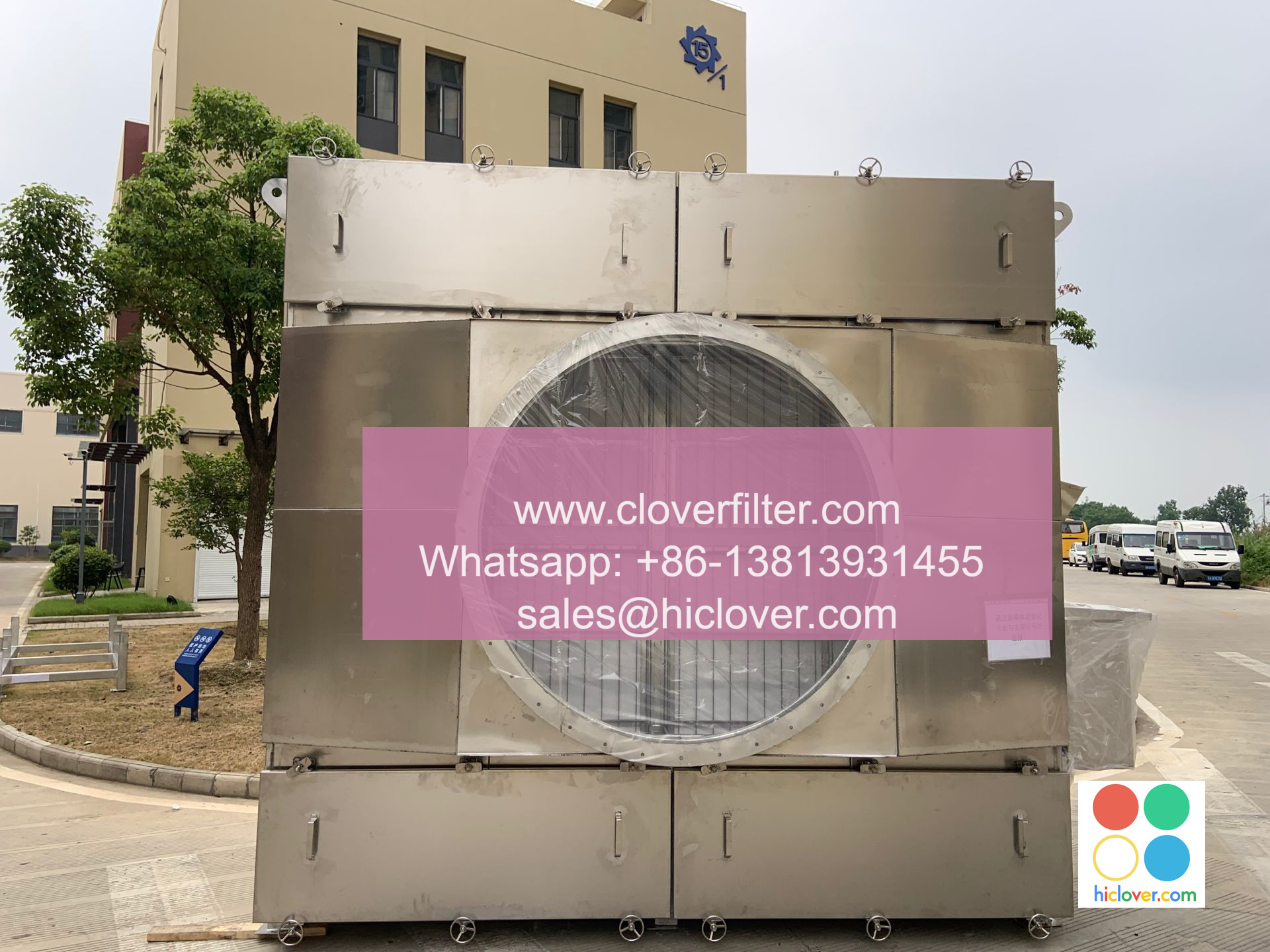
The increasing concern about air pollution and its impact on human health has led to a growing demand for effective air filtration systems. However, traditional air filters often face challenges such as clogging, high maintenance costs, and limited efficiency. To address these issues, researchers and manufacturers have developed innovative designs that combine cutting-edge technologies such as nano-filtration, activated carbon, and uv-c light disinfection. In this article, we will explore the latest advancements in air filter designs and their applications in various industries.
Application Areas for Innovative Air Filters
Innovative air filters have a wide range of applications in various industries, including:
* Indoor Air Quality (IAQ) improvement in residential and commercial buildings
* Industrial air purification in manufacturing plants and factories
* Medical facilities such as hospitals and clinics
* Transportation systems including cars, buses, and airplanes
* Food processing and storage facilities
Nano-Filtration Technologies
Nano-filtration technologies have revolutionized the air filtration industry by providing higher efficiency and lower maintenance costs. Nano-fiber filters and nanoparticle-based filters are two examples of innovative designs that use nanoparticles to capture tiny pollutants and particles. These filters have been shown to be effective in removing PM2.5 particles, volatile organic compounds (VOCs), and nitrogen dioxide (NO2) from the air.
Activated Carbon Air Filters
Activated carbon air filters are another type of innovative design that uses activated carbon to remove gases, odors, and chemicals from the air. These filters are often used in combination with hepa filters to provide comprehensive air purification. Activated carbon air filters have been shown to be effective in removing formaldehyde, benzene, and acrolein from the air.

UV-C Light Disinfection
UV-C light disinfection is a technology that uses ultraviolet light to kill bacteria, viruses, and other microorganisms. This technology is often used in air filters to provide an additional layer of protection against airborne pathogens. UV-C light air purifiers have been shown to be effective in removing influenza virus, norovirus, and tuberculosis bacteria from the air.
Smart Air Filters
The development of smart air filters has enabled real-time monitoring and control of air quality. These filters use IoT sensors and machine learning algorithms to detect changes in air quality and adjust the filtration system accordingly. Smart air filters have been shown to be effective in optimizing energy efficiency and filter replacement schedules.
Conclusion
Innovative designs for air filters have the potential to revolutionize the air filtration industry by providing higher efficiency, lower maintenance costs, and improved indoor air quality. The application of nano-filtration technologies, activated carbon air filters, uv-c light disinfection, and smart air filters can address various challenges in air filtration and provide effective solutions for different industries. As the demand for clean air continues to grow, the development of innovative air filter designs will play a critical role in improving public health and well-being. It seems like you forgot to include a prompt. Please go ahead and provide one, and I’ll be happy to help!
