Air Quality in Specific Environments
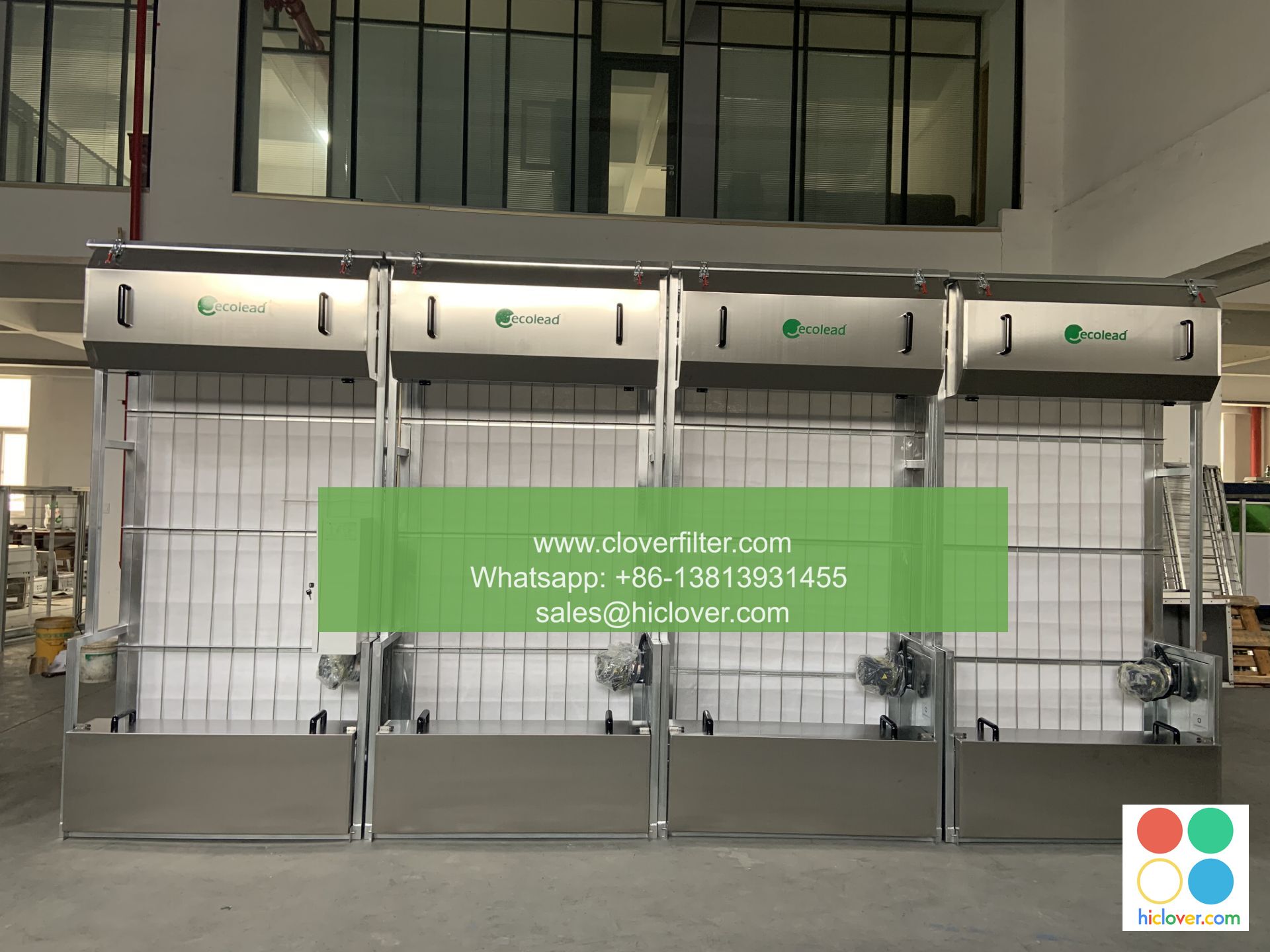
Air quality is a critical factor in maintaining a healthy and comfortable environment, whether it’s in residential, commercial, or industrial settings. The quality of air can significantly impact the well-being of occupants, productivity, and even the durability of infrastructure. In this article, we will delve into the specifics of air quality in various environments, highlighting the importance of indoor air quality monitoring, air pollution control, and ventilation systems in different application areas.
Residential Air Quality: A Key to Healthy Living
In residential settings, air quality is crucial for the health and comfort of inhabitants. Indoor air pollution can arise from various sources, including mold, pets, and cooking activities. To mitigate these issues, homeowners can employ air purification systems and ventilation solutions that promote clean air circulation and minimize the risk of respiratory problems. For instance, HEPA filters are highly effective in removing airborne particles, allergens, and pollutants, creating a healthier indoor environment.
Commercial Air Quality: Enhancing Productivity and Comfort
In commercial environments, such as offices and shopping malls, air quality plays a significant role in occupant comfort and productivity. Poor air quality can lead to fatigue, headaches, and reduced focus, ultimately affecting business performance. To address these concerns, building managers can implement commercial air quality control systems that incorporate air filtration, humidification, and ventilation technologies. These systems can help maintain optimal indoor air quality levels, ensuring a comfortable and healthy environment for employees and customers.
Industrial Air Quality: Ensuring Safety and Efficiency
In industrial settings, air quality is critical for worker safety and process efficiency. Industrial processes often involve hazardous materials and chemicals that can release toxic fumes and particulate matter. To combat these issues, industries can employ industrial air quality monitoring systems that detect and alert operators to potential hazards. Additionally, air pollution control equipment, such as scrubbers and electrostatic precipitators, can be used to minimize emissions and maintain a safe working environment.

Transportation and Air Quality: Reducing Emissions and Exposure
The transportation sector is a significant contributor to air pollution, with vehicles emitting greenhouse gases, particulate matter, and other pollutants. To mitigate these effects, emission control technologies can be implemented, such as catalytic converters and particulate filters. Furthermore, alternative fuel vehicles, like electric and hybrid cars, can significantly reduce emissions and promote clean air in urban environments.
Agricultural Air Quality: Balancing Productivity and Environmental Concerns
In agricultural settings, air quality is essential for crop yields and animal health. However, agricultural activities can generate dust, pesticides, and manure that can pollute the air and water. To address these challenges, farmers can adopt best management practices that minimize emissions and promote sustainable agriculture. For example, cover cropping and crop rotation can help reduce soil erosion and pesticide use, while manure management systems can minimize ammonia emissions and maintain air quality.
In conclusion, air quality is a vital aspect of various environments, including residential, commercial, industrial, transportation, and agricultural settings. By implementing effective air quality monitoring and control systems, we can promote clean air, comfort, and productivity, while minimizing the risks associated with air pollution. As we continue to develop and apply innovative ventilation and air purification technologies, we can create healthier, more sustainable environments for generations to come. It looks like you didn’t include a prompt. Please go ahead and provide one, and I’ll do my best to assist you!
