How to Choose the Right Air Filter for Your Allergy-Prone Home
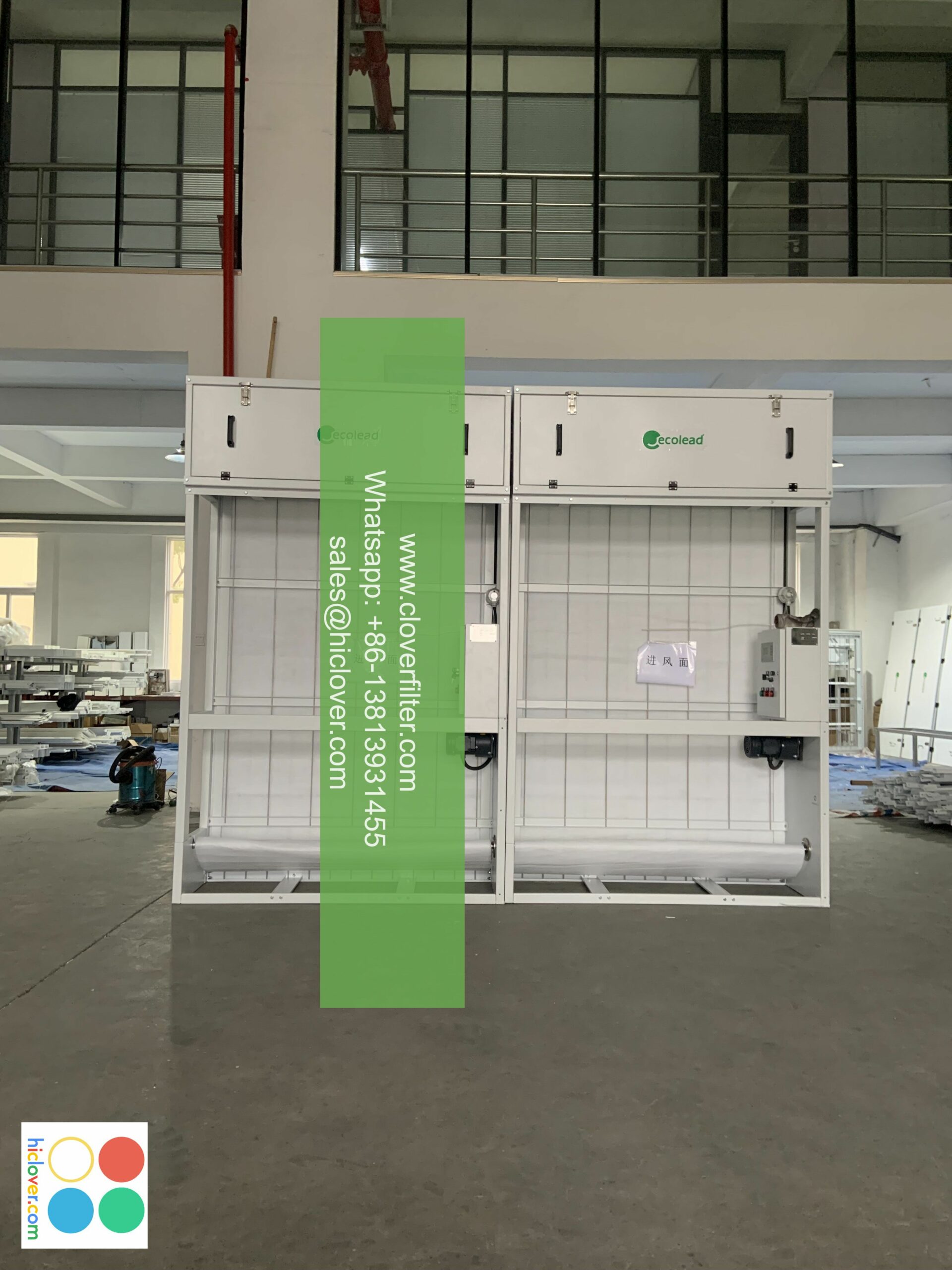
Are you tired of suffering from allergies and respiratory issues in your own home? Do you want to create a healthy indoor air quality environment for you and your family? Look no further! In this article, we will explore the importance of air filters in reducing allergens, pollutants, and irritants in your home, and provide a step-by-step guide on how to choose the right air filter for your allergy-prone home.
Understanding the Basics of Air Filtration
Before we dive into the world of air filters, it’s essential to understand the basics of air filtration. Air filtration systems work by capturing particulate matter, such as dust, pollen, and pet dander, from the air, preventing them from circulating and aggravating allergies. There are various types of air filters available, including HEPA filters, activated carbon filters, and ionic air purifiers. Each type of filter has its unique characteristics, advantages, and application areas.
Types of Air Filters and Their Applications
* HEPA (High Efficiency Particulate Air) filters: These filters are designed to capture 99.97% of particles as small as 0.3 microns, making them ideal for allergy sufferers and asthma patients. They are commonly used in home air purifiers, vacuum cleaners, and HVAC systems.
* Activated carbon filters: These filters are effective in removing odors, gases, and chemicals from the air, making them perfect for kitchen and bathroom areas.
* : These filters use negative ions to attract and trap particulate matter, making them a great option for bedrooms and living rooms.
Factors to Consider When Choosing an Air Filter
When selecting an air filter for your allergy-prone home, there are several factors to consider, including:
* Filter efficiency: Look for filters with a high MERV rating (Minimum Efficiency Reporting Value) or HEPA certification.
* Filter size: Choose a filter that fits your air purifier or HVAC system to ensure optimal performance.
* Filter type: Consider the type of filter that best suits your needs, such as HEPA, activated carbon, or ionic.
* Maintenance costs: Calculate the cost of replacing filters and maintenance requirements to ensure you choose a filter that fits your budget.

Additional Tips for Allergy Sufferers
* Regularly replace filters to ensure optimal performance and prevent the buildup of allergens and pollutants.
* Use a filter with a high CADR (Clean Air Delivery Rate) to quickly remove allergens and pollutants from the air.
* Consider a filter with a built-in humidity control to prevent the growth of mold and mildew.
Conclusion
Choosing the right air filter for your allergy-prone home can be a daunting task, but by understanding the basics of air filtration and considering factors such as filter efficiency, size, and type, you can create a healthy indoor air quality environment for you and your family. Remember to regularly replace filters, use a filter with a high CADR, and consider a filter with built-in humidity control to keep your home allergen-free and pollutant-free. By following these tips and guidelines, you can breathe easy and enjoy a healthy and happy home. It looks like you didn’t include a prompt. Please go ahead and provide one, and I’ll do my best to assist you!
