The Importance of Air Filter Pressure Drop in System Design for Data Centers
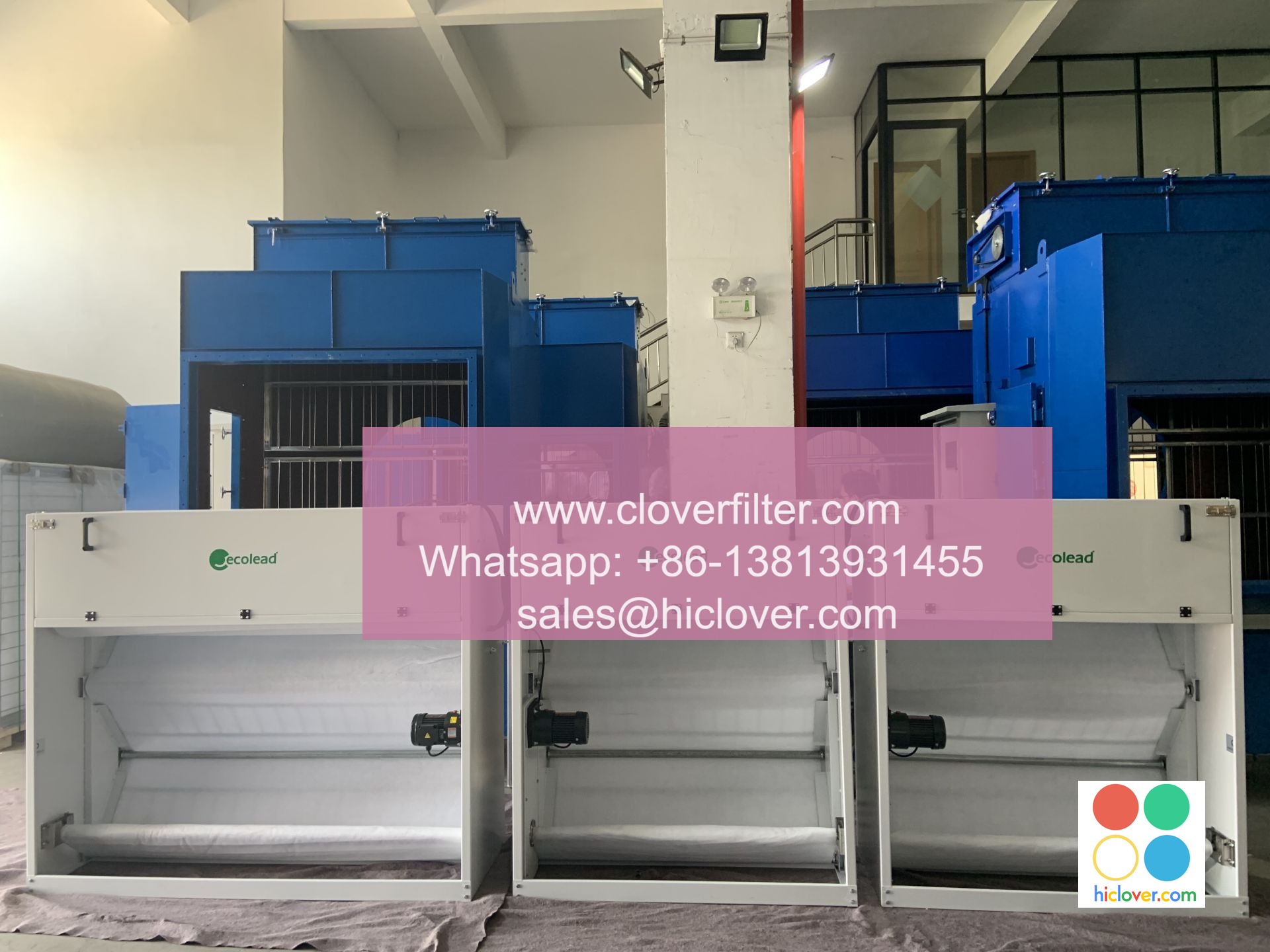
Air filter pressure drop is a crucial factor in system design for data centers, as it has a significant impact on the overall energy efficiency, reliability, and performance of the facility. Data center cooling systems and air filtration systems must work together in harmony to provide a stable and efficient environment for sensitive electronic equipment. In this article, we will discuss the importance of air filter pressure drop in system design for data centers and highlight its various application areas.
Understanding Air Filter Pressure Drop
Air filter pressure drop refers to the decrease in air pressure that occurs as air passes through a filter. This pressure drop is typically measured in inches of water gauge (in.wg) or Pascals (Pa) and is influenced by factors such as filter type, size, and airflow rate. A higher pressure drop can result in increased fan energy consumption and reduced system airflow, while a lower pressure drop can lead to improved energy efficiency and system reliability.
Application Areas in Data Centers
Air filter pressure drop has several application areas in data centers, including:
* Cold aisle containment systems: Air filter pressure drop must be carefully managed to ensure proper airflow distribution and temperature control in these systems.
* Hot aisle containment systems: Air filter pressure drop can impact the efficiency of heat removal and cooling system performance in these systems.
* Computer room air handlers (CRAHs): Air filter pressure drop can affect the overall cooling capacity and energy efficiency of these systems.
* High-density data centers: Air filter pressure drop is critical in these environments, where high airflow rates and precise temperature control are required.
Design Considerations for Air Filter Pressure Drop
When designing a data center cooling system, several factors must be considered to minimize air filter pressure drop and optimize system performance. These include:
* Filter selection: Choosing the right type and size of filter can help minimize pressure drop while maintaining indoor air quality and equipment protection.
* System layout: Careful planning of the system layout can help reduce pressure drop by minimizing ductwork and fittings.
* Airflow management: Proper airflow management can help reduce pressure drop by ensuring that air is delivered efficiently to the equipment racks.
* Monitoring and maintenance: Regular monitoring and maintenance of the air filtration system can help identify and address issues related to pressure drop.

Best Practices for Minimizing Air Filter Pressure Drop
To minimize air filter pressure drop and optimize system performance, data center operators can follow several best practices, including:
* Using high-efficiency filters with low pressure drop
* Implementing regular filter maintenance and replacement schedules
* Optimizing system airflow and ductwork design
* Monitoring system performance and adjusting as needed
Conclusion
In conclusion, air filter pressure drop is a critical factor in system design for data centers, and its importance cannot be overstated. By understanding the principles of air filter pressure drop and implementing best practices for minimization, data center operators can optimize system performance, reduce energy consumption, and improve overall data center efficiency and reliability. As the demand for high-performance computing and data storage continues to grow, the importance of air filter pressure drop in data center system design will only continue to increase. It seems like you’re ready to start a conversation or ask a question, but you haven’t provided any details yet. Could you please provide more context or specify what you’re interested in discussing? I’m here to help with a wide range of topics!
