Air Filter Technology: An Overview of the Different Types and Applications
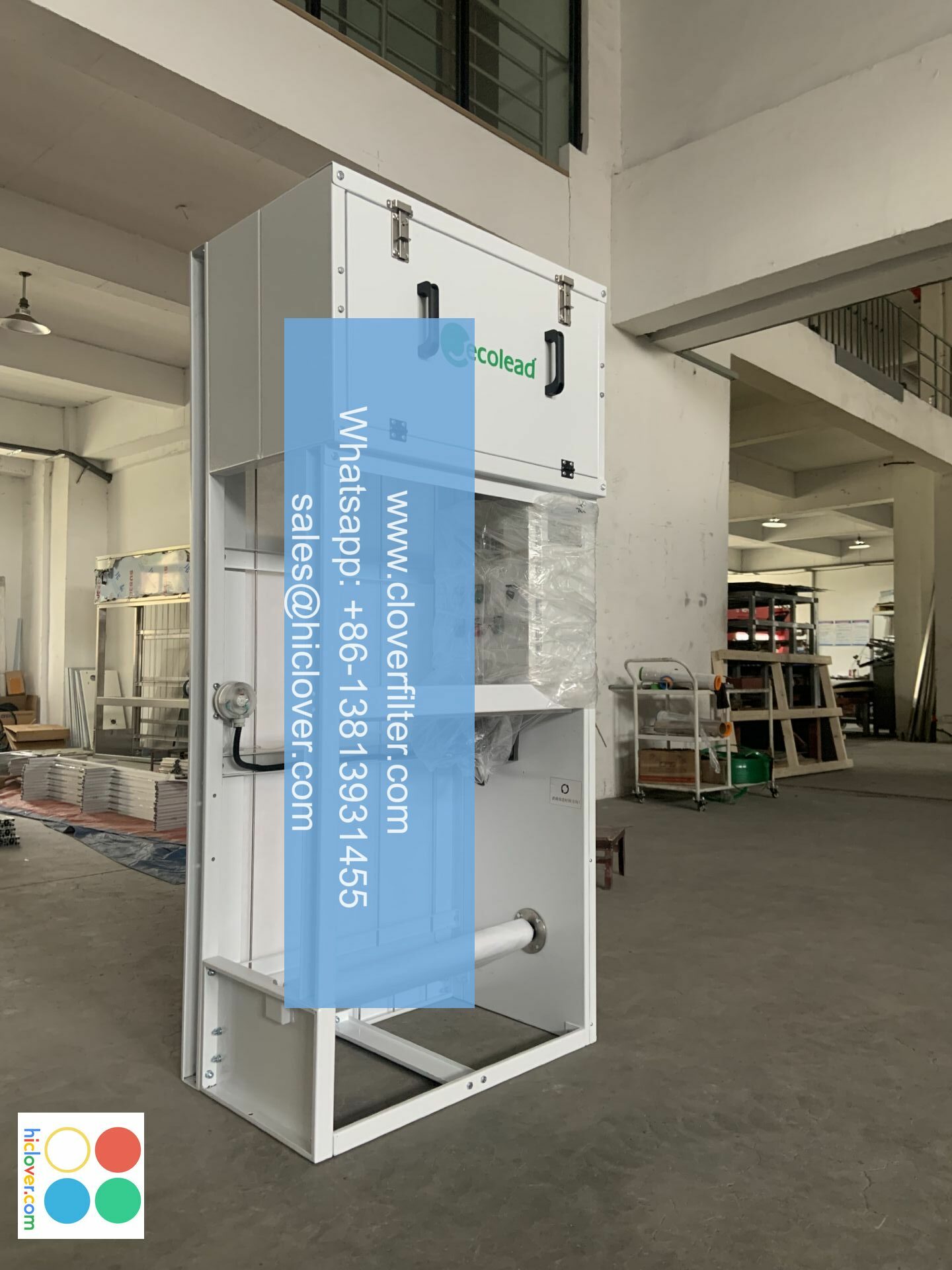
Air filter technology has advanced significantly over the years, offering a wide range of air purification solutions for various industries and applications. The primary function of an air filter is to remove airborne contaminants, such as dust, pollen, and other particles, to improve indoor air quality and prevent airborne diseases. In this article, we will delve into the different types of air filters, their filtration mechanisms, and their applications in various fields.
Type of Air Filters
There are several types of air filters available, each with its unique characteristics and filtration efficiency. Some of the most common types of air filters include:
* HEPA (High Efficiency Particulate Air) filters: These filters are designed to capture 99.97% of particles as small as 0.3 microns, making them ideal for medical facilities, laboratories, and cleanrooms.
* Activated Carbon filters: These filters use activated carbon to absorb gases and odors, making them effective in air pollution control and indoor air quality improvement.
* UV (Ultraviolet) filters: These filters use UV light to kill bacteria and viruses, making them ideal for water treatment and air disinfection applications.
* Electrostatic filters: These filters use electrostatic charges to attract and trap particles, making them effective in industrial dust collection and air purification applications.
Applications of Air Filters
Air filters have a wide range of applications in various industries, including:
* Medical facilities: Air filters are used to prevent the spread of airborne diseases and to maintain a sterile environment in operating rooms and patient rooms.
* Industrial settings: Air filters are used to remove hazardous particles and gases from the air, improving worker safety and product quality.
* Commercial buildings: Air filters are used to improve indoor air quality and to prevent the spread of airborne illnesses in offices, schools, and shopping centers.
* Residential settings: Air filters are used to improve indoor air quality and to reduce allergy symptoms in homes and apartments.
Advanced Air Filter Technologies
Recent advances in air filter technology have led to the development of smart air filters and nanofiber filters. These next-generation air filters offer improved filtration efficiency, energy efficiency, and cost-effectiveness. Some of the key features of these advanced air filters include:
* Real-time monitoring of air quality and filter performance
* Automatic filter replacement and self-cleaning mechanisms
* Integration with HVAC systems and building management systems

Conclusion
In conclusion, air filter technology has come a long way, offering a wide range of air purification solutions for various industries and applications. By understanding the different types of air filters and their filtration mechanisms, we can choose the most effective air filter solutions for our specific needs. Whether it’s for medical facilities, industrial settings, or residential settings, air filters play a critical role in improving indoor air quality and preventing airborne diseases. As air filter technology continues to evolve, we can expect to see even more advanced and efficient air filter solutions in the future. It seems like you forgot to include the prompt. Please go ahead and provide the prompt, and I’ll be happy to help!
