Air Filters in Manufacturing: The Importance of Clean Air
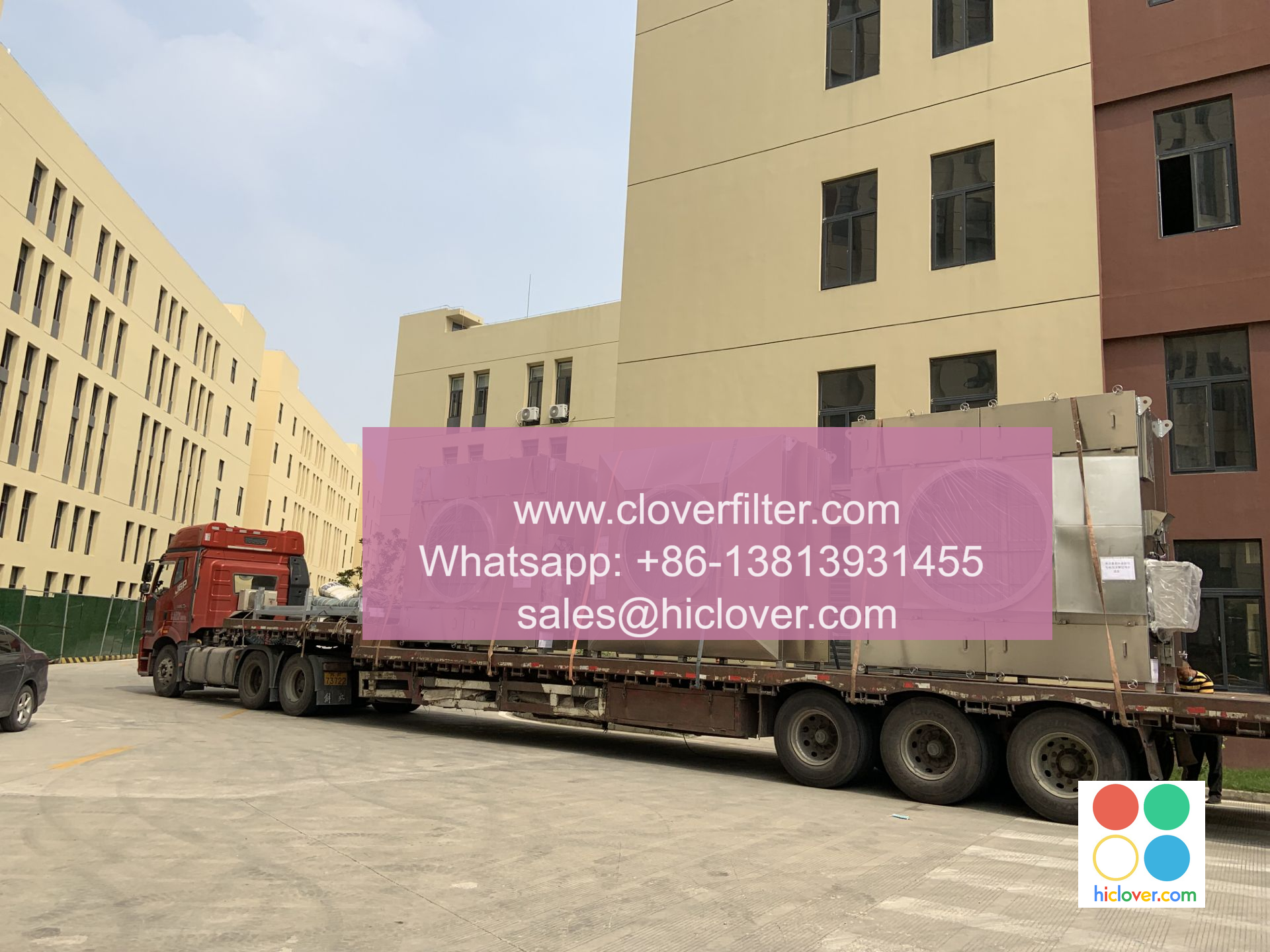
The manufacturing industry is a significant contributor to the global economy, producing a wide range of goods from food and beverages to electronics and automotive parts. However, the manufacturing process can also generate a significant amount of air pollution, which can have serious consequences for the health and safety of workers, as well as the quality of the final product. This is where air filtration systems come in, playing a crucial role in maintaining clean air and ensuring a safe working environment. In this article, we will explore the importance of industrial air filters in manufacturing, highlighting various application areas and key benefits.
The Risks of Air Pollution in Manufacturing
Air pollution in manufacturing can arise from various sources, including chemical fumes, particulate matter, and microorganisms. These airborne contaminants can cause a range of health problems, from respiratory issues and allergic reactions to cancer and other long-term health effects. Furthermore, air pollution can also compromise the quality of the final product, leading to defects and rework. To mitigate these risks, manufacturers must invest in effective air pollution control measures, including industrial air filtration systems.
Application Areas for Air Filters in Manufacturing
Air filters are used in a variety of manufacturing application areas, including:
* Food and Beverage Processing: to prevent contamination and maintain clean air in food processing areas
* Pharmaceutical Manufacturing: to prevent cross-contamination and ensure sterile conditions
* Electronics Manufacturing: to prevent static electricity and dust from damaging sensitive components
* Automotive Manufacturing: to prevent paint defects and ensure clean air in painting and coating areas
The Benefits of Air Filters in Manufacturing
The use of industrial air filters in manufacturing offers a range of benefits, including:
* Improved Indoor Air Quality: by removing airborne contaminants and maintaining clean air
* Enhanced Worker Health and Safety: by reducing the risk of respiratory issues and other health problems
* Increased Product Quality: by preventing defects and contamination
* Reduced Maintenance Costs: by minimizing the risk of equipment damage and downtime

Types of Air Filters Used in Manufacturing
There are several types of air filters used in manufacturing, including:
* HEPA Filters: to remove 99.97% of particles as small as 0.3 microns
* Activated Carbon Filters: to remove odors and chemical fumes
* Pre-Filters: to remove larger particles and extend the life of other filters
* ULPA Filters: to remove 99.999% of particles as small as 0.1 microns
Conclusion
In conclusion, air filters play a vital role in maintaining clean air and ensuring a safe working environment in manufacturing. By understanding the risks of air pollution and the benefits of industrial air filtration systems, manufacturers can take steps to protect their workers and products, while also improving indoor air quality and reducing maintenance costs. Whether it’s food and beverage processing, pharmaceutical manufacturing, or electronics manufacturing, the use of air filters is essential for ensuring a clean and healthy manufacturing environment. Prompt
