Air Filter Design for HVAC System Retrofits
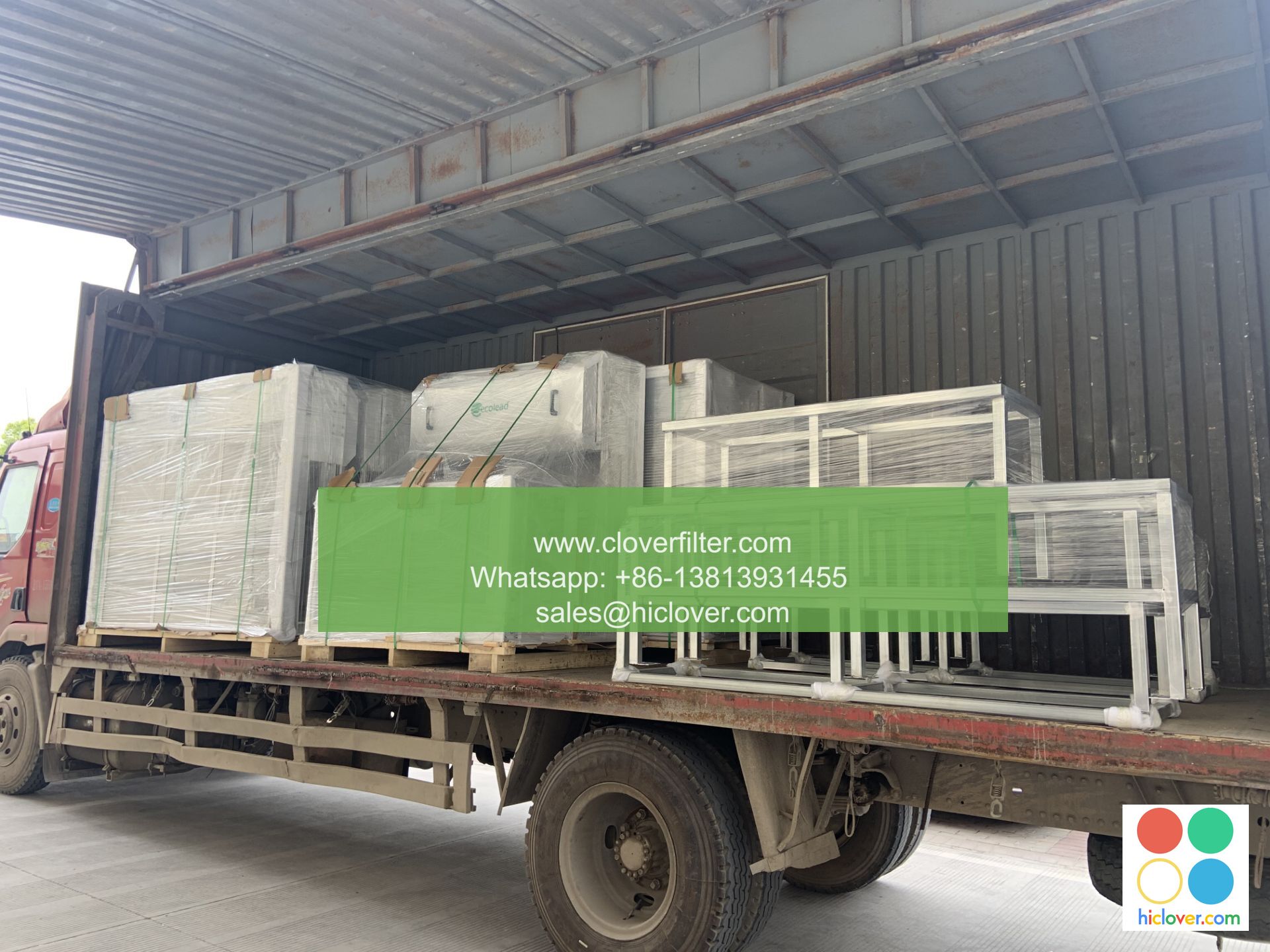
As the importance of indoor air quality (IAQ) and energy efficiency continues to grow, the design of air filters for Heating, Ventilation, and Air Conditioning (HVAC) system retrofits has become a crucial aspect of building upgrades. In this article, we will delve into the world of air filter design, discussing the key considerations, merits of high-efficiency filtration, and various application areas, including commercial buildings, industrial facilities, and residential homes.
Understanding Air Filter Design Principles
When it comes to air filter design for HVAC system retrofits, there are several principles to keep in mind. These include:
* Filter Efficiency: The ability of the filter to capture airborne particles, measured in terms of Minimum Efficiency Reporting Value (MERV) or High Efficiency Particulate Air (HEPA) ratings.
* Airflow Resistance: The pressure drop across the filter, which affects the overall energy efficiency of the HVAC system.
* Filter Media: The type of material used to filter the air, such as fiberglass, synthetic fibers, or nano-fibers.
* Filter Configuration: The physical design of the filter, including its size, shape, and mounting arrangement.
Benefits of High-Efficiency Filtration
High-efficiency air filters offer numerous benefits, including:
* Improved Indoor Air Quality: By capturing more airborne particles, high-efficiency filters can significantly reduce the concentration of pollutants and allergens in the air.
* Energy Savings: By reducing the pressure drop across the filter, high-efficiency filters can help minimize energy consumption and lower utility bills.
* Extended Equipment Life: By protecting HVAC equipment from dirty air, high-efficiency filters can help extend the lifespan of coils, fans, and other system components.
Application Areas
Air filter design for HVAC system retrofits is applicable to a wide range of industries and settings, including:
*

Commercial Buildings
: Office buildings, schools, and hospitals can benefit from high-efficiency air filters to improve IAQ and reduce energy consumption.
*
Industrial Facilities
: Manufacturing plants, warehouses, and other industrial settings can use air filters to remove airborne contaminants and protect sensitive equipment.
*
Residential Homes
: Homeowners can upgrade their HVAC systems with high-efficiency air filters to improve IAQ and reduce energy bills.
Technological Advancements
Recent technological advancements have led to the development of innovative air filter designs, including:
* Nano-Fiber Filters: These filters use nano-scale fibers to capture airborne particles with high efficiency and low pressure drop.
* Activated Carbon Filters: These filters use activated carbon to capture gases and odors, improving IAQ and reducing unpleasant smells.
* Smart Filters: These filters integrate sensors and monitoring systems to optimize filter performance and maintenance.
Conclusion
In conclusion, air filter design for HVAC system retrofits plays a vital role in enhancing indoor air quality and energy efficiency. By understanding the principles of air filter design and leveraging high-efficiency filtration technologies, building owners and operators can create healthier, more sustainable, and more energy-efficient environments. Whether in commercial buildings, industrial facilities, or residential homes, the benefits of high-efficiency air filters are clear, making them an essential component of any HVAC system retrofit. Prompt
