The Importance of Air Filtration in Aerospace Manufacturing
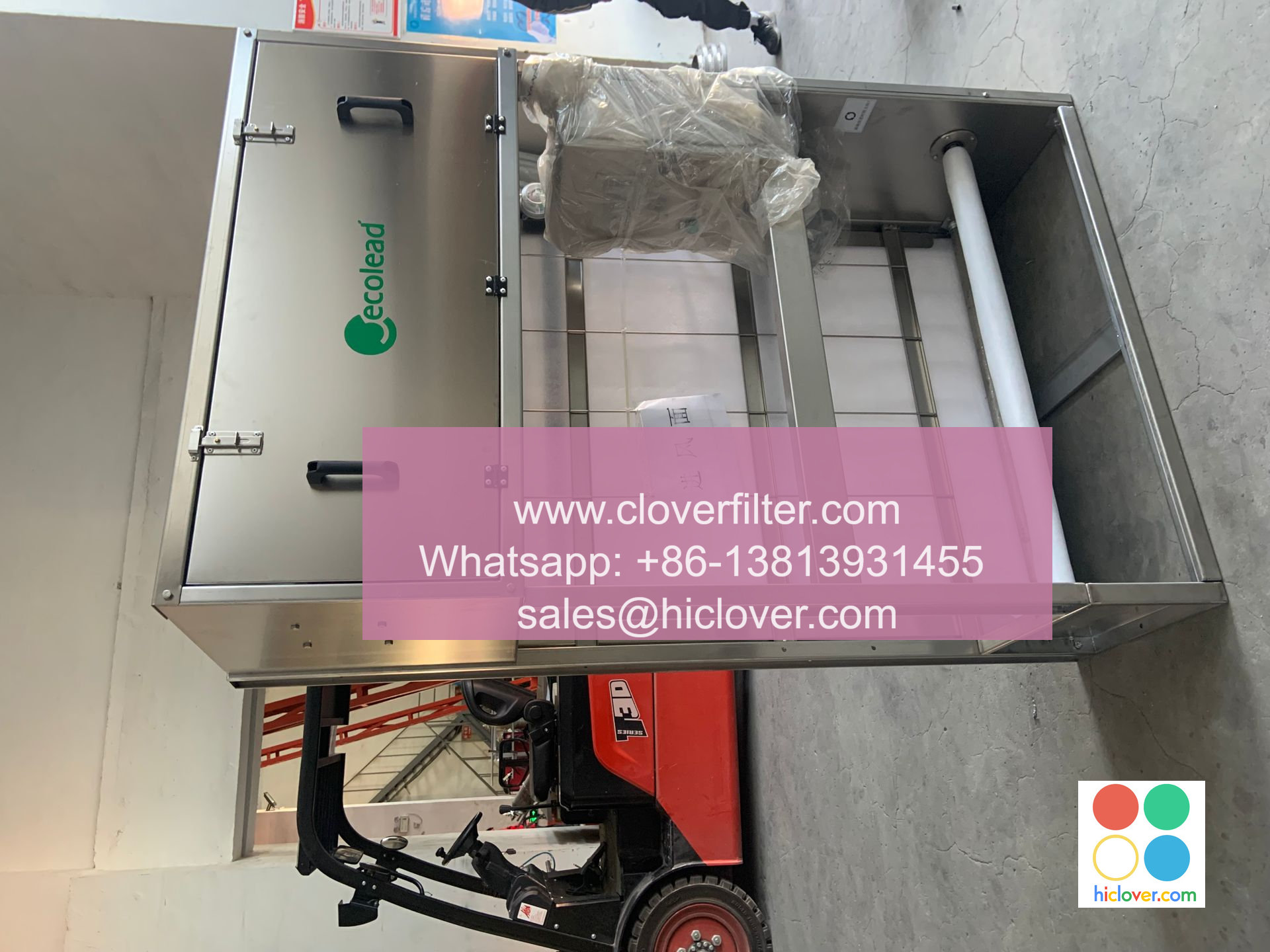
Aerospace manufacturing is a highly specialized and precise industry that requires careful attention to detail to ensure the production of high-quality aircraft and spacecraft components. One crucial aspect of this industry is air filtration, which plays a vital role in maintaining a cleanroom environment and preventing contamination of sensitive equipment and materials. In this article, we will discuss the importance of air filtration in aerospace manufacturing and highlight various application areas where it is essential.
Introduction to Air Filtration in Aerospace
Air filtration is the process of removing particulate matter, gases, and vapors from the air to create a clean and stable environment for manufacturing and assembly. In aerospace manufacturing, air filtration is critical to prevent foreign object damage (FOD) and ensure the quality and reliability of aircraft and spacecraft components. The use of high-efficiency particulate air (HEPA) filters and ultra-low particulate air (ULPA) filters is common in aerospace manufacturing to achieve the required level of air cleanliness.
Application Areas of Air Filtration in Aerospace
Air filtration is essential in various application areas of aerospace manufacturing, including:
* Cleanroom assembly: Air filtration is crucial in cleanroom environments where sensitive equipment and materials are assembled. The use of HEPA and ULPA filters helps to prevent contamination and ensure the quality of the final product.
* Painting and coating: Air filtration is necessary in painting and coating processes to prevent particulate contamination and ensure a smooth, even finish.
* Composites manufacturing: Air filtration is critical in composites manufacturing to prevent foreign object damage and ensure the quality of composite materials.
* Electronics assembly: Air filtration is essential in electronics assembly to prevent static electricity and particulate contamination of sensitive electronic components.
* Aerospace research and development: Air filtration is necessary in research and development facilities to create a controlled environment for testing and experimentation.
Benefits of Air Filtration in Aerospace Manufacturing
The use of air filtration in aerospace manufacturing offers several benefits, including:
* Improved product quality: Air filtration helps to prevent contamination and ensure the quality of aircraft and spacecraft components.
* Increased efficiency: Air filtration reduces downtime and increases productivity by minimizing the risk of contamination and foreign object damage.
* Reduced costs: Air filtration helps to reduce costs associated with rework, repair, and replacement of damaged components.
* Enhanced safety: Air filtration creates a safe working environment for employees by reducing the risk of inhalation hazards and explosive atmospheres.

Conclusion
In conclusion, air filtration is a critical component of aerospace manufacturing, and its importance cannot be overstated. The use of HEPA and ULPA filters, as well as other air filtration technologies, is essential to create a clean and stable environment for manufacturing and assembly. By highlighting various application areas and benefits of air filtration, we hope to emphasize the need for effective air filtration systems in aerospace manufacturing to ensure the quality and reliability of aircraft and spacecraft components.
