Understanding the Importance of Air Filtration in Minnesota’s 3M Facilities
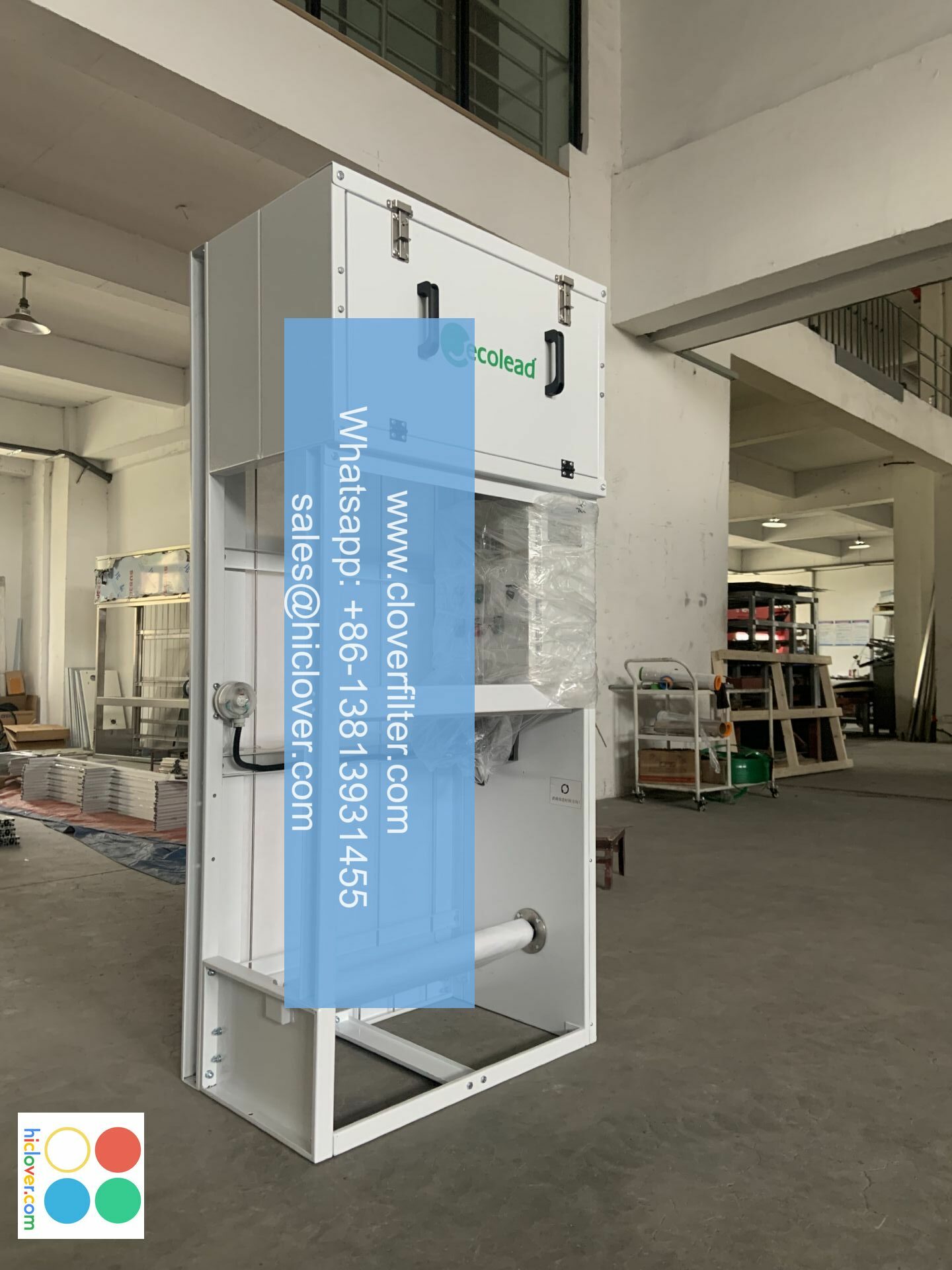
Minnesota, being the home of the renowned 3M company, is a hub for industrial and manufacturing activities. The 3M facilities in Minnesota are known for producing a wide range of products, from adhesives and abrasives to electronic materials and healthcare products. However, the manufacturing processes involved in these facilities can generate various types of airborne contaminants, making air filtration a crucial aspect of maintaining a safe and healthy work environment.
Types of Airborne Contaminants in 3M Facilities
The 3M facilities in Minnesota can be exposed to various types of airborne contaminants, including particulate matter (PM), gases and vapors, and microorganisms. These contaminants can arise from different sources, such as chemical reactions, welding and cutting processes, and indoor air pollution. If not properly controlled, these contaminants can pose serious health risks to workers, including respiratory problems, allergic reactions, and other occupational diseases.
Application Areas of Air Filtration in 3M Facilities
Air filtration plays a vital role in various application areas within 3M facilities, including:
* Cleanrooms and laboratories: Where high-efficiency particulate air (HEPA) filters are used to maintain ultra-clean environments and prevent contamination of sensitive products and equipment.
* Manufacturing processes: Where air purifiers and dust collectors are used to capture particulate matter and gases generated during welding, cutting, and grinding operations.
* Worker health and safety: Where respiratory protection and personal air purifiers are used to protect workers from inhalation hazards and other airborne contaminants.
* Indoor air quality (IAQ) control: Where air filtration systems are used to maintain good indoor air quality and prevent indoor air pollution in office spaces, break rooms, and other occupied areas.
Benefits of Effective Air Filtration in 3M Facilities
Effective air filtration in 3M facilities can have numerous benefits, including:
* Improved worker health and safety: By reducing exposure to airborne contaminants and minimizing the risk of occupational diseases.
* Increased productivity: By maintaining a healthy and comfortable work environment and reducing absenteeism and workers’ compensation claims.
* Reduced maintenance and repair costs: By preventing equipment damage and extended downtime due to airborne contamination.
* Enhanced product quality and yield: By maintaining ultra-clean environments and preventing contamination of sensitive products and equipment.
In conclusion, air filtration is a critical aspect of maintaining a safe and healthy work environment in Minnesota’s 3M facilities. By understanding the importance of air filtration and implementing effective air purification systems, 3M can minimize the risks associated with airborne contaminants, improve worker health and safety, and maintain a competitive edge in the industry.

