The Importance of Filtration in Meta Data Centers: A Focus on Iowa
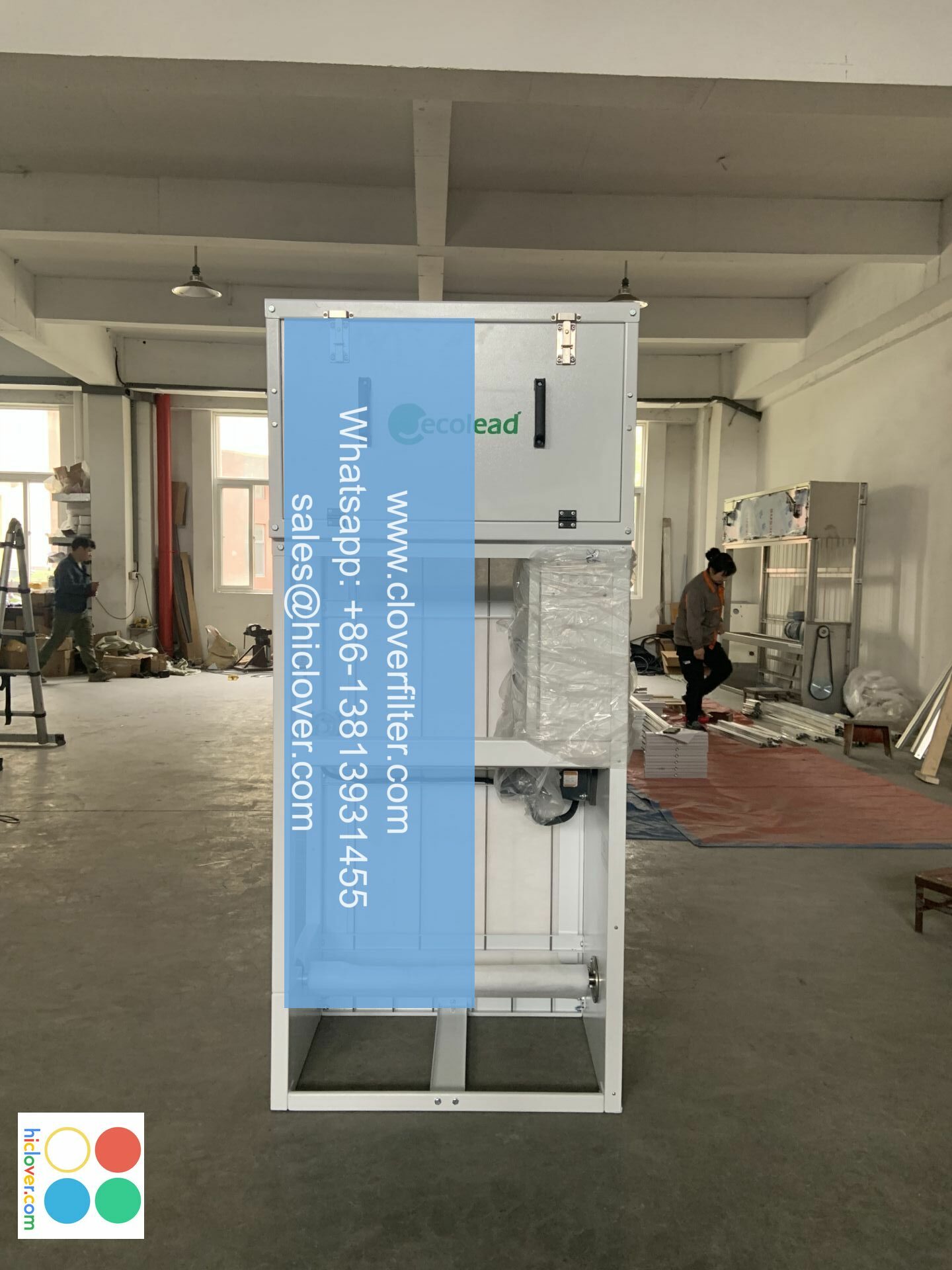
As the world becomes increasingly digital, the demand for data storage and processing has skyrocketed, leading to the construction of massive Meta data centers across the globe. Iowa, with its favorable business climate and abundant resources, has become a hub for these facilities. However, the operation of these data centers poses significant environmental and health challenges, making filtration systems a crucial component in maintaining efficiency, reliability, and sustainability.
Introduction to Meta Data Centers

Meta data centers are large-scale facilities designed to store, process, and distribute vast amounts of data. These centers are the backbone of the digital economy, supporting cloud computing, social media, e-commerce, and other online services. Iowa’s data center landscape is characterized by the presence of major players like Facebook, Google, and Microsoft, which have invested heavily in the region.
The Role of Filtration in Data Centers
Filtration plays a vital role in ensuring the smooth operation of Meta data centers. The primary function of air filtration systems is to remove airborne contaminants, such as dust, pollen, and other particles, that can damage sensitive electronic equipment. Water filtration systems, on the other hand, are used to purify water used for cooling systems, which helps to prevent corrosion and scaling.
Key Applications of Filtration in Data Centers
- Air Quality Control: HEPA filters and ULPA filters are used to maintain high air quality, reducing the risk of equipment damage and ensuring a reliable operating environment.
- Cooling Systems: Water treatment and filtration systems are essential for preventing corrosion and scaling in cooling systems, which helps to maintain efficiency and reduce downtime.
- Humidity Control: Dehumidification systems and humidity control filters are used to regulate humidity levels, preventing condensation and ensuring optimal operating conditions.
- Wastewater Treatment: Wastewater filtration systems are used to treat and recycle wastewater, reducing the environmental impact of data center operations.
- Improved Reliability: Reduced downtime and extended equipment lifespan
- Increased Efficiency: Optimized cooling systems and reduced energy consumption
- Enhanced Sustainability: Reduced water consumption and wastewater generation
- Better Indoor Air Quality: Improved working conditions and reduced health risks for personnel
Benefits of Effective Filtration in Meta Data Centers
Effective filtration in Meta data centers offers numerous benefits, including:
Case Study: Iowa’s Data Center Landscape
Iowa’s data center landscape is characterized by a strong focus on sustainability and environmental responsibility. For example, Facebook’s data center in Altoona, Iowa, features a state-of-the-art air filtration system and a water treatment system that enables the facility to achieve a Power Usage Effectiveness (PUE) of 1.06, making it one of the most efficient data centers in the world.
Conclusion
In conclusion, filtration plays a critical role in ensuring the efficient, reliable, and sustainable operation of Meta data centers in Iowa. By implementing effective air filtration systems, water filtration systems, and wastewater treatment systems, data center operators can reduce downtime, improve indoor air quality, and minimize their environmental footprint. As the demand for data storage and processing continues to grow, the importance of filtration in Meta data centers will only continue to increase, making it essential for data center operators to invest in high-quality filtration solutions.
