The Importance of Air Filtration in Electronics Manufacturing
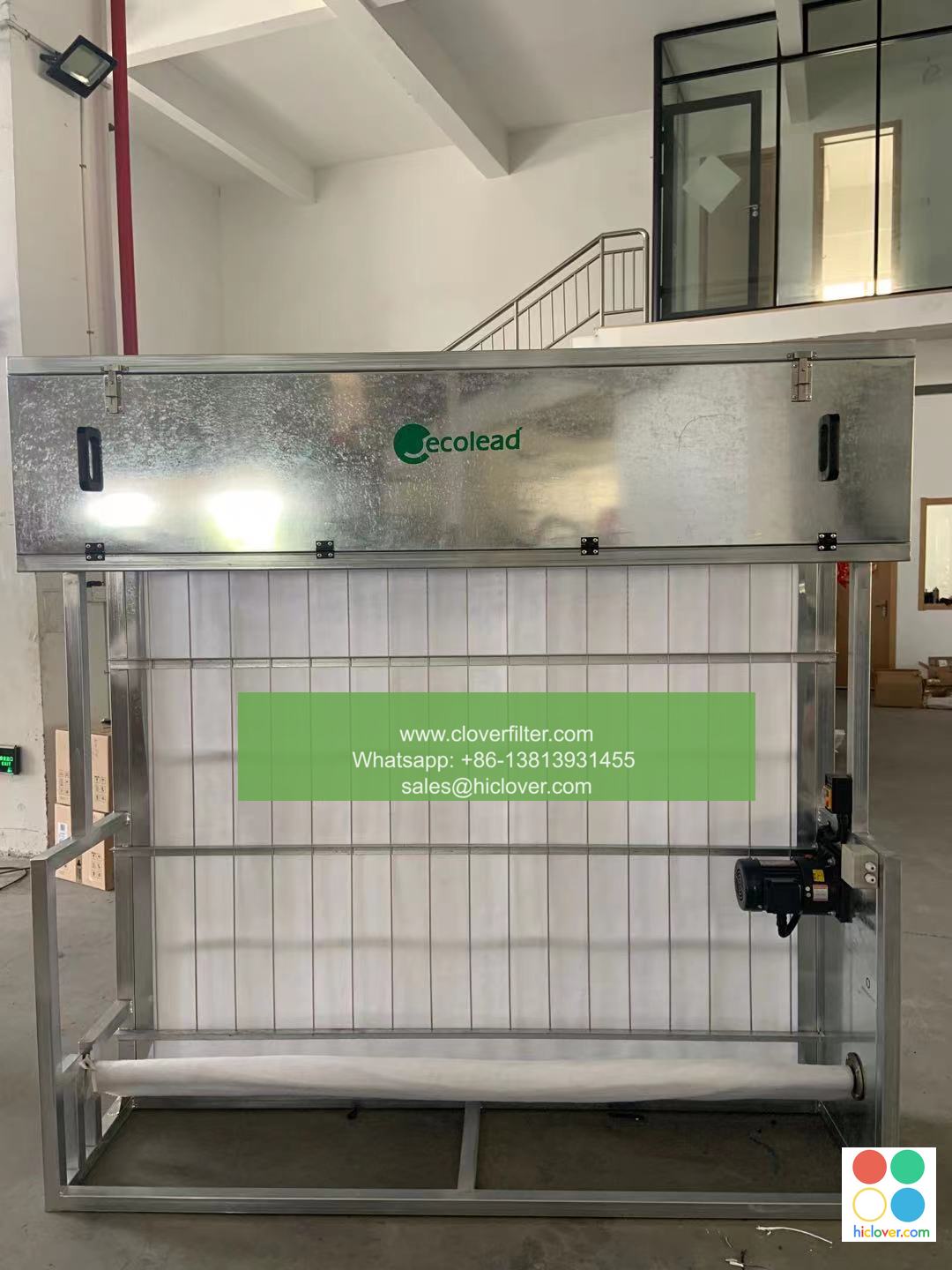
In the electronics manufacturing industry, maintaining a clean and controlled environment is crucial to ensure the production of high-quality products. One of the key factors in achieving this is through the use of air filtration systems. In this article, we will discuss the importance of air purification in electronics manufacturing, highlighting various application areas and the benefits of air filtration in this industry.
Introduction to Air Filtration in Electronics Manufacturing
The electronics manufacturing process involves the production of semiconductors, printed circuit boards (PCBs), and other electronic components. These products require a high level of precision and cleanliness to function properly. Airborne contaminants such as dust, particulate matter, and chemical vapors can damage these products and compromise their performance. Therefore, it is essential to use air filtration systems to remove these contaminants and maintain a cleanroom environment.
Benefits of Air Filtration in Electronics Manufacturing
The use of air filtration systems in electronics manufacturing offers several benefits, including:
* Improved product yield: By removing airborne contaminants, air filtration systems can help reduce the number of defective products and improve overall product yield.
* Increased product reliability: Air filtration systems can help prevent electronic components from being damaged by airborne contaminants, resulting in more reliable products.
* Reduced maintenance costs: By maintaining a cleanroom environment, air filtration systems can help reduce the need for maintenance and repair of electronic equipment.
* Enhanced worker safety: Air filtration systems can help remove hazardous chemicals and particulate matter from the air, creating a safer working environment for employees.
Application Areas of Air Filtration in Electronics Manufacturing
Air filtration systems are used in various application areas in electronics manufacturing, including:
* Wafer fabrication: Air filtration systems are used to maintain a cleanroom environment during the wafer fabrication process.
* PCB assembly: Air filtration systems are used to remove airborne contaminants during the PCB assembly process.
* Semiconductor manufacturing: Air filtration systems are used to maintain a cleanroom environment during the semiconductor manufacturing process.
* Electronic component manufacturing: Air filtration systems are used to remove airborne contaminants during the electronic component manufacturing process.

Types of Air Filtration Systems Used in Electronics Manufacturing
There are several types of air filtration systems used in electronics manufacturing, including:
* HEPA filters: HEPA filters are used to remove particulate matter and airborne contaminants from the air.
* ULPA filters: ULPA filters are used to remove ultra-fine particulate matter and airborne contaminants from the air.
* Activated carbon filters: Activated carbon filters are used to remove chemical vapors and odors from the air.
* Ionizers: are used to remove static electricity and airborne contaminants from the air.
Conclusion
In conclusion, air filtration systems play a critical role in electronics manufacturing by maintaining a cleanroom environment and removing airborne contaminants. The use of air filtration systems offers several benefits, including improved product yield, increased product reliability, reduced maintenance costs, and enhanced worker safety. By understanding the importance of air filtration in electronics manufacturing and the various application areas and types of air filtration systems used, manufacturers can take steps to improve their production processes and produce high-quality products.
