Air Filter Design for Pharmaceutical Manufacturing
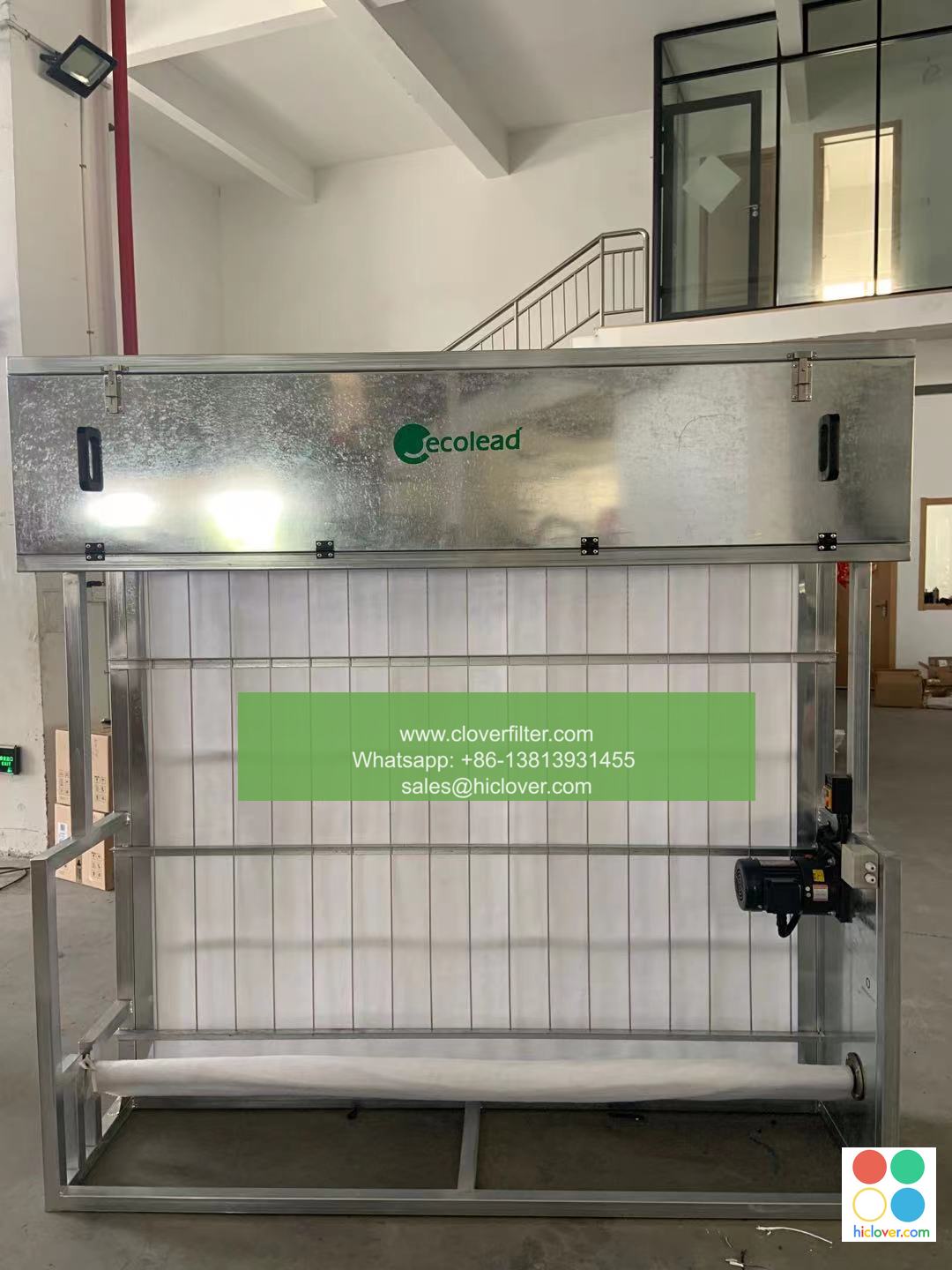
Pharmaceutical manufacturing requires a controlled environment to prevent contamination and ensure the quality of products. Air filter design plays a crucial role in maintaining the cleanliness and efficiency of these facilities. In this article, we will explore the importance of air filter design in pharmaceutical manufacturing, highlighting various application areas and discussing key considerations such as HEPA filtration, ultra-low penetration air (ULPA) filtration, and cleanroom technology.
Introduction to Air Filter Design in Pharmaceutical Manufacturing
Pharmaceutical manufacturing facilities require advanced air filtration systems to prevent contamination from airborne particles, microbes, and other contaminants. The design of air filters in these facilities must take into account factors such as airflow rates, filter efficiency, and pressure drop to ensure optimal performance. High-efficiency particulate air (HEPA) filters and ULPA filters are commonly used in pharmaceutical manufacturing to capture particles as small as 0.3 microns and 0.1 microns, respectively.
Application Areas for Air Filter Design in Pharmaceutical Manufacturing
Air filter design is critical in various application areas of pharmaceutical manufacturing, including:
* Cleanrooms: Cleanrooms require highly efficient air filtration systems to maintain a controlled environment with minimal contamination.
* Production areas: Production areas, such as those used for parenteral manufacture and oral solid dosage form production, require air filtration systems that can capture particles and prevent contamination.
* Quality control laboratories: Quality control laboratories require air filtration systems that can maintain a controlled environment and prevent contamination during testing and analysis.
* Research and development areas: Research and development areas require air filtration systems that can maintain a controlled environment and prevent contamination during the development of new pharmaceutical products.
Key Considerations for Air Filter Design in Pharmaceutical Manufacturing
When designing air filters for pharmaceutical manufacturing, several key considerations must be taken into account, including:
* Filter efficiency: The filter efficiency required for pharmaceutical manufacturing is typically very high, with HEPA filters and ULPA filters being commonly used.
* Airflow rates: Airflow rates must be carefully designed to ensure that the air filtration system can provide adequate ventilation and prevent contamination.
* Pressure drop: Pressure drop must be minimized to ensure that the air filtration system can operate efficiently and effectively.
* Material compatibility: The materials used in air filter design must be compatible with the pharmaceutical products being manufactured and must not introduce any contaminants into the process.

Conclusion
In conclusion, air filter design is a critical component of pharmaceutical manufacturing, and HEPA filtration, ULPA filtration, and cleanroom technology play important roles in maintaining the cleanliness and efficiency of these facilities. By understanding the key considerations and application areas for air filter design in pharmaceutical manufacturing, facility managers and designers can create effective air filtration systems that ensure the quality and safety of pharmaceutical products. It seems like you forgot to include the prompt. Please go ahead and provide one, and I’ll be happy to help!
