The Pros and Cons of Activated Carbon Filter Parts
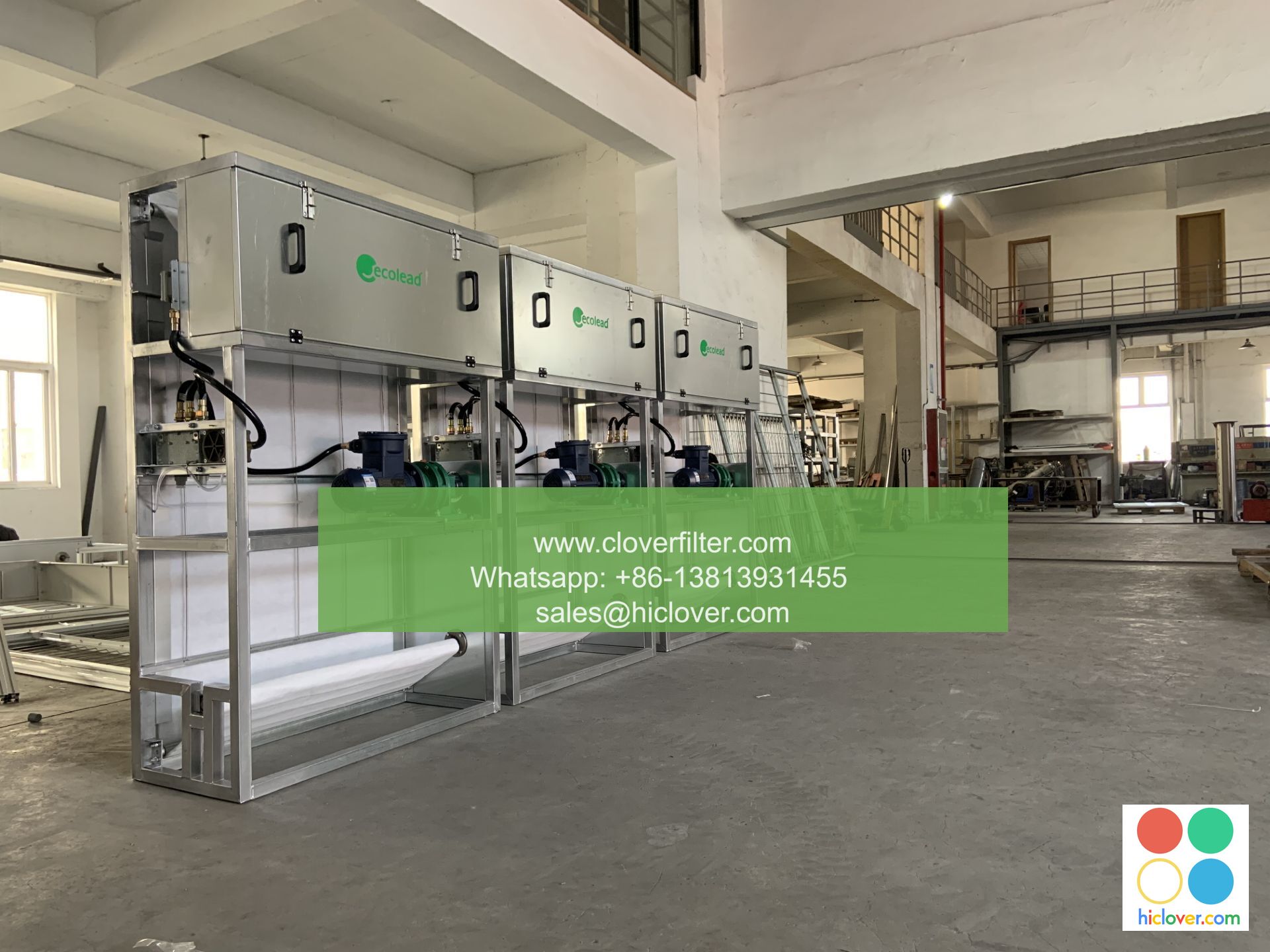
Activated carbon filter parts have become a crucial component in various filtration systems, offering a range of benefits and drawbacks. In this article, we will delve into the advantages and disadvantages of activated carbon filter parts, exploring their applications in water purification, air filtration, and industrial processes.
Pros of Activated Carbon Filter Parts
The use of activated carbon filter parts offers several benefits, including:
* Effective contaminant removal: Activated carbon is highly effective in removing impurities, such as chlorine, lead, and volatile organic compounds (VOCs), from water and air.
* Improved taste and odor: Activated carbon filters can significantly enhance the taste and odor of water, making it more palatable for consumption.
* Long-lasting and cost-effective: Activated carbon filter parts can last for an extended period, reducing the need for frequent replacements and making them a cost-effective option.
* Wide range of applications: Activated carbon filters can be used in various industries, including water treatment, air purification, chemical processing, and pharmaceutical manufacturing.
Cons of Activated Carbon Filter Parts
While activated carbon filter parts offer several advantages, there are also some drawbacks to consider:
* Limited effectiveness against certain contaminants: Activated carbon filters may not be effective in removing all types of contaminants, such as nitrates, fluoride, and heavy metals.
* Potential for channeling and bypassing: If not properly installed or maintained, activated carbon filter parts can allow contaminants to bypass the filter, reducing its effectiveness.
* Regeneration requirements: Activated carbon filters may require periodic regeneration to maintain their effectiveness, which can be time-consuming and costly.
* Environmental concerns: The production and disposal of activated carbon filter parts can have environmental implications, such as carbon footprint and waste generation.
Applications of Activated Carbon Filter Parts
Activated carbon filter parts have a wide range of applications, including:
* Drinking water systems: Activated carbon filters are commonly used in home water filtration systems and community water treatment plants to remove impurities and improve water quality.
* Air purification systems: Activated carbon filters are used in air purifiers and HVAC systems to remove odors, gases, and particulate matter from the air.
* Industrial processes: Activated carbon filters are used in various industrial applications, such as chemical processing, pharmaceutical manufacturing, and food processing, to remove impurities and improve product quality.

Conclusion
In conclusion, activated carbon filter parts offer several benefits, including effective contaminant removal, improved taste and odor, and long-lasting performance. However, they also have some drawbacks, such as limited effectiveness against certain contaminants and potential environmental concerns. By understanding the pros and cons of activated carbon filter parts and their various applications, individuals and industries can make informed decisions about their use and maintenance, ultimately improving the quality of water, air, and industrial processes. Prompt
