Automated Air Filtration Systems for Nanotech Cleanrooms: An Overview
The nanotechnology industry requires precise control over the environment to ensure the quality and reliability of its products. One critical aspect of this control is maintaining ultra-clean air quality, which is where automated air filtration systems come into play. In this article, we’ll delve into the world of HEPA filtration, ULPA filtration, and other advanced technologies that keep nanotech cleanrooms contaminant-free.
Introduction to Cleanroom Air Filtration
Cleanrooms are controlled environments that minimize airborne contaminants, such as dust, bacteria, and other particles. In nanotech cleanrooms, the stakes are higher due to the tiny size of the materials being worked with. Even the smallest particles can cause significant problems, making air filtration systems a crucial component of these facilities. Automated air filtration systems utilize advanced filtration technologies, including HEPA (High Efficiency Particulate Air) and ULPA (Ultra Low Penetration Air) filters, to remove 99.97% of particles as small as 0.3 microns.
Key Components of Automated Air Filtration Systems
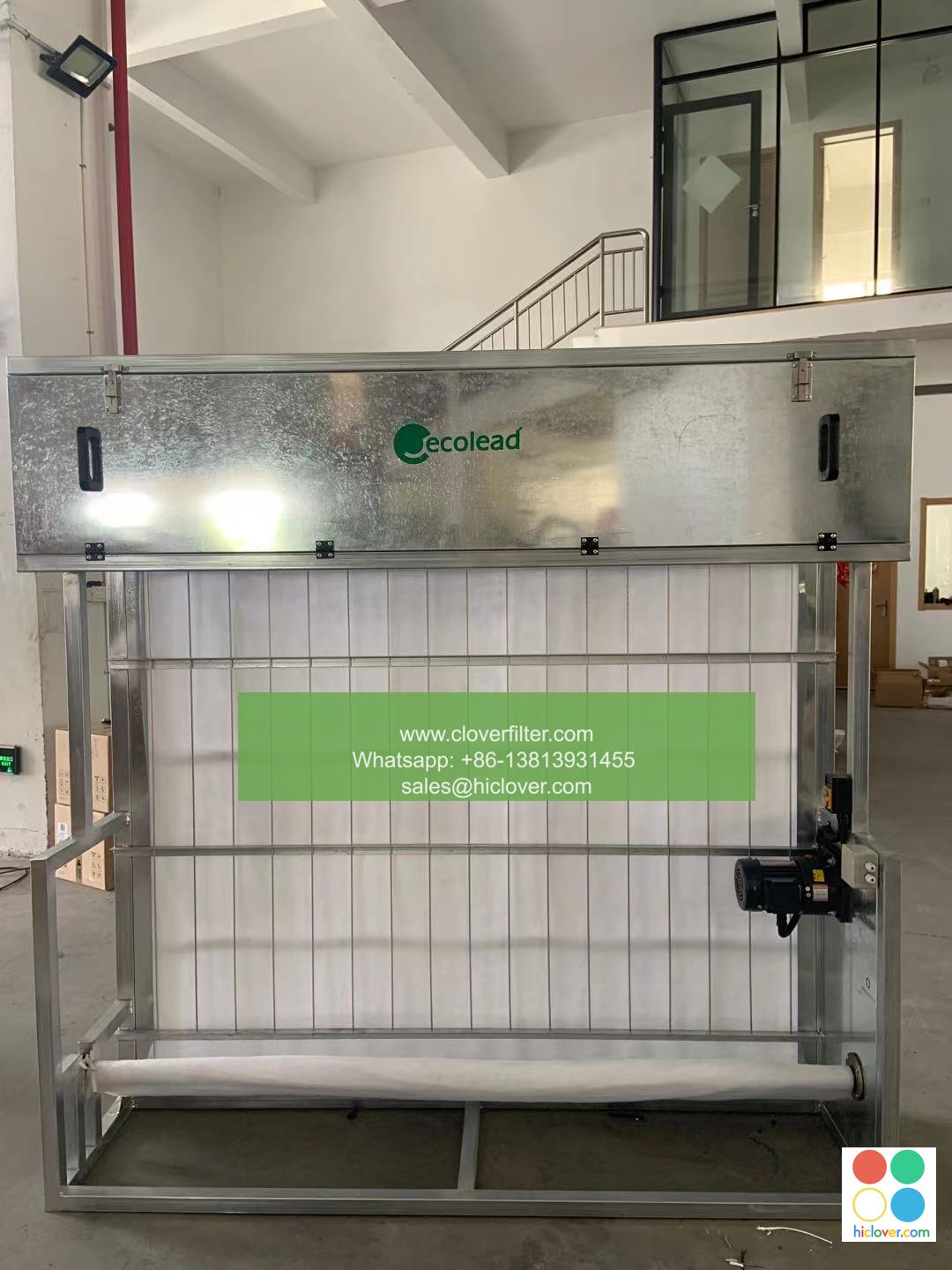
Automated air filtration systems for nanotech cleanrooms typically consist of several key components, including:
- Air handlers: These units condition and circulate the air within the cleanroom, ensuring a consistent flow of filtered air.
- HEPA filters: These filters capture 99.97% of particles as small as 0.3 microns, making them ideal for cleanroom applications.
- ULPA filters: These filters offer even higher efficiency, capturing 99!99% of particles as small as 0.12 microns.
- Airflow control systems: These systems regulate airflow rates, direction, and pressure to maintain optimal cleanroom conditions.
- Wafer fabrication: The production of semiconductor wafers requires an extremely clean environment to prevent contamination.
- Nano electronics: The manufacturing of nanoscale electronic components demands precise control over airborne contaminants.
- Biotechnology: Cleanrooms are used in biotech research and production to prevent contamination and ensure the quality of biological materials.
- Pharmaceuticals: Automated air filtration systems are used in pharmaceutical cleanrooms to prevent contamination and ensure the quality of medicinal products.
- Improved product quality: By minimizing airborne contaminants, automated air filtration systems help ensure the quality and reliability of nanotech products.
- Increased yield: Reduced contamination rates result in higher yields and lower production costs.
- Enhanced safety: Automated air filtration systems help prevent the spread of airborne hazards, creating a safer working environment.
- Regulatory compliance: Automated air filtration systems can help facilities meet or exceed regulatory requirements for cleanroom air quality.
Application Areas for Automated Air Filtration Systems
Automated air filtration systems are used in a variety of nanotech cleanroom applications, including:
Benefits of Automated Air Filtration Systems
The implementation of automated air filtration systems in nanotech cleanrooms offers numerous benefits, including:
Conclusion
In conclusion, automated air filtration systems are a vital component of nanotech cleanrooms, providing a reliable and efficient means of maintaining ultra-clean air quality. By leveraging advanced filtration technologies, including HEPA filtration and ULPA filtration, these systems help ensure the quality and reliability of nanotech products, while also enhancing safety and regulatory compliance. As the nanotechnology industry continues to evolve, the importance of automated air filtration systems will only continue to grow, making them an essential investment for any facility seeking to maintain a competitive edge.
