Air Filter Applications in Environmental Monitoring
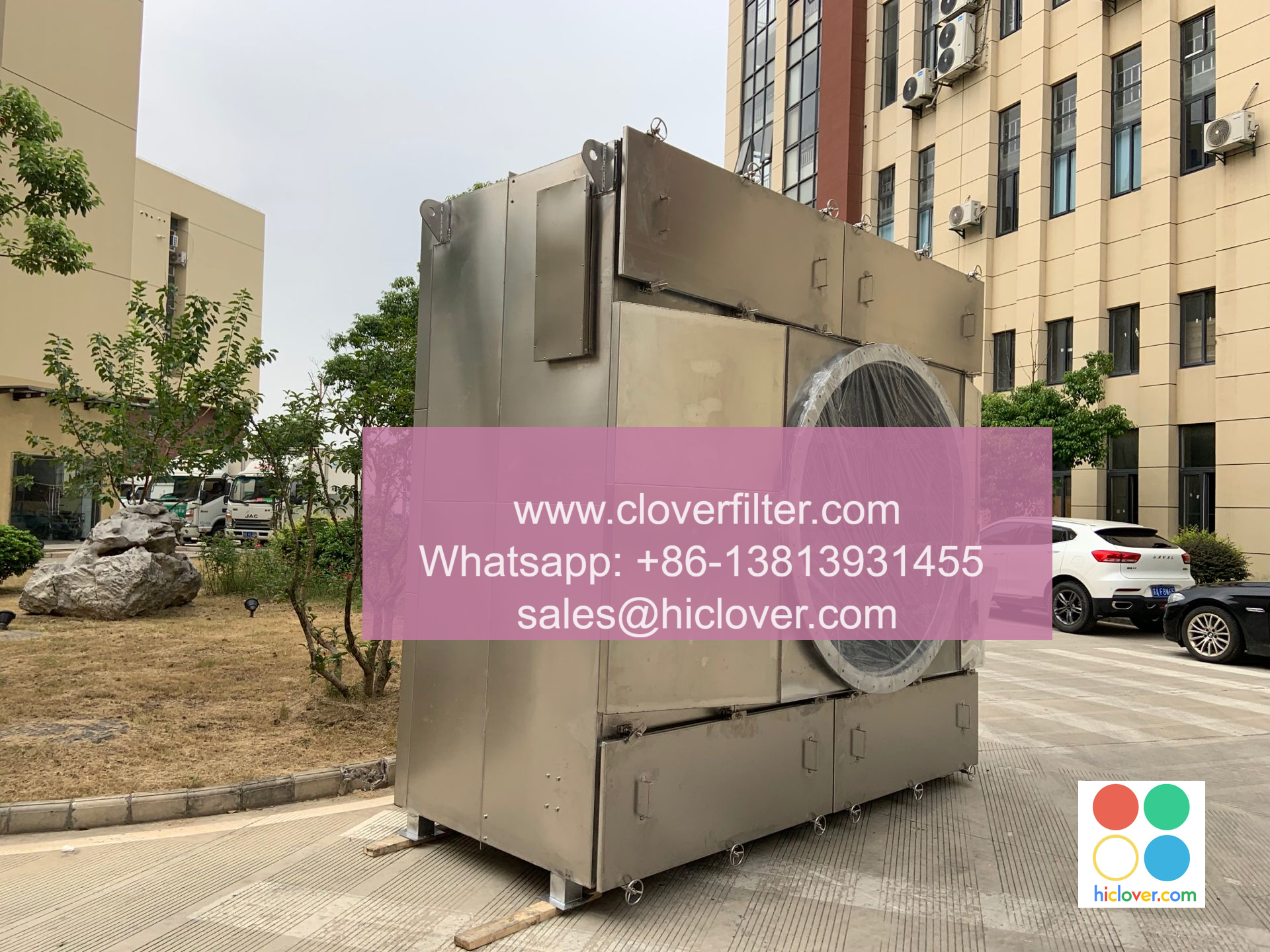
Air filters play a vital role in environmental monitoring, serving as a crucial tool for maintaining clean air quality and mitigating the effects of pollution. The application of air filters in environmental monitoring is diverse, ranging from indoor air quality (IAQ) management to outdoor air pollution control. In this article, we will delve into the various application areas of air filters in environmental monitoring, highlighting their importance and key benefits in ensuring a healthy and sustainable environment.
Indoor Air Quality (IAQ) Management
Air filters are essential for maintaining good IAQ in buildings and homes. They help to remove particulate matter (PM), volatile organic compounds (VOCs), and other gaseous pollutants from the air, creating a healthier indoor environment. The use of high-efficiency particulate air (HEPA) filters and activated carbon filters is particularly effective in removing fine particles (PM2.5) and nitrogen dioxide (NO2), which are common indoor air pollutants.
Outdoor Air Pollution Control
Air filters are also used in outdoor air pollution control, where they help to mitigate the effects of air pollution on the environment and human health. PM2.5 filters and NO2 filters are used to remove particulate matter and nitrogen dioxide from the air, reducing the negative impacts of air pollution on respiratory health and cardiovascular health. Additionally, odor control filters are used to remove volatile organic compounds (VOCs) and other malodorous substances from the air, improving outdoor air quality.
Industrial Air Filtration
In industrial settings, air filters play a critical role in maintaining clean air and preventing air pollution. Dust collection filters and fume extraction filters are used to remove particulate matter and gaseous pollutants from the air, reducing the risks of respiratory diseases and explosions. Additionally, gas phase filtration is used to remove hazardous air pollutants (HAPs) and other gaseous substances from the air, ensuring a safer working environment.

Transportation Air Filtration
Air filters are also used in transportation systems, including cars, buses, and trains. Cabin air filters and engine air filters are used to remove particulate matter and gaseous pollutants from the air, improving indoor air quality and reducing the risks of respiratory diseases. Additionally, exhaust gas filters are used to remove particulate matter and gaseous pollutants from exhaust gases, reducing air pollution and mitigating its negative impacts on the environment and human health.
Conclusion
In conclusion, air filters play a vital role in environmental monitoring, serving as a critical component for maintaining clean air quality and mitigating the effects of pollution. The application of air filters in indoor air quality management, outdoor air pollution control, industrial air filtration, and transportation air filtration highlights their importance and key benefits in ensuring a healthy and sustainable environment. By using air filters, we can reduce the risks of respiratory diseases, cardiovascular diseases, and other health problems associated with air pollution, creating a better future for ourselves and future generations. It seems like you forgot to include the prompt. Please go ahead and provide the prompt, and I’ll be happy to help!
