California Regulations for Air Filtration in JPL Facilities
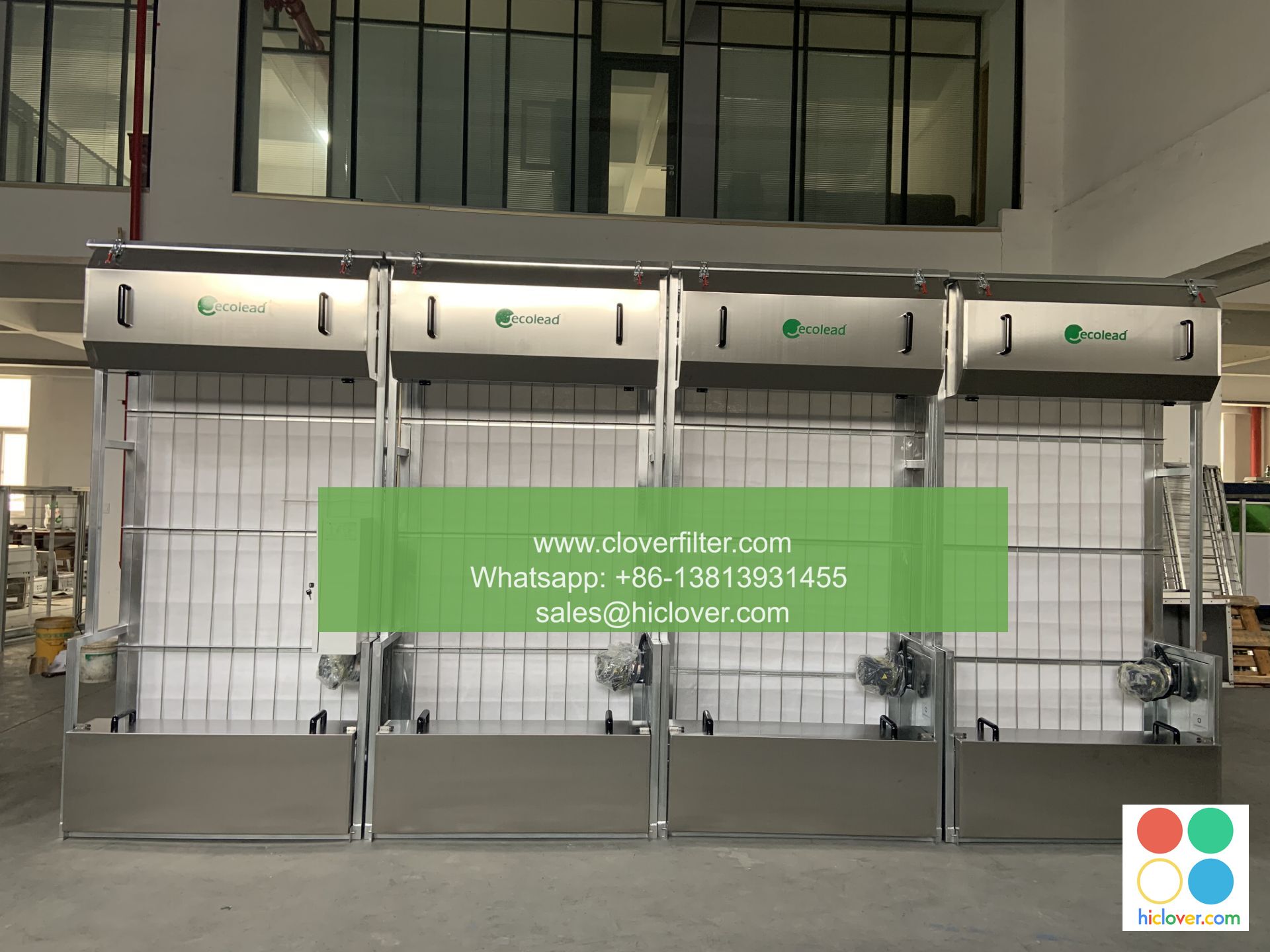
The Jet Propulsion Laboratory (JPL) facilities in California are subject to stringent air filtration regulations to ensure a safe and healthy working environment for employees. These regulations, enforced by the California Occupational Safety and Health Administration (Cal/OSHA) and the South Coast Air Quality Management District (AQMD), aim to minimize exposure to airborne pollutants and maintain indoor air quality (IAQ).
Airborne Contaminants and Hazards in JPL Facilities
JPL facilities, being a hub for aerospace engineering and scientific research, involve various processes that generate airborne contaminants, such as particulate matter (PM), volatile organic compounds (VOCs), and hazardous air pollutants (HAPs). These contaminants can emanate from laboratory equipment, cleanroom operations, and manufacturing processes, posing health risks to employees.
Air Filtration System Requirements
To mitigate these risks, California regulations mandate the installation and maintenance of effective air filtration systems in JPL facilities. These systems must be designed to capture 99.97% of particles as small as 0.3 microns, including HEPA filters and ultra-low penetration air (ULPA) filters. The systems must also be equipped with humidity control and temperature control mechanisms to maintain optimal indoor environmental conditions.
Applications and Implementation of Air Filtration in JPL Facilities
The implementation of air filtration systems in JPL facilities has various application areas, including:
* Cleanrooms: maintaining class 1000 to class 100,000 cleanliness levels to prevent contamination of sensitive equipment and experiments.
* Laboratories: controlling chemical fumes and biological agents to ensure a safe working environment for researchers.
* Manufacturing areas: minimizing particle emission from machining operations and welding processes.
* Office spaces: maintaining good indoor air quality to promote employee health and productivity.

Compliance and Enforcement of California Regulations
JPL facilities must comply with California regulations, including Cal/OSHA Title 8 and AQMD Rule 1403, which dictate the minimum requirements for air filtration systems and IAQ monitoring. Regular inspections and audits are conducted by regulatory agencies to ensure compliance, and penalties may be imposed for non-compliance.
In conclusion, California regulations for air filtration in JPL facilities are designed to protect employees from airborne contaminants and maintain a safe and healthy working environment. By implementing effective air filtration systems and complying with regulatory requirements, JPL facilities can ensure a safe and productive work environment for their employees.
