How Air Filter Performance Affects Your Work Environment
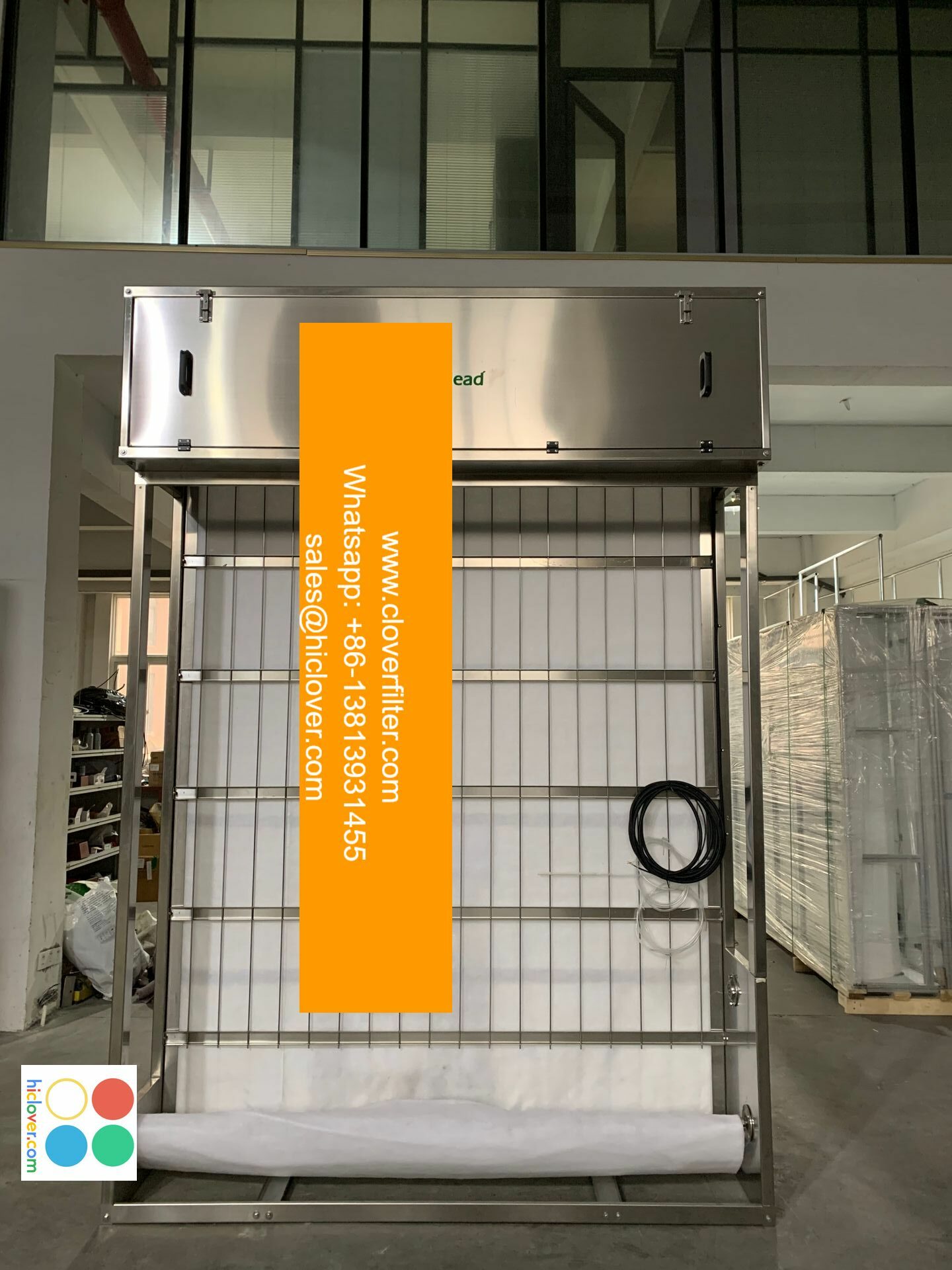
The quality of indoor air is a critical aspect of any work environment, and air filter performance plays a vital role in maintaining a healthy and comfortable space for employees. In this article, we will explore the impact of air filter performance on the work environment, highlighting various application areas and key considerations for facilities managers and business owners.
Indoor Air Quality (IAQ) and Its Importance
Indoor air quality is a significant concern in any workplace, as poor air quality can lead to a range of health problems, including respiratory issues, allergies, and cardiovascular disease. Effective air filtration is essential for removing airborne pollutants, such as particulate matter (PM), volatile organic compounds (VOCs), and biological contaminants, which can negatively impact IAQ. High-performance air filters can help to improve IAQ, reducing the risk of health problems and creating a more comfortable and productive work environment.
Application Areas: Where Air Filter Performance Matters
Air filter performance is critical in various application areas, including:
* Commercial Offices: High-quality air filters can help to remove pollutants and odors, creating a more comfortable and healthy environment for employees and visitors.
* Industrial Facilities: In industrial settings, air filters must be able to capture hazardous particles and chemicals, protecting workers from occupational health risks.
* Healthcare Facilities: In hospitals and healthcare facilities, air filter performance is crucial for preventing the spread of airborne pathogens and maintaining a sterile environment.
* Food Processing and Manufacturing: Air filters play a critical role in food processing and manufacturing, helping to prevent contamination and maintain a clean and safe environment.
Key Considerations for Air Filter Performance
When evaluating air filter performance, several key factors must be considered, including:
* Filter Efficiency: The ability of the air filter to capture airborne pollutants, measured by its minimum efficiency reporting value (MERV) rating.
* Airflow Resistance: The pressure drop across the air filter, which can impact the overall efficiency of the HVAC system.
* Filter Life: The lifespan of the air filter, which can vary depending on factors such as usage, maintenance, and environmental conditions.
* Maintenance and Replacement: Regular maintenance and replacement of air filters are essential for ensuring optimal performance and extending the life of the HVAC system.

Technologies and Innovations in Air Filtration
The air filtration industry has seen significant advancements in recent years, with the development of new technologies and innovations, such as:
* HEPA Filters: High-efficiency particulate air (HEPA) filters, which can capture 99.97% of particles as small as 0.3 microns.
* Activated Carbon Filters: Filters that use activated carbon to capture VOCs, odors, and other gases.
* UV-C Light Technology: Ultraviolet (UV) light technology, which can be used to disinfect and sterilize airborne microorganisms.
* Smart Air Filtration Systems: Advanced systems that can monitor and adjust air filter performance in real-time, optimizing energy efficiency and IAQ.
Conclusion
In conclusion, air filter performance is a critical factor in maintaining a healthy and productive work environment. By understanding the importance of IAQ, application areas, and key considerations for air filter performance, facilities managers and business owners can make informed decisions about their air filtration systems. By investing in high-performance air filters and staying up-to-date with the latest technologies and innovations, organizations can create a healthier, more comfortable, and more productive work environment for their employees. Prompt
