Maintaining Cleanliness in Food Processing: The Role of Air Filters
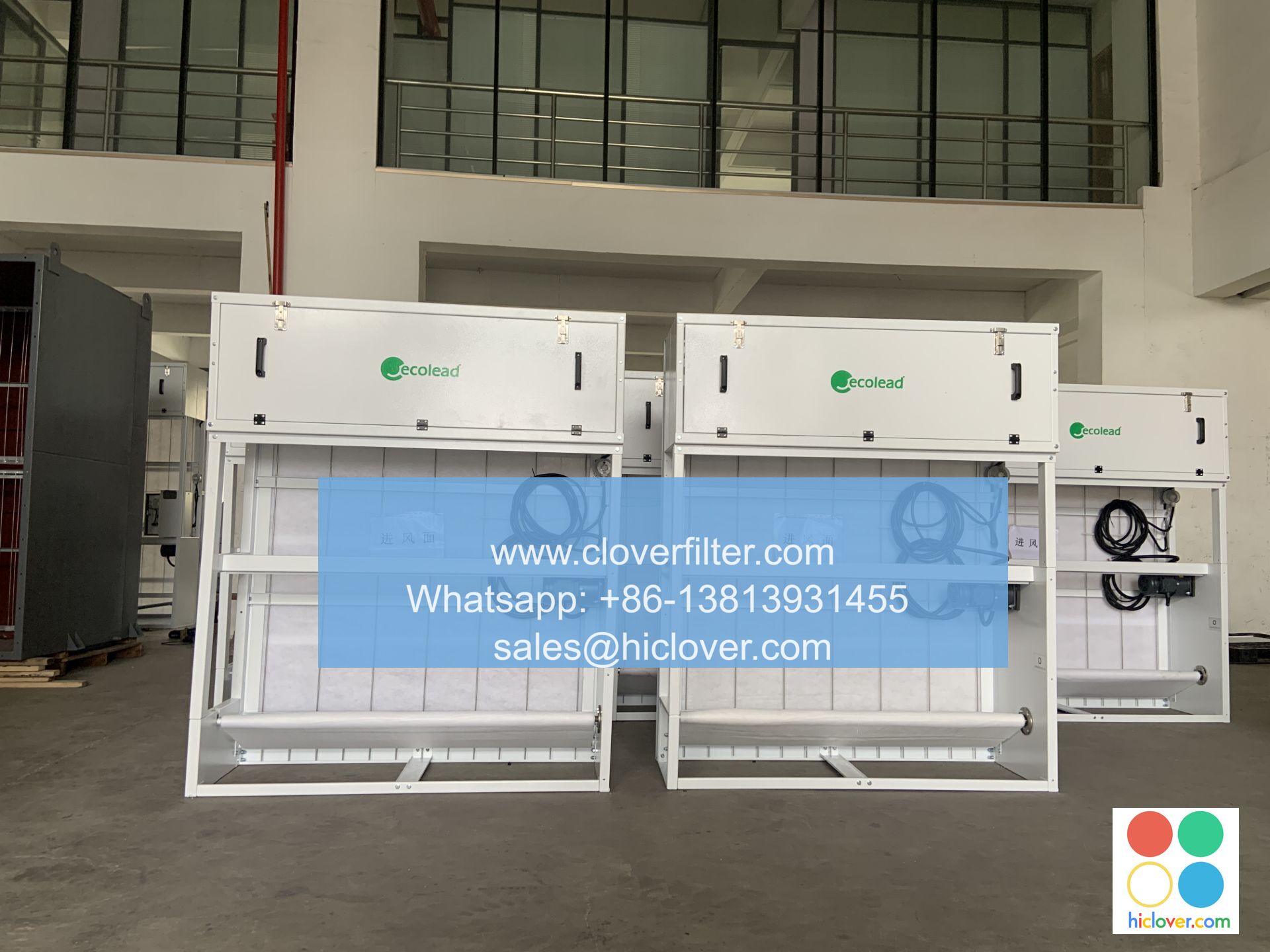
Maintaining cleanliness in food processing is crucial to prevent contamination and ensure the quality and safety of the final product. One often overlooked aspect of food processing cleanliness is the role of air filters in preventing airborne contamination. In this article, we will explore the importance of air filters in food processing, highlighting various application areas and key considerations for air filtration systems, cleanroom technology, and food safety protocols.
Introduction to Airborne Contamination in Food Processing

Airborne contamination in food processing can occur through various means, including microbial contamination, particulate matter, and volatile organic compounds (VOCs). These contaminants can be introduced through air currents, human activity, and equipment operation, highlighting the need for effective air purification systems to prevent contamination and ensure food quality.
The Role of Air Filters in Food Processing
Air filters play a critical role in maintaining cleanliness in food processing by removing airborne contaminants and preventing them from coming into contact with food products. HEPA filters, activated carbon filters, and ultra-low penetration air (ULPA) filters are commonly used in food processing to capture particulate matter, microorganisms, and VOCs. These filters can be integrated into air handling units, ventilation systems, and cleanroom environments to provide comprehensive air filtration solutions.
Application Areas for Air Filters in Food Processing
Air filters are used in various application areas in food processing, including:

- Dairy processing: Air filters are used to prevent microbial contamination and particulate matter from entering dairy products, such as milk, cheese, and yogurt.
- Meat processing: Air filters are used to prevent microbial contamination and VOCs from entering meat products, such as beef, pork, and poultry.
- Bakery and confectionery: Air filters are used to prevent particulate matter and VOCs from entering bakery and confectionery products, such as bread, cakes, and chocolates.
- Pharmaceutical and nutraceutical processing: Air filters are used to prevent microbial contamination and particulate matter from entering pharmaceutical and nutraceutical products, such as vitamins and supplements.
Key Considerations for Air Filtration Systems in Food Processing
When selecting air filtration systems for food processing, several key considerations must be taken into account, including:
- Filter efficiency: The filter must be able to capture particulate matter and microorganisms with high efficiency to prevent contamination.
- Air flow rate: The air flow rate must be sufficient to provide adequate air changes per hour to prevent stagnation and contamination.
- Maintenance and replacement: The filter must be easily maintainable and replaceable to prevent downtime and ensure continuous operation.
- Regulatory compliance: The air filtration system must comply with relevant food safety regulations, such as HACCP and FSMA.
Conclusion
In conclusion, maintaining cleanliness in food processing is crucial to prevent contamination and ensure the quality and safety of the final product. Air filters play a critical role in preventing airborne contamination, and their application areas include dairy processing, meat processing, bakery and confectionery, and pharmaceutical and nutraceutical processing. By selecting the right air filtration system and considering key factors such as filter efficiency, air flow rate, maintenance and replacement, and regulatory compliance, food processors can ensure the quality and safety of their products and maintain a clean and safe processing environment.
