The Benefits of Using Activated Carbon Filters in Air Filter Assemblies
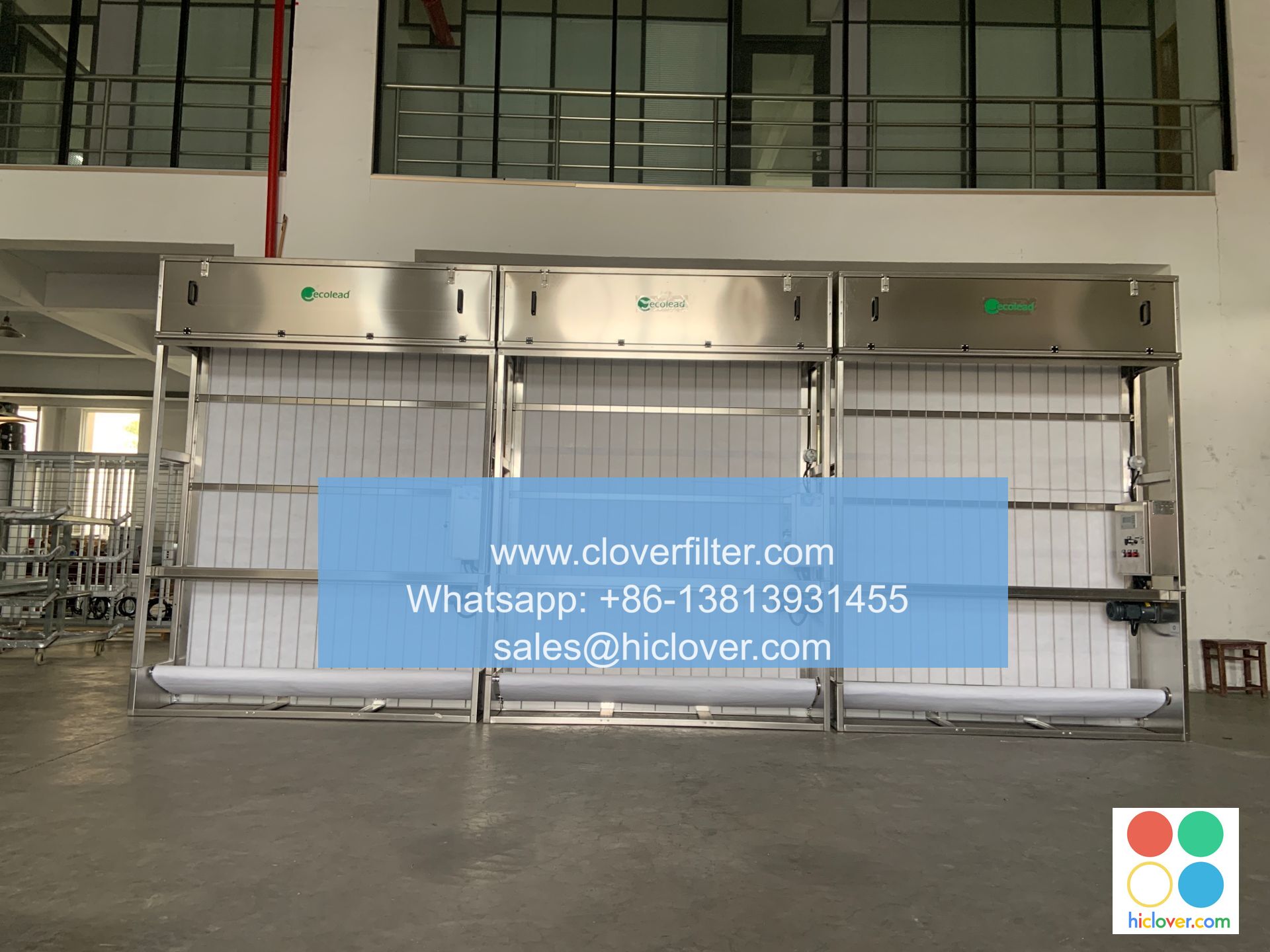
Activated carbon filters are a type of air filter assembly that utilizes activated carbon, a highly porous and adsorbent material, to remove impurities and contaminants from the air. These filters are widely used in various applications, including indoor air quality improvement, odor control, and gas phase filtration. In this article, we will discuss the benefits of using activated carbon filters in air filter assemblies and highlight their various application areas.
Benefits of Activated Carbon Filters
The use of activated carbon filters in air filter assemblies offers several benefits, including:
- High Efficiency: Activated carbon filters are capable of removing up to 99.99% of impurities and contaminants from the air, making them highly efficient.
- Wide Range of Applications: Activated carbon filters can be used in various applications, including residential, commercial, and industrial settings.
- Chemical and Gas Removal: Activated carbon filters are effective in removing chemical vapors, gases, and odors from the air, making them ideal for use in hazardous environments.
- Low Maintenance: Activated carbon filters are relatively low maintenance, as they can be easily replaced and do not require frequent cleaning.
- Indoor Air Quality Improvement: Activated carbon filters can be used to improve indoor air quality by removing pollutants, allergens, and odors from the air.
- Industrial Processes: Activated carbon filters are used in various industrial processes, including gas phase filtration, chemical processing, and pharmaceutical manufacturing.
- Commercial Kitchens: Activated carbon filters are used in commercial kitchens to remove cooking odors and grease particles from the air.
- Residential Homes: Activated carbon filters can be used in residential homes to improve indoor air quality and remove allergens and odors from the air.
- Pleated Activated Carbon Filters: These filters use a pleated design to increase the surface area of the activated carbon, making them more efficient.
- Granular Activated Carbon Filters: These filters use loose granules of activated carbon to remove impurities and contaminants from the air.
- Impregnated Activated Carbon Filters: These filters use activated carbon that has been impregnated with other materials, such as potassium iodide or potassium permanganate, to enhance their performance.
- Imaginary world: Let’s build a fantasy world together. What kind of landscape, creatures, or features would you like to include?
- Mystery solving: I can give you a puzzle or a mystery to solve, and we can work through it together.
- Storytelling: I can start telling a story, and then stop at a cliffhanger. You can then continue the story in your own words, and I’ll respond with the next part of the story.
- Trivia: We can play a game of trivia, where I’ll ask you questions on a particular topic, and you try to answer them correctly.
- Free conversation: We can just chat about anything that’s on your mind. What’s been going on in your life, and what’s interesting to you right now?

Application Areas of Activated Carbon Filters
Activated carbon filters have a wide range of application areas, including:

Types of Activated Carbon Filters
There are several types of activated carbon filters available, including:
Conclusion
In conclusion, activated carbon filters are a highly effective and versatile type of air filter assembly that can be used in a wide range of applications. Their high efficiency, wide range of applications, and low maintenance make them an ideal choice for indoor air quality improvement, odor control, and gas phase filtration. Whether you are looking to improve the air quality in your residential home, commercial kitchen, or industrial facility, activated carbon filters are a great option to consider.
It looks like you’re ready to start a conversation, but you haven’t given me a specific topic or question to work with. That’s okay! I can handle a blank slate.
To get us started, I can offer some conversation prompts if you’d like. Here are a few ideas:
Which of these options sounds appealing to you, or do you have something entirely different in mind?
