Air Filter Systems for Libraries and Archives
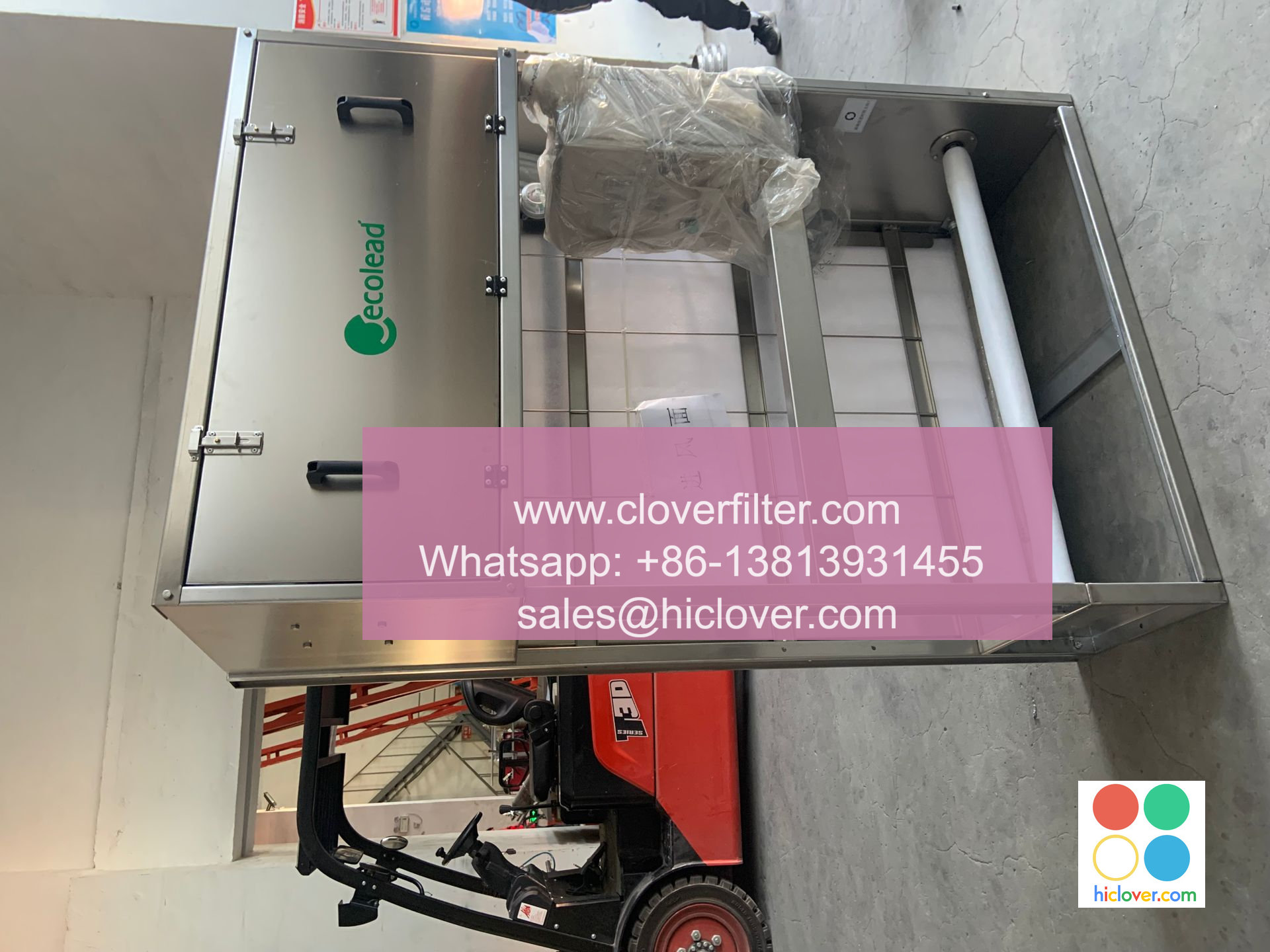
Libraries and archives are treasure troves of knowledge, housing precious books, manuscripts, and artifacts that require a controlled environment to preserve their integrity. One crucial aspect of maintaining this environment is the air quality, which can significantly impact the longevity of these valuable materials. This is where air filter systems come into play, providing a critical layer of protection against dust, pollutants, and other airborne contaminants.
##
Importance of Air Filtration in Libraries and Archives
The importance of air filtration in libraries and archives cannot be overstated. Air pollution control and indoor air quality (IAQ) management are essential for preserving sensitive materials, preventing damage, and ensuring a healthy environment for visitors and staff. High-efficiency particulate air (HEPA) filters and ultra-low penetration air (ULPA) filters are commonly used in these settings to capture particulate matter (PM), volatile organic compounds (VOCs), and other airborne pollutants.
##
Applications of Air Filter Systems
Air filter systems have various applications in libraries and archives, including:
* Document preservation: protecting rare books, manuscripts, and other sensitive materials from dust, dirt, and other airborne contaminants
* Artifact conservation: maintaining a controlled environment for artifacts, such as works of art, historical objects, and cultural relics
* Reading room ventilation: providing a comfortable and healthy environment for visitors and staff
* Storage room climate control: regulating temperature, humidity, and air quality in storage areas to prevent damage and deterioration of materials
##
Types of Air Filter Systems
There are several types of air filter systems used in libraries and archives, including:
* Central air filtration systems: integrated into the building’s HVAC system to provide comprehensive air filtration
* Portable air purifiers: compact, standalone units used to supplement central air filtration systems or provide targeted air cleaning
* Custom air filtration solutions: tailored to meet the specific needs of individual libraries and archives
##
Benefits of Air Filter Systems
The benefits of air filter systems in libraries and archives are numerous, including:
* Extended material lifespan: by reducing exposure to airborne pollutants and contaminants
* Improved indoor air quality: enhancing the health and comfort of visitors and staff
* Reduced maintenance and repair costs: by preventing damage and deterioration of materials and equipment
* Enhanced preservation and conservation efforts: supporting the long-term preservation of sensitive materials and artifacts
##
Conclusion
In conclusion, air filter systems play a vital role in preserving the integrity of libraries and archives. By providing a controlled environment and protecting against airborne pollutants, these systems help ensure the long-term preservation of valuable materials and artifacts. Whether it’s HEPA filtration, ULPA filtration, or custom air filtration solutions, the right air filter system can make all the difference in maintaining a healthy, comfortable, and preservation-friendly environment. It seems like you’re ready to start a conversation or ask a question, but you haven’t provided a specific prompt yet. Could you please provide more details or clarify what you’re looking for? I’m here to help with any questions or topics you’d like to discuss!
