How to Choose the Right Air Filter for Your Home’s Size and Layout
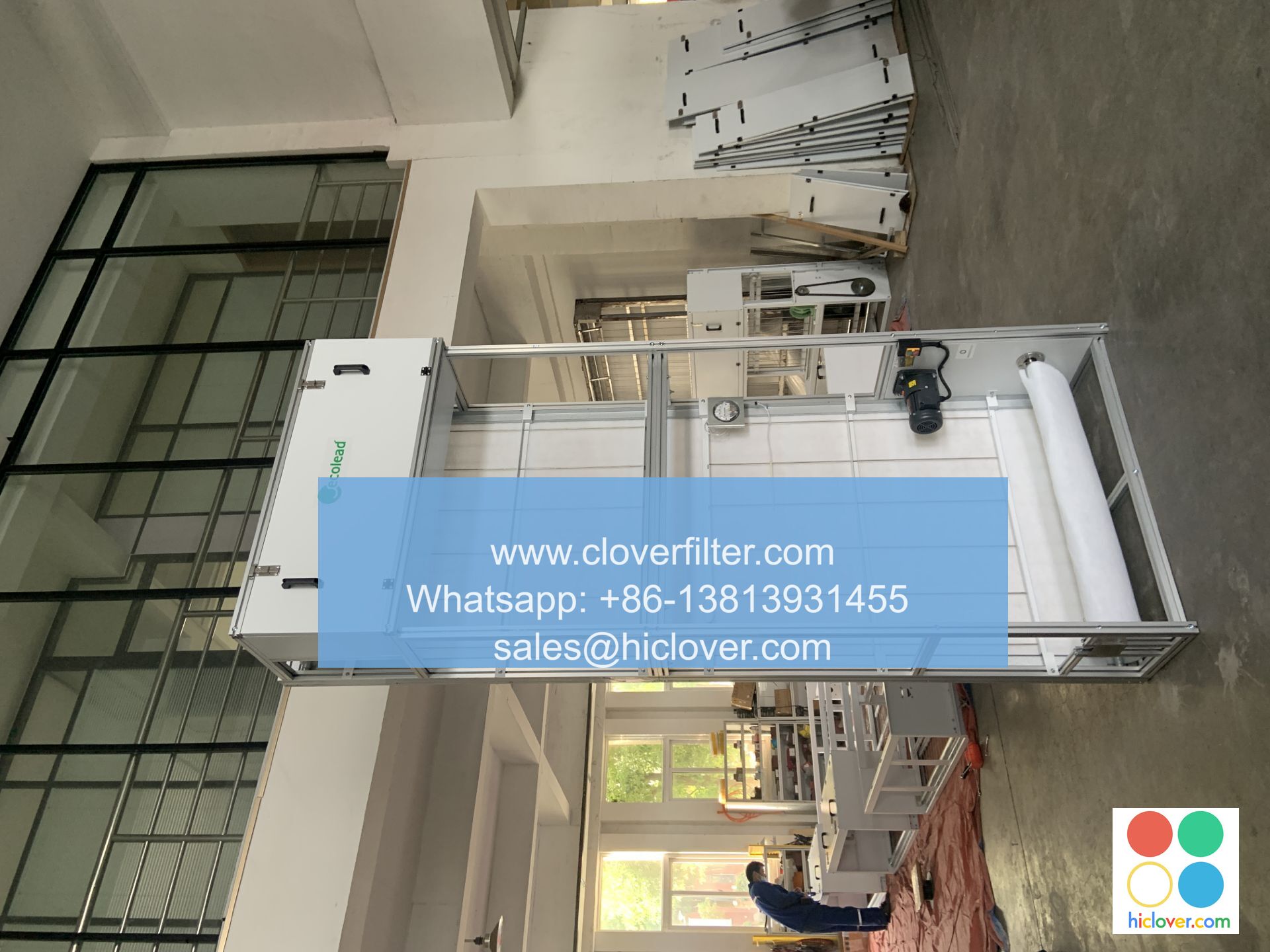
When it comes to maintaining good indoor air quality, choosing the right air filter for your home is crucial. With so many options available, it can be overwhelming to decide which one is best for your space. In this article, we will discuss the importance of selecting an air filter that is tailored to your home’s size and layout, and provide guidance on how to make an informed decision.
Understanding the Importance of Air Filters
Air filters play a vital role in removing pollutants, allergens, and particulate matter from the air, improving the overall indoor air quality. A good air filter can help alleviate respiratory issues, such as asthma and allergies, and even reduce odors and pet dander. However, with so many types of air filters available, it can be challenging to choose the right one for your home.
Factors to Consider When Choosing an Air Filter
When selecting an air filter for your home, there are several factors to consider, including:
* Home size and layout: The size and layout of your home will determine the type and size of air filter you need. Larger homes require more powerful air filters, while smaller homes may require smaller, more compact filters.
* Air quality concerns: If you or a family member suffers from allergies or respiratory issues, you may want to consider an air filter with a high MERV rating (Minimum Efficiency Reporting Value) to capture smaller particles.
* Filter type: There are several types of air filters available, including HEPA filters, activated carbon filters, and electrostatic filters. Each type has its own unique benefits and drawbacks.
* Filter maintenance: Some air filters require regular maintenance, such as cleaning or replacing the filter every few months.
Application Areas for Different Types of Air Filters
Different types of air filters are suited for various application areas, including:
* Whole-house air filtration systems: These systems are designed to filter the air throughout your entire home, and are typically installed in the HVAC system.
* Room air purifiers: These standalone units are designed to filter the air in a single room, and are often used in bedrooms or home offices.
* Portable air filters: These compact units are designed to be moved from room to room, and are often used in small spaces or apartments.

High-Efficiency Air Filters for Larger Homes
For larger homes, high-efficiency air filters are often the best option. These filters have a high MERV rating and are designed to capture smaller particles, including pollen, dust, and pet dander. Some popular options for larger homes include:
* HEPA filters: These filters are capable of capturing 99.97% of particles as small as 0.3 microns.
* Activated carbon filters: These filters are designed to capture odors and gases, and are often used in combination with HEPA filters.
Energy-Efficient Air Filters for Smaller Homes
For smaller homes, energy-efficient air filters are often the best option. These filters are designed to be energy-efficient and cost-effective, while still providing effective air filtration. Some popular options for smaller homes include:
* Electrostatic filters: These filters use an electrostatic charge to capture particles, and are often used in small spaces or apartments.
* Fiberglass filters: These filters are a cost-effective option for smaller homes, and are designed to capture larger particles such as dust and pet hair.
Conclusion
Choosing the right air filter for your home can be a daunting task, but by considering factors such as home size and layout, air quality concerns, and filter type, you can make an informed decision. Whether you have a large home or a small space, there is an air filter out there that can meet your needs and provide effective indoor air quality improvement. Remember to also consider the application area and maintenance requirements of your air filter to ensure you get the most out of your investment. It seems like you didn’t provide a prompt. Could you please give me something to work with? I can generate text, answer questions, or engage in a conversation on a wide range of topics. What’s on your mind?
