The Role of Air Filtration in Meat Processing Cleanrooms
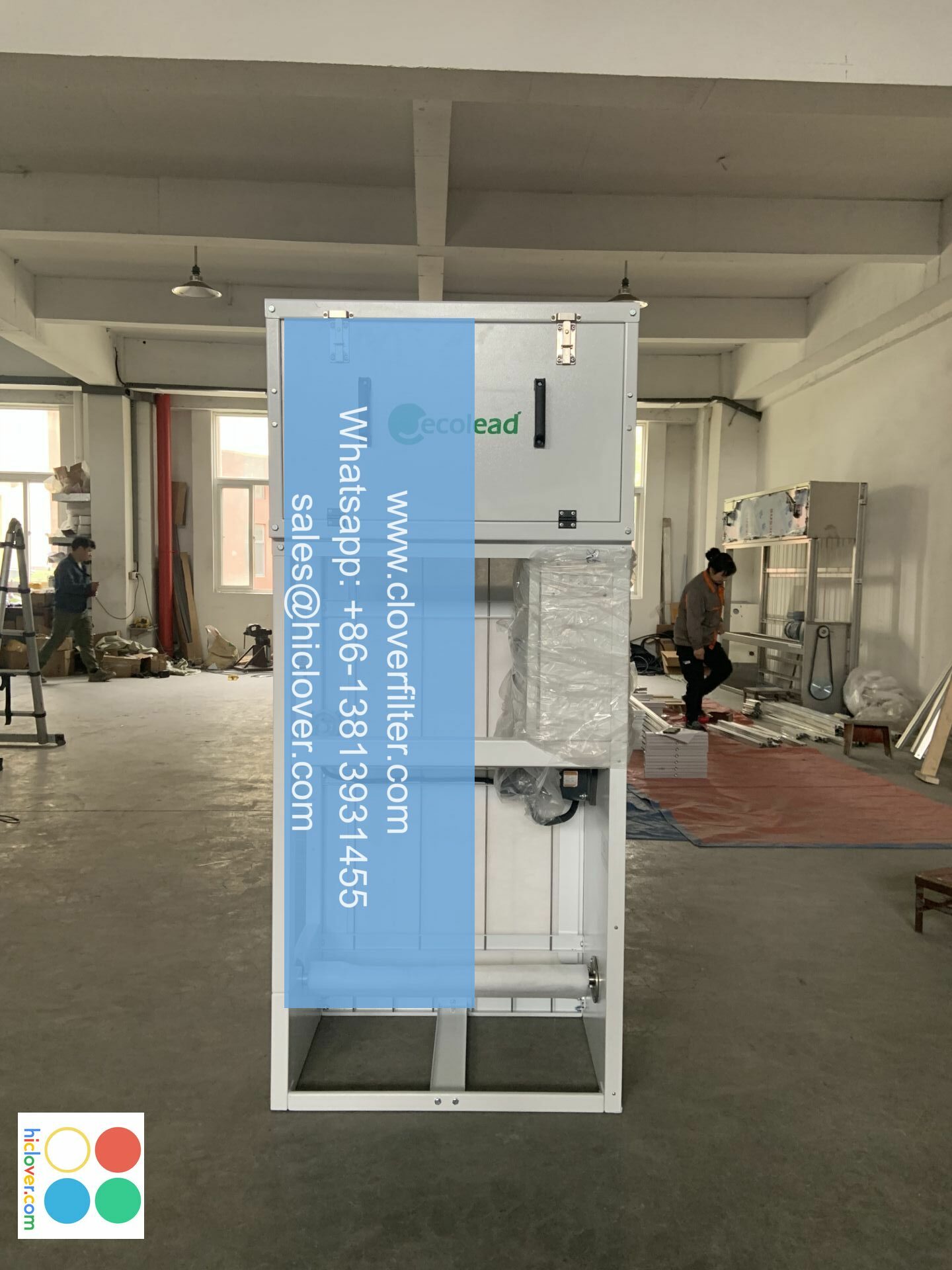
Air filtration plays a critical role in maintaining the cleanliness and hygiene of meat processing cleanrooms. The presence of airborne particles, bacteria, and other microorganisms can contaminate meat products, leading to spoilage, foodborne illnesses, and significant economic losses. In this article, we will discuss the importance of air filtration in meat processing cleanrooms, highlighting various application areas, and emphasizing the need for effective air purification systems.
Meat Processing Cleanroom Requirements
Meat processing cleanrooms require a high level of air cleanliness to prevent contamination. The International Organization for Standardization (ISO) and the United States Department of Agriculture (USDA) have established guidelines for air quality in food processing facilities. These guidelines include HEPA filtration, Ultrapure Air (UPA) systems, and controlled environments to minimize the risk of contamination. Air filtration systems must be designed to capture particulate matter (PM), bacteria, viruses, and other microorganisms that can compromise the quality and safety of meat products.
Application Areas for Air Filtration in Meat Processing Cleanrooms
Air filtration systems are used in various areas of meat processing cleanrooms, including:
* Raw material receiving and storage: Air filtration systems help prevent contamination of raw materials, such as meat, poultry, and seafood, during receiving and storage.
* Meat processing and handling: Air filtration systems are used to prevent contamination during meat processing and handling, including cutting, trimming, and packaging.
* Food packaging and labeling: Air filtration systems help prevent contamination of packaged meat products during labeling and packaging.
* Cooking and thermal processing: Air filtration systems are used to prevent contamination during cooking and thermal processing, including cooking, smoking, and curing.
Types of Air Filtration Systems Used in Meat Processing Cleanrooms
Several types of air filtration systems are used in meat processing cleanrooms, including:
* HEPA filters: High Efficiency Particulate Air (HEPA) filters are designed to capture 99.97% of particles as small as 0.3 microns, including bacteria, viruses, and other microorganisms.
* Activated carbon filters: Activated carbon filters are used to capture odors, gases, and vapors that can compromise the quality and safety of meat products.
* UV air purifiers: Ultraviolet (UV) air purifiers use UV light to kill bacteria, viruses, and other microorganisms that can contaminate meat products.

Benefits of Air Filtration in Meat Processing Cleanrooms
The use of air filtration systems in meat processing cleanrooms offers several benefits, including:
* Reduced risk of contamination: Air filtration systems help prevent contamination of meat products, reducing the risk of foodborne illnesses and economic losses.
* Improved product quality: Air filtration systems help maintain the quality and freshness of meat products, ensuring a longer shelf life and improved customer satisfaction.
* Increased efficiency: Air filtration systems help reduce downtime and increase productivity by minimizing the risk of contamination and product recalls.
Conclusion
In conclusion, air filtration plays a critical role in maintaining the cleanliness and hygiene of meat processing cleanrooms. The use of effective air purification systems, including HEPA filtration, activated carbon filters, and UV air purifiers, helps prevent contamination, improve product quality, and increase efficiency. By highlighting various application areas and emphasizing the need for effective air filtration systems, meat processing facilities can ensure a safe and healthy environment for producing high-quality meat products.
