Overview of Clean Air Systems in Aerospace Factories
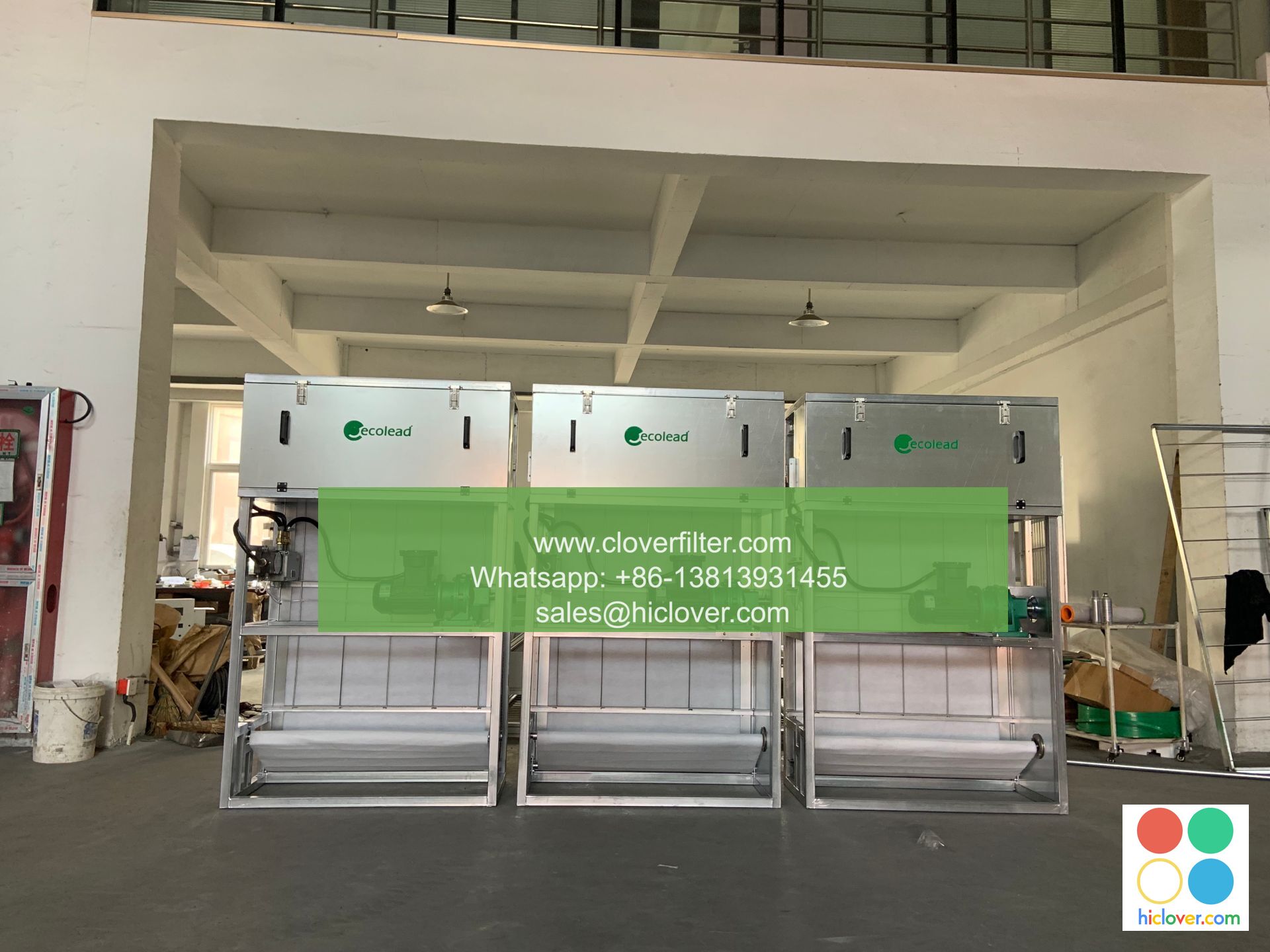
The aerospace industry is a critical sector that requires precise and contaminant-free environments to manufacture and assemble aircraft, spacecraft, and missiles. Clean air systems play a vital role in maintaining the quality and reliability of aerospace products by controlling airborne contaminants and ensuring a safe working environment for employees. In this article, we will delve into the importance of clean air systems in aerospace factories, highlighting various application areas and key technologies used to achieve optimal air quality.
Aerospace Factory Air Quality Requirements
Aerospace factories have stringent air quality requirements due to the nature of the products being manufactured. The presence of airborne contaminants such as dust, pollen, and other particles can compromise the structural integrity and electronic components of aircraft and spacecraft. Furthermore, hazardous chemicals and volatile organic compounds (VOCs) can pose health risks to employees and contaminate sensitive equipment. To mitigate these risks, aerospace factories employ clean air systems that utilize advanced filtration technologies, air purification systems, and ventilation control systems.
Application Areas for Clean Air Systems
Clean air systems are applied in various areas of aerospace factories, including:
* Aircraft assembly lines: where large aircraft components such as wings, fuselage, and engines are assembled and require clean environments to prevent contamination.
* Spacecraft manufacturing: where highly sensitive electronic components and propulsion systems are manufactured and require ultra-clean environments to ensure reliability and performance.
* Missile manufacturing: where highly specialized components such as guidance systems and warheads are manufactured and require clean rooms and controlled environments to prevent contamination.
* Research and development laboratories: where new materials and technologies are developed and tested, requiring clean environments to ensure accuracy and reliability of results.
Key Technologies for Clean Air Systems
Several key technologies are used to achieve optimal air quality in aerospace factories, including:
* HEPA (High Efficiency Particulate Air) filters: which capture 99.97% of particles as small as 0.3 microns, ensuring clean air and preventing contamination.
* ULPA (Ultra-Low Penetration Air) filters: which capture 99.999% of particles as small as 0.12 microns, providing ultra-clean environments for sensitive applications.
* Air purification systems: which use activated carbon, UV light, or other technologies to remove hazardous chemicals, VOCs, and other contaminants from the air.
* Ventilation control systems: which regulate airflow and pressure to prevent cross-contamination and maintain optimal air quality.

Conclusion
In conclusion, clean air systems play a critical role in maintaining the quality and reliability of aerospace products. By employing advanced filtration technologies, air purification systems, and ventilation control systems, aerospace factories can ensure optimal air quality and prevent contamination. As the aerospace industry continues to evolve, the importance of clean air systems will only continue to grow, highlighting the need for innovative solutions and technological advancements to address the complex air quality challenges faced by aerospace factories.
