Why Winnipeg’s Meat Processing Facilities Need Automatic Roll Air Filters
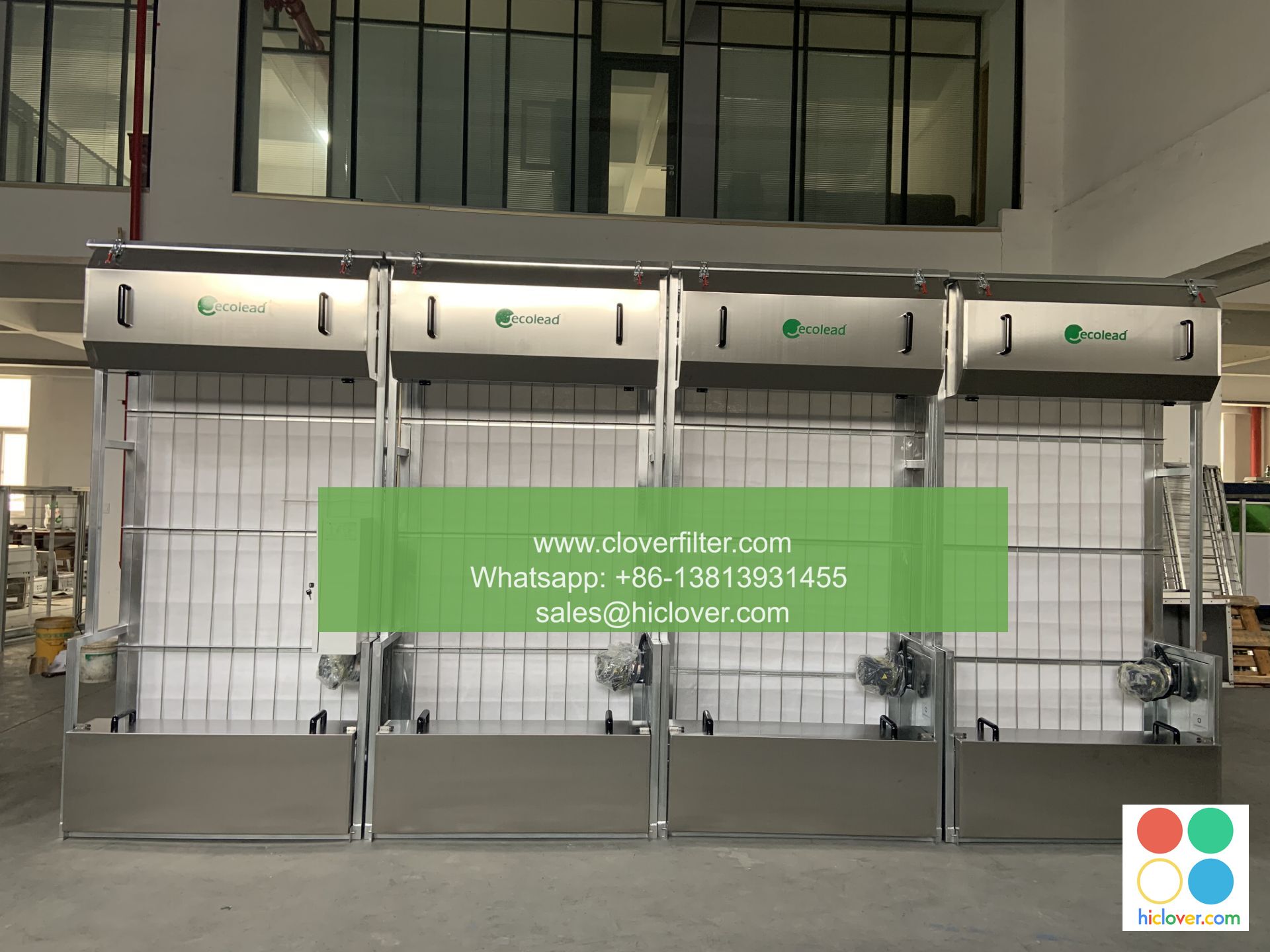
Winnipeg, known as the “Slurpee Capital of the World” and a major hub for the Canadian meat industry, is home to numerous meat processing facilities. These facilities play a vital role in the country’s food production and economy. However, to maintain the highest standards of quality, safety, and efficiency, it is crucial for these facilities to invest in cutting-edge technologies such as automatic roll air filters. In this article, we will explore the importance and benefits of integrating automatic air filtration systems in Winnipeg’s meat processing facilities, focusing on food safety regulations, indoor air quality (IAQ), and energy efficiency.
Ensuring Food Safety and Compliance
Meat processing facilities must adhere to stringent food safety regulations to prevent contamination and ensure the quality of their products. One critical aspect of maintaining these standards is controlling the environment within the facilities, particularly focusing on indoor air quality (IAQ). Airborne contaminants such as dust, bacteria, and other microorganisms can easily compromise the safety of meat products. Automatic roll air filters play a pivotal role in this context by continuously cleaning the air, thereby reducing the risk of contamination. These filters are designed to capture a high percentage of airborne particles, including those as small as bacteria and viruses, thus safeguarding the products and complying with food safety standards.
Improving Indoor Air Quality (IAQ)
The indoor air quality (IAQ) in meat processing facilities is not only crucial for food safety but also for the health and comfort of the employees. Poor IAQ can lead to a range of issues, from respiratory problems to decreased productivity. Automatic roll air filters are equipped with advanced technology that allows for the efficient removal of airborne contaminants, including dust, pollen, and other harmful substances. By maintaining good IAQ, facilities can create a healthier working environment, which is essential for employee well-being and facility hygiene.
Enhancing Energy Efficiency and Reducing Maintenance
Another significant advantage of automatic roll air filters is their contribution to energy efficiency and the reduction of maintenance costs. Traditional air filtration systems often require frequent replacements and manual monitoring, which can be time-consuming and costly. In contrast, automatic roll air filters are designed with energy-saving technologies and can automatically advance a new filter media as the old one becomes saturated, minimizing downtime and the need for manual intervention. This not only reduces energy consumption but also decreases the labor required for maintenance, making the facilities more cost-effective and environmentally friendly.

Conclusion
In conclusion, the integration of automatic roll air filters in Winnipeg’s meat processing facilities is not just a recommendation but a necessity. These advanced air filtration systems are crucial for maintaining food safety standards, ensuring indoor air quality, enhancing energy efficiency, and reducing maintenance costs. As the meat industry continues to evolve, embracing technologies like automatic roll air filters will be key to staying competitive, compliant, and committed to the well-being of both employees and consumers. By investing in these systems, Winnipeg’s meat processing facilities can reaffirm their commitment to quality, safety, and sustainability, further solidifying the city’s position as a leader in the Canadian food industry.
