Understanding Air Filter Certification Labels
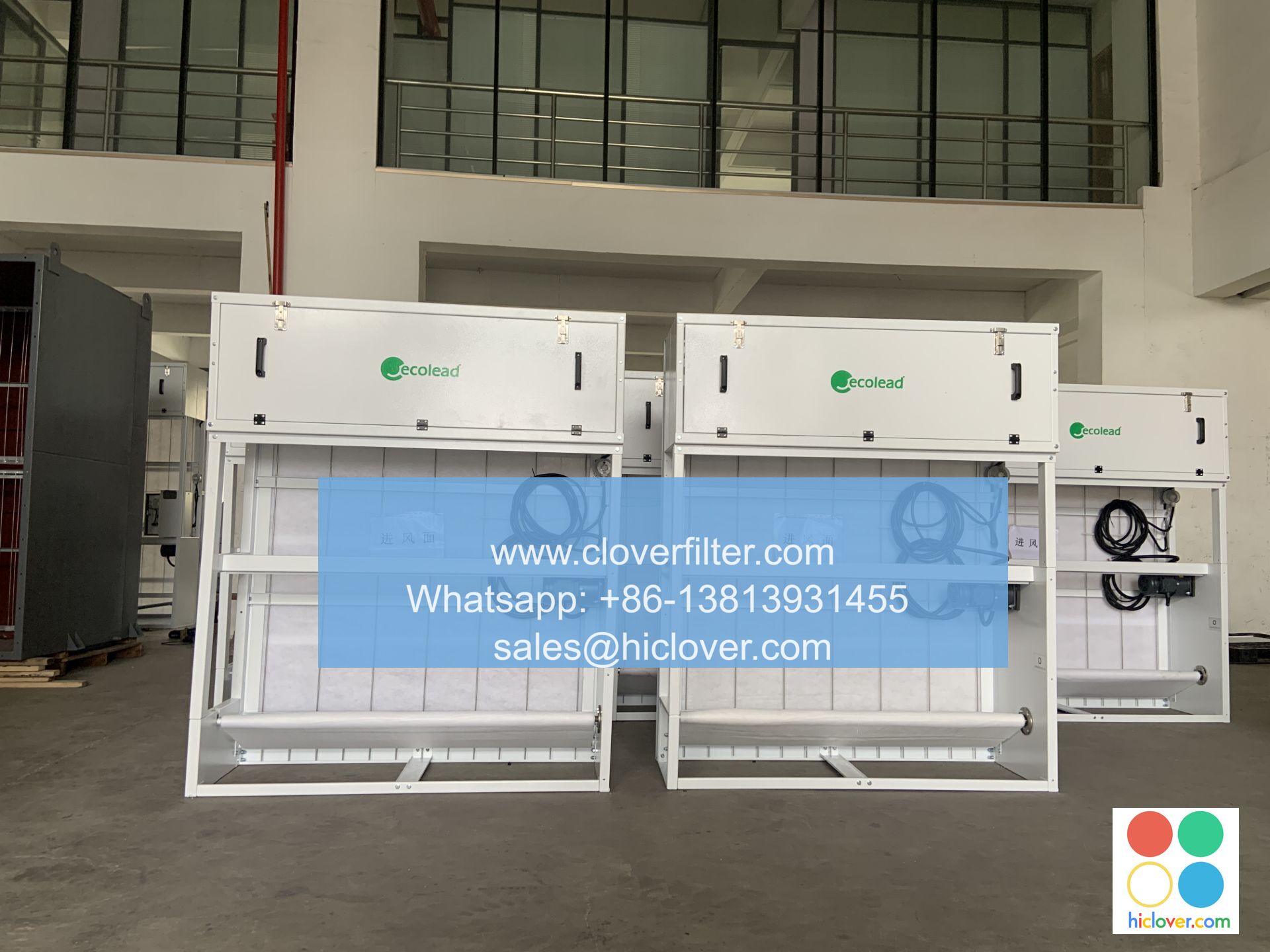
As the world becomes increasingly aware of the importance of indoor air quality and air pollution control, the demand for effective air filtration systems has never been higher. One crucial aspect of selecting the right air filter is understanding the various certification labels that indicate its performance and suitability for different application areas. In this article, we will delve into the world of air filter certification and explore the key labels to look out for.
MERV Ratings: The Industry Standard for Air Filter Performance
The Minimum Efficiency Reporting Value (MERV) rating is the most widely recognized certification label in the air filtration industry. Developed by the American Society of Heating, Refrigerating, and Air-Conditioning Engineers (ASHRAE), MERV ratings range from 1 to 20 and indicate a filter’s ability to capture particles of varying sizes. A higher MERV rating means the filter can capture smaller particles, making it more effective at improving indoor air quality. For example, a MERV 13 filter can capture 90% of particles between 1-3 microns, while a MERV 16 filter can capture 95% of particles between 0.3-1 micron.
HEPA and ULPA Filters: The Gold Standard for Cleanroom and Medical Applications
For cleanroom and medical applications where ultra-high efficiency is required, HEPA (High Efficiency Particulate Air) and ULPA (Ultra-Low Penetration Air) filters are the gold standard. These filters have MERV ratings of 17 or higher and can capture 99.97% of particles as small as 0.3 microns. HEPA and ULPA filters are commonly used in hospital operating rooms, pharmaceutical manufacturing, and microelectronics fabrication to prevent contamination and ensure sterility.
ePM2.5 and ePM10: The New Standard for Residential and Commercial Air Filtration
In recent years, the ePM2.5 and ePM10 certification labels have emerged as a new standard for residential and commercial air filtration systems. These labels indicate a filter’s ability to capture fine particles (PM2.5) and coarse particles (PM10), which are commonly found in urban air pollution. ePM2.5 and ePM10 certified filters are designed to provide effective indoor air pollution control and are ideal for homes, offices, and public buildings.

Other Certification Labels: ISO 16890 and ASHRAE 52.2
In addition to MERV, HEPA, and ePM2.5/10, there are other certification labels that indicate a filter’s performance and suitability for specific application areas. The ISO 16890 standard, for example, provides a more detailed classification of filter efficiency based on particle size. The ASHRAE 52.2 standard, on the other hand, evaluates filter performance based on arrestance and efficiency.
Conclusion: Choosing the Right Air Filter for Your Needs
In conclusion, understanding air filter certification labels is crucial for selecting the right air filtration system for your specific needs. Whether you’re looking for a filter for residential, commercial, or industrial applications, knowing what to look for in a certification label can help you make an informed decision. By considering factors such as particle size, filter efficiency, and application area, you can choose a filter that provides effective indoor air quality control and helps protect the health and wellbeing of occupants. Prompt
