The Role of Air Filter Distribution in Facility Maintenance Operations
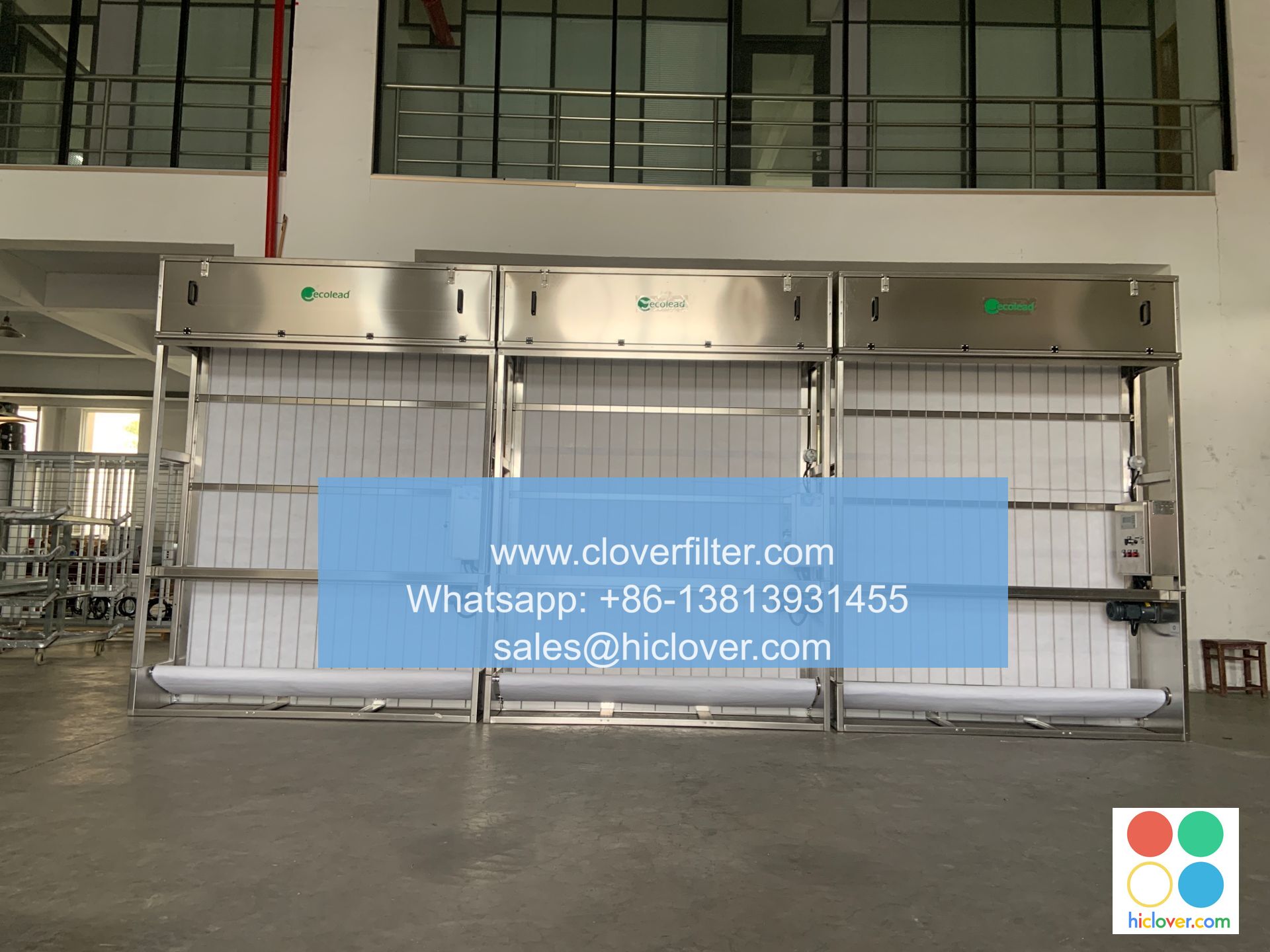
Air filter distribution plays a vital role in facility maintenance operations, as it directly impacts the indoor air quality, energy efficiency, and overall health and safety of occupants. In this article, we will explore the significance of air filter distribution, its various application areas, and the benefits of implementing a well-planned air filter distribution strategy.
Importance of Air Filter Distribution
Air filter distribution is crucial in maintaining a healthy and safe indoor environment. Air filters help to remove airborne contaminants, such as dust, pollen, and bacteria, which can aggravate respiratory issues and other health problems. Moreover, air filters also play a key role in maintaining the energy efficiency of heating, ventilation, and air conditioning (HVAC) systems. By ensuring that air filters are properly distributed and maintained, facilities can reduce energy consumption, lower utility bills, and extend the lifespan of their HVAC equipment.
Application Areas of Air Filter Distribution
Air filter distribution has various application areas, including:
- Commercial Buildings: Office buildings, retail stores, and restaurants require air filter distribution to maintain a healthy and comfortable indoor environment for employees and customers.
- Industrial Facilities: Manufacturing plants, warehouses, and industrial sites need air filter distribution to control airborne contaminants and maintain equipment efficiency.
- Healthcare Facilities: Hospitals, clinics, and nursing homes require air filter distribution to maintain a sterile environment and prevent the spread of airborne diseases.
- Residential Buildings: Apartment buildings, condominiums, and single-family homes need air filter distribution to maintain good indoor air quality and ensure the health and well-being of occupants.
- Improved Indoor Air Quality: Air filter distribution helps to remove airborne contaminants, improving the overall indoor air quality and creating a healthier environment for occupants.
- Energy Efficiency: Proper air filter distribution can help to reduce energy consumption, lower utility bills, and extend the lifespan of HVAC equipment.
- Extended Equipment Lifespan: Regular air filter maintenance and distribution can help to prevent equipment breakdowns and extend the lifespan of HVAC systems.
- Cost Savings: Air filter distribution can help to reduce maintenance costs, lower energy bills, and minimize the need for costly repairs.
- Filter Type and Size: Selecting the right type and size of air filter is crucial to ensure effective filtration and optimal system performance.
- Filter Maintenance and Replacement: Regular filter maintenance and replacement are essential to ensure optimal system performance and prevent equipment breakdowns.
- System Design and Installation: Proper system design and installation are critical to ensure effective air filter distribution and minimize energy consumption.
- Monitoring and Testing: Regular monitoring and testing of air filters and HVAC systems are necessary to ensure optimal system performance and identify potential issues.

Benefits of Air Filter Distribution
The benefits of air filter distribution are numerous and significant. Some of the key benefits include:
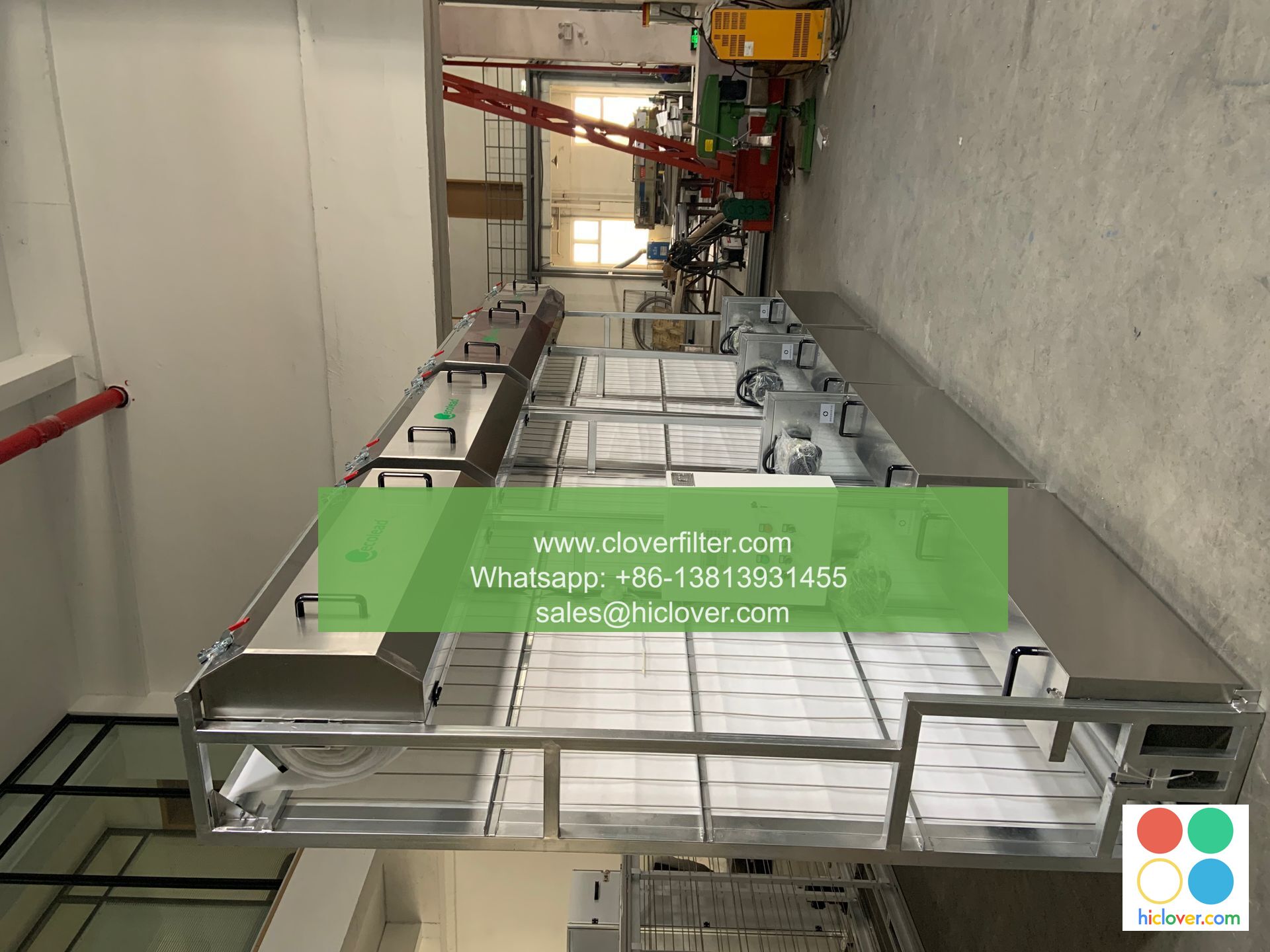
Key Considerations for Air Filter Distribution
When implementing an air filter distribution strategy, facilities should consider the following key factors:
Conclusion
In conclusion, air filter distribution plays a vital role in facility maintenance operations, impacting indoor air quality, energy efficiency, and overall health and safety of occupants. By understanding the importance of air filter distribution, its various application areas, and the benefits of implementing a well-planned air filter distribution strategy, facilities can create a healthier, more efficient, and cost-effective indoor environment. By considering key factors such as filter type and size, filter maintenance and replacement, system design and installation, and monitoring and testing, facilities can ensure optimal air filter distribution and reap the benefits of improved indoor air quality, energy efficiency, and cost savings. Prompt
