Air Filtering in the Petrochemical Industry: Specialized Design Considerations
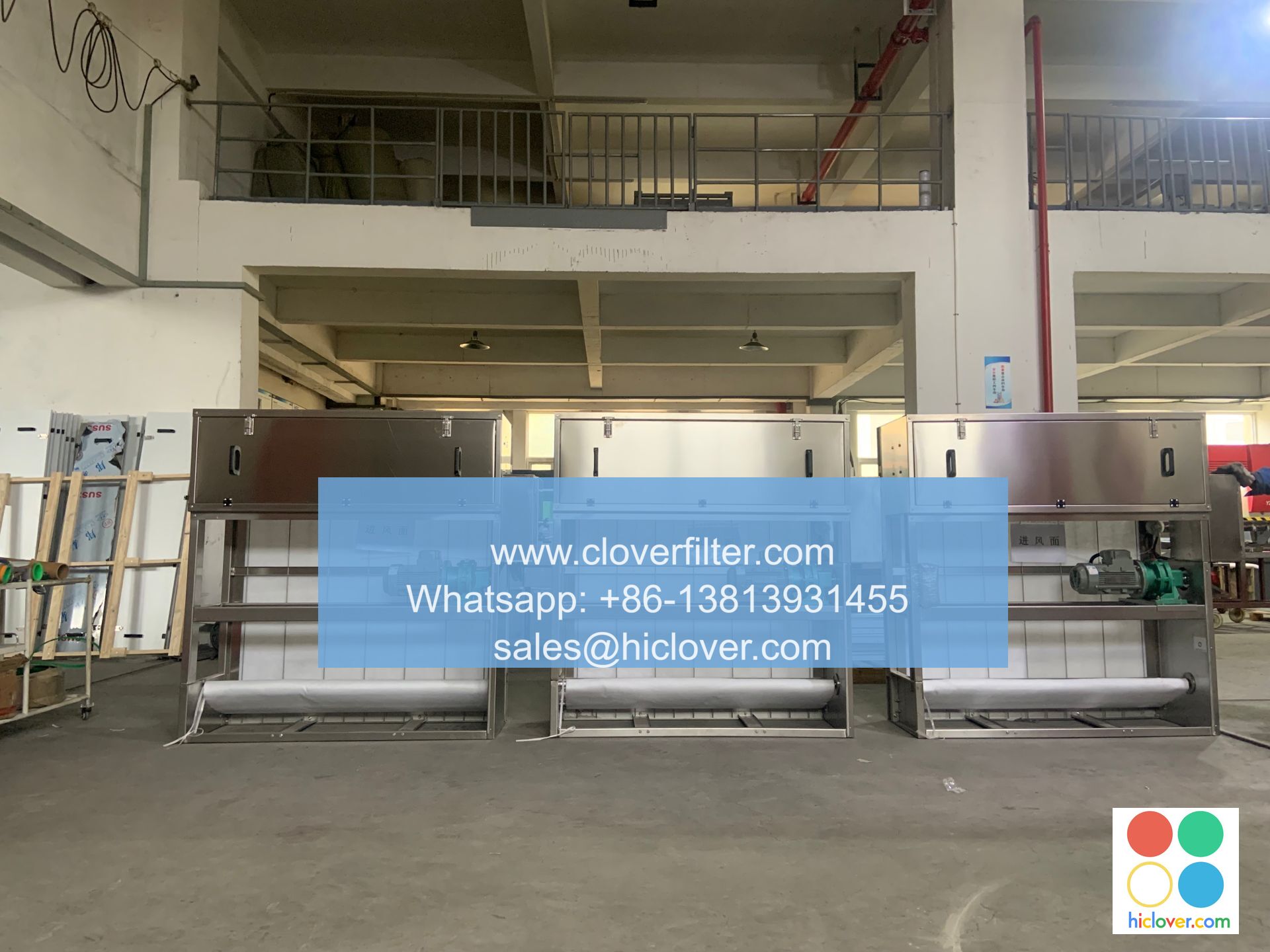
The petrochemical industry, a sector that involves the production and processing of petroleum and natural gas products, presents unique challenges when it comes to air filtering. The air in these environments often contains high concentrations of hazardous gases, vapors, and particulate matter, which can pose serious health risks to workers and damage equipment. In this article, we will discuss the importance of air filtering in the petrochemical industry, highlighting various application areas and key design considerations.
Importance of Air Filtering in Petrochemical Plants
Air filtering is crucial in petrochemical plants to remove airborne contaminants, such as volatile organic compounds (VOCs), hazardous air pollutants (HAPs), and particulate matter (PM), that can cause respiratory problems, cancer, and other health issues. Effective air filtering also helps to prevent equipment corrosion, reduce maintenance costs, and minimize the risk of explosions and fires. Furthermore, air filtering systems can help petrochemical plants comply with environmental regulations and occupational health and safety standards.
Application Areas for Air Filtering in Petrochemical Plants
Air filtering systems are used in various areas of petrochemical plants, including:
* Process ventilation systems: to remove airborne contaminants from process vents, tanks, and equipment
* Workplace ventilation systems: to provide a safe and healthy working environment for employees
* Control rooms: to protect electronic equipment and personnel from airborne contaminants
* Laboratories: to prevent contamination of samples and equipment
* Waste management areas: to mitigate the release of hazardous gases and vapors
Specialized Design Considerations for Air Filtering Systems
Air filtering systems for petrochemical plants require specialized design considerations to ensure effective and safe operation. Some key considerations include:
* High-temperature resistance: air filtering systems must be able to withstand high temperatures, which can exceed 200°C (392°F) in some areas of the plant
* Corrosion resistance: systems must be designed to resist corrosion from acidic or alkaline gases and vapors
* Explosion-proof design: systems must be designed to prevent ignition of flammable gases and vapors
* High-efficiency filtration: systems must be able to capture high concentrations of airborne contaminants, including nanoparticles and ultrafine particles
* Low-maintenance design: systems must be designed for easy maintenance and replacement of filters to minimize downtime and reduce costs

Technologies Used in Air Filtering Systems for Petrochemical Plants
Various technologies are used in air filtering systems for petrochemical plants, including:
* Activated carbon filtration: effective against VOCs, HAPs, and odors
* HEPA filtration: effective against particulate matter, including nanoparticles and ultrafine particles
* Gas-phase filtration: effective against gases and vapors, including ammonia, hydrogen sulfide, and nitrogen dioxide
* UV-C technology: effective against bacteria, viruses, and other microorganisms
Conclusion
Air filtering is a critical component of petrochemical plant operations, and specialized design considerations are necessary to ensure effective and safe operation. By understanding the importance of air filtering, application areas, and key design considerations, plant operators can select the most suitable air filtering systems to protect workers, equipment, and the environment. Additionally, by leveraging various technologies, including activated carbon filtration, HEPA filtration, gas-phase filtration, and UV-C technology, petrochemical plants can maintain a safe and healthy working environment, reduce maintenance costs, and comply with environmental regulations and occupational health and safety standards. It looks like you’re ready to start a conversation, but you haven’t given me a specific prompt to work with. No worries! I can suggest some ideas to get us started. Would you like to:
1. Ask me a question on a particular topic?
2. Discuss a hobby or interest?
3. Play a game or engage in a fun activity?
4. Generate a story or creative writing prompt?
5. Explore a fascinating fact or learn something new?
Let me know, and I’ll do my best to assist you!
