The Importance of Air Filter Systems in Public Schools
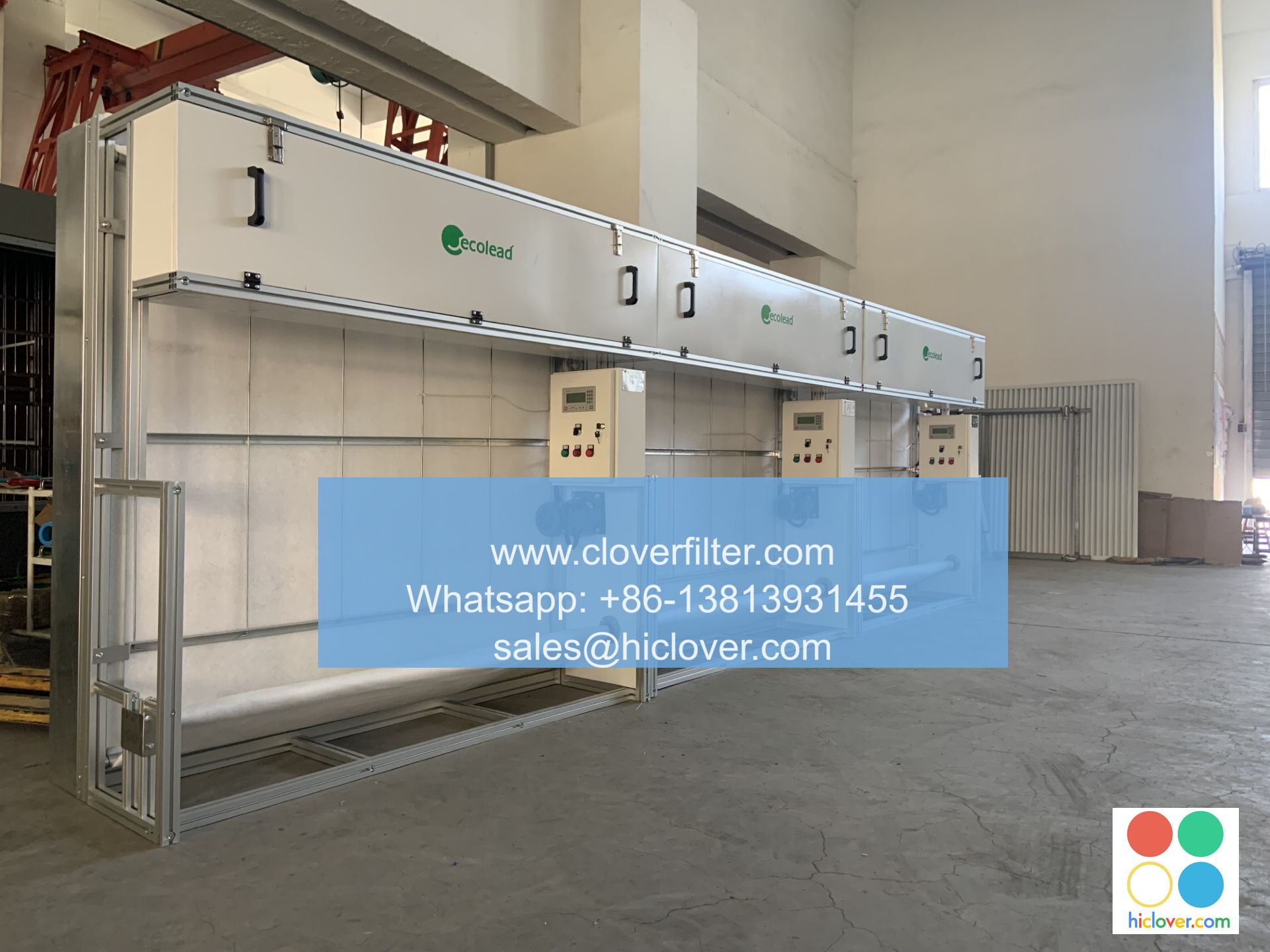
Air quality is a crucial aspect of a healthy and productive learning environment. In public schools, indoor air quality (IAQ) can have a significant impact on the health, comfort, and academic performance of students and staff. This is where air filter systems come into play, playing a vital role in maintaining a clean and breathable air environment. In this article, we will highlight the importance of air filter systems in public schools and explore their various application areas.
Why Air Filter Systems Matter
Public schools can be breeding grounds for airborne pollutants such as dust, pollen, mold, and bacteria. These pollutants can exacerbate respiratory issues like asthma and allergies, causing discomfort, absenteeism, and decreased productivity. A well-designed air filtration system can help remove these pollutants, ensuring a healthier and more comfortable learning environment. By reducing indoor air pollution, air filter systems can also help prevent the spread of airborne diseases like the flu and common colds.
Application Areas of Air Filter Systems
Air filter systems have various application areas in public schools, including:
* Classrooms: Air filter systems can be installed in classrooms to improve indoor air quality and reduce distractions caused by poor air quality.
* Cafeterias: Air filter systems can help remove cooking fumes and odors from cafeterias, creating a more comfortable dining environment.
* Gymnasiums: Air filter systems can reduce moisture and humidity in gymnasiums, preventing the growth of mold and mildew.
* Administrative Offices: Air filter systems can improve indoor air quality in administrative offices, boosting productivity and employee satisfaction.
Benefits of Air Filter Systems
The benefits of air filter systems in public schools are numerous, including:
* Improved Indoor Air Quality: Air filter systems can remove up to 99.97% of airborne pollutants, creating a healthier learning environment.
* Reduced Absenteeism: By reducing airborne illnesses, air filter systems can help decrease absenteeism and improve student attendance.
* Increased Productivity: A comfortable and healthy learning environment can boost student focus and productivity, leading to better academic performance.
* Cost Savings: Air filter systems can help reduce energy consumption and maintenance costs by removing pollutants and preventing damage to HVAC systems.

Conclusion
In conclusion, air filter systems are a crucial component of a healthy and productive learning environment in public schools. By removing airborne pollutants and improving indoor air quality, air filter systems can help reduce absenteeism, increase productivity, and boost academic performance. As we continue to emphasize the importance of indoor air quality and breathable air environments, it is essential to invest in effective air filtration systems that can meet the unique needs of public schools. By doing so, we can create a healthier, more comfortable, and more productive learning environment for students and staff alike. Prompt
